Category: counselling

  • What Is Grief Counselling? Benefits, Techniques and When to Seek Help

    What Is Grief Counselling? Benefits, Techniques and When to Seek Help

    Grief is a universal experience, yet navigating its emotional, physical, and mental toll can feel overwhelming. In Australia, the need for professional support is growing—1 in 5 Australians (around 4.3 million people) experience a mental health disorder each year, with grief and loss being significant contributing factors to emotional distress. According to recent reports, demand for grief counselling in Australia has surged as more individuals seek structured support to cope with bereavement, relationship breakdowns, and other life-altering losses.

    Grief counselling provides a safe space to process emotions, develop coping strategies, and rebuild life after loss. Whether you are struggling with the death of a loved one, anticipatory grief, or complicated grief, understanding what grief counselling involves and when to seek help can make a profound difference in your healing journey.

    As a compassionate and experienced counsellor, I understand the pain and complexity of loss. Grief can be a profoundly challenging experience, affecting individuals in different ways. I provide personalised grief & loss counselling in Sydney to help you navigate this difficult journey

    My approach is designed to support you in processing your emotions and finding a path towards healing. Through grief counselling, you can gain a deeper understanding of your feelings and develop coping strategies to deal with the impact of loss.

    Key Takeaways

    • Grief counselling is a type of therapy that helps individuals work through their emotions after a loss.
    • It provides a supportive environment to process feelings and develop coping strategies.
    • Personalised counselling can help you navigate the complexities of grief.
    • Seeking help is an important step towards healing and recovery.
    • Grief counselling can be beneficial for individuals dealing with various types of loss.

    Understanding Grief and Its Impact

    Understanding grief is essential in today’s world, where loss can take many forms such as the death of a loved one, the end of a relationship, or major life changes. Grief is a natural response to loss, but its effects can be profound and far-reaching. It often influences emotional well-being, physical health, and psychological stability. Recognizing these impacts is the first step toward finding healthy ways to cope and begin the healing process.

    The Nature of Grief in Today’s World

    Grief can be triggered by various life events, including the death of a loved one, the end of a relationship, or significant life changes. In today’s society, the way we experience and process grief can be influenced by our cultural background, personal beliefs, and support systems.

    Common Grief Responses

    People respond to grief in different ways. Common reactions include feelings of sadness, anger, guilt, and anxiety. Some individuals may experience physical symptoms such as fatigue, changes in appetite, or sleep disturbances. Understanding these responses can help in providing appropriate support.

    Cultural Perspectives on Grief in Australia

    Australia is a multicultural society, and grief can be expressed differently across various cultures. For instance, some cultures may have specific mourning rituals, while others may have different attitudes towards death and bereavement. Recognizing these cultural differences is essential in delivering effective grief counselling services.

    Cultural Group Common Grief Practices Grief Counselling Considerations
    Indigenous Australian Traditional mourning rituals, connection to land and community Cultural sensitivity, understanding of community dynamics
    Greek Public displays of grief, family-oriented mourning Respect for family traditions, acknowledgment of emotional expression
    Chinese Ancestor worship, rituals to honor the deceased Understanding of cultural rituals, respect for traditional practices

    By acknowledging the diverse ways grief is experienced and expressed, grief counsellors can provide more effective support tailored to the individual’s cultural background.

    The Fundamentals of Grief Counselling

    Grief counselling is a specialised form of therapy focused on helping individuals cope with the emotional challenges that come with loss. Its primary goal is to guide people through the grieving process by offering a safe, supportive environment where they can express their feelings and begin to heal. Through tailored strategies and compassionate support, grief counselling equips individuals with practical tools to manage their emotions, rebuild resilience, and find meaning after loss.

    Definition and Purpose

    Grief counselling is a therapeutic approach designed to help individuals cope with the challenges of loss. Its primary goal is to provide a safe, supportive environment where people can openly express their emotions and process their grief in a healthy way. By working with a trained counsellor, individuals gain a deeper understanding of their grief, learn effective coping strategies, and develop the resilience needed to move forward while honoring their loss.

    How Grief Counselling Differs from Other Therapies

    Unlike other forms of therapy, grief counselling is specifically tailored to address the unique challenges of grieving. It acknowledges the individual’s loss and validates their emotional experience.

    For instance, a study comparing different therapeutic approaches found that grief counselling was particularly effective in helping individuals manage their grief. The table below highlights some key differences:

    Therapy Type Focus Approach
    Grief Counselling Loss and Grief Supportive, Loss-focused
    Cognitive Behavioural Therapy Cognitive Distortions Cognitive Restructuring
    Psychodynamic Therapy Unconscious Thoughts Exploratory, Insight-oriented

    The Grief Counselling Process

    My grief counselling process begins with an initial assessment, where I take the time to understand your unique experience and identify your specific needs. From there, I create a personalised plan to provide the right level of support and guidance throughout your healing journey.

    If you are considering grief counselling, you can reach me at 0429 220 646 or book a session online. My goal is to offer the tools, strategies, and compassionate support you need to navigate your grief and move forward with confidence..

    Signs You May Need Professional Grief Support

    Grief is a deeply personal and often isolating experience, making it difficult to recognize when professional support is needed. While it’s natural to feel overwhelmed following a loss, there are times when grief can become complicated, prolonged, or interfere with daily life. If feelings of sadness, anger, or numbness persist for an extended period, if you’re struggling to perform basic tasks, or if your emotions feel unmanageable, it may be time to consider seeking help. Professional grief support can provide the tools and guidance needed to navigate these challenging emotions and help you heal in a healthy, structured way.

    Recognising Complicated Grief

    Complicated grief is a type of grief that persists and intensifies over time, making it difficult for individuals to function normally. Signs of complicated grief include intense emotional pain, difficulty accepting the loss, and a significant impact on daily life. If you find that your grief is interfering with your ability to work, maintain relationships, or enjoy activities you once loved, it may be time to seek professional help.

    When Normal Grief Becomes Overwhelming

    Normal grief can become overwhelming when it starts to affect your mental and physical health. This can manifest as changes in appetite, sleep disturbances, or feelings of hopelessness. If you’re experiencing any of these symptoms, it’s essential to consider seeking support.

    Self-Assessment Questions

    To determine if you need professional grief support, ask yourself:

    • Are you experiencing intense emotional pain that persists over time?
    • Is your daily life significantly impacted by your grief?
    • Do you feel overwhelmed and unsure of how to cope?

    If you answered “yes” to any of these questions, it could be the right time to seek professional grief counselling. You can easily take the first step by booking an appointment online or contacting me directly. I’m here to provide the guidance and support you need to navigate your grief and begin your healing journey.

    Signs You May Need Professional Grief Support Description
    Complicated Grief Grief that persists and intensifies over time, affecting daily life.
    Overwhelming Grief Normal grief that becomes too much to handle, affecting mental and physical health.
    Impact on Daily Life Grief interferes with work, relationships, and daily activities.

    The Benefits of Grief Counselling

    Grief counselling is essential for helping individuals manage the profound emotional impact of loss. It offers a safe, compassionate space to express and understand complex emotions such as sadness, anger, and confusion. Through grief counselling, individuals can process the stages of grief at their own pace, guided by a professional who provides support without judgment. This process not only helps people recognize and navigate their emotions but also equips them with practical coping strategies to manage daily challenges. Ultimately, grief counselling empowers individuals to find ways to honor their loved ones and gradually move forward with resilience, emotional strength, and a deeper understanding of their grief.

    Emotional Support and Validation

    One of the primary benefits of grief counselling is the emotional support and validation it offers. A grief counsellor provides a non-judgmental space for individuals to express their feelings, helping them feel understood and validated. This support is crucial in the healing process, as it allows individuals to confront their emotions and begin to heal.

    Developing Healthy Coping Mechanisms

    Grief counselling also helps individuals develop healthy coping mechanisms. A counsellor can guide clients in discovering new ways to manage their grief, such as through mindfulness, journaling, or creative expression. These techniques can be invaluable in navigating the complex emotions associated with loss.

    Creating a New Normal

    Another significant benefit of grief counselling is the support it provides in creating a new normal after a loss. A counsellor can help individuals find ways to integrate their loss into their life, enabling them to move forward while still honouring their loved one.

    Preventing Long-term Mental Health Issues

    Grief counselling can also play a critical role in preventing long-term mental health issues. By addressing grief early on, individuals can reduce the risk of developing complicated grief or other mental health concerns. For instance, a study found that timely intervention through grief counselling can significantly reduce the likelihood of long-term psychological distress.

    Benefits of Grief Counselling Description
    Emotional Support Provides a non-judgmental space to express feelings
    Healthy Coping Mechanisms Guides clients in discovering new ways to manage grief
    Creating a New Normal Helps integrate loss into life, enabling movement forward
    Preventing Mental Health Issues Reduces the risk of complicated grief and other mental health concerns

    If you’re struggling to cope with loss, consider reaching out to a professional grief counsellor. Services like those offered by Alex Rodriguez Counselling & Life Coaching, located at Suite 207A, 30 Campbell St Blacktown NSW 2148, can provide the support and guidance needed during this challenging time.

    “Grief is the price we pay for love.”

    Queen Elizabeth II

    Effective Grief Counselling Techniques and Approaches

    Grief counselling uses a variety of therapeutic techniques to support individuals throughout their healing journey. In my practice, I focus on tailoring each approach to meet the unique needs of the person I’m working with, because no two experiences of grief are the same.

    One highly effective method I often use is Narrative Therapy. This approach empowers individuals to re-author their personal stories, helping them find new meaning in their loss. By reshaping their narrative, clients can begin to view grief as a part of their life story rather than an overwhelming force, creating space for hope and resilience.

    Narrative Therapy

    Narrative therapy encourages clients to share their stories, exploring the impact of their loss on their identity and life. This process can empower individuals to reframe their grief, fostering resilience and hope.

    Cognitive Behavioural Therapy for Grief

    Cognitive Behavioural Therapy (CBT) is another valuable approach in grief counselling. CBT helps individuals identify and challenge negative thought patterns that may be hindering their ability to cope with their loss. By altering these patterns, clients can develop healthier coping mechanisms.

    Mindfulness and Grief

    Mindfulness practices can also be beneficial in managing grief. By focusing on the present moment, individuals can reduce feelings of overwhelm and anxiety associated with their loss. Mindfulness techniques can be integrated into daily routines, providing a sense of calm and stability.

    Expressive Arts Therapy

    Expressive Arts Therapy offers a creative outlet for processing grief. Through various art forms, individuals can express emotions that may be difficult to verbalise, facilitating a deeper exploration of their grief.

    Therapeutic Approach Key Benefits
    Narrative Therapy Re-authoring experiences, finding new meaning
    Cognitive Behavioural Therapy Challenging negative thought patterns, developing coping mechanisms
    Mindfulness Reducing overwhelm, promoting present-moment awareness
    Expressive Arts Therapy Creative expression of emotions, deeper exploration of grief

    These therapeutic approaches highlight the diversity and effectiveness of grief counselling techniques. By incorporating such methods, individuals can navigate their grief in a supportive and guided environment.

    Types of Grief Counselling Services Available

    The journey through grief can be supported in various ways, with a range of grief counselling services designed to meet different needs. Grief counselling is not a one-size-fits-all approach; it is personalized to suit the unique circumstances of individuals, families, and couples. For individuals, one-on-one counselling offers a safe space to explore personal emotions and develop coping strategies. Couples may benefit from joint therapy, which addresses shared loss while supporting both partners through their grief. Family counselling helps loved ones navigate grief together, fostering understanding and communication during a challenging time. Additionally, support groups offer a communal environment where individuals can share experiences and find solidarity with others going through similar losses. Each service is tailored to provide the right level of support for healing, allowing clients to find the approach that best fits their needs.

    Individual Grief Counselling

    Individual grief counselling provides one-on-one support, allowing individuals to explore their feelings and experiences in a safe and confidential environment. This personalized approach helps individuals process their grief at their own pace.

    Family Grief Counselling

    Family grief counselling involves supporting the family unit through the grieving process. It helps family members understand each other’s perspectives and cope with their loss together, strengthening family bonds during a challenging time.

    Couples Grief Counselling

    Couples grief counselling is designed for partners who are grieving together. It provides a supportive environment where couples can explore their feelings, maintain their relationship, and navigate their grief as a team.
    types of grief counselling services

    Anticipatory Grief Counselling

    Anticipatory grief counselling supports individuals and families facing a terminal illness or impending loss. It helps prepare them for the loss, manage their emotions, and develop coping strategies before the loss occurs.

    Complicated Grief Therapy

    Complicated grief therapy is a specialized form of counselling for individuals experiencing intense or prolonged grief that interferes with their daily functioning. It involves specific therapeutic techniques to help individuals work through their complicated grief.

    Type of Grief Counselling Description Benefit
    Individual One-on-one support Personalized grief processing
    Family Supports the family unit Strengthens family bonds
    Couples For partners grieving together Maintains relationship
    Anticipatory Prepares for impending loss Develops coping strategies
    Complicated Grief Therapy For intense or prolonged grief Helps work through complicated grief

    By understanding the different types of grief counselling services available, individuals can choose the most appropriate support for their needs, facilitating a more effective healing process.

    How to Prepare for Your First Grief Counselling Session

    Preparing for your first grief counselling session, whether online or in-person, can help you feel more comfortable and confident. As you take this significant step, it’s important to know what to expect and how to make the most of your therapy. During your first session, you’ll likely discuss your grief journey, your current emotional state, and your goals for therapy. It’s helpful to reflect on your feelings, memories of your loss, and any challenges you’ve faced, as this will allow you to express yourself more clearly.

    To ensure a smooth start, consider booking your session ahead of time via Alex Rodriguez Counselling & Life Coaching. If you have any questions or need assistance, don’t hesitate to contact me. If you’re visiting in person, you can find my office easily using this Google Maps link.

    What to Bring and Expect

    When attending your first grief counselling session, you may wonder what to bring. Typically, you’ll need to bring:

    • Your identification and any relevant medical or mental health history
    • A list of questions or concerns you’d like to address
    • A notebook and pen to take notes

    During the session, you can expect the counsellor to:

    • Introduce themselves and explain the counselling process
    • Ask questions to understand your situation and needs
    • Work with you to establish a comfortable and supportive environment

    Common First Session Questions

    It’s natural to have questions during your first session. Some common questions include:

    • What can I expect from our sessions?
    • How will we work together to address my grief?
    • What’s the typical duration of grief counselling?

    Setting Realistic Goals for Therapy

    Setting achievable goals is crucial for a successful therapy experience. Your counsellor will work with you to identify and prioritize your goals, which may include:

    • Developing healthy coping mechanisms
    • Improving emotional regulation
    • Enhancing overall well-being

    Building a Therapeutic Relationship

    A strong therapeutic relationship is vital for effective professional grief counselling. Your counsellor will work to establish a safe, supportive, and non-judgmental space for you to explore your feelings and concerns.

    Session Aspect First Session Subsequent Sessions
    Primary Focus Introduction, establishing rapport, and understanding your needs Exploring specific issues, developing coping strategies, and working towards your goals
    Counsellor’s Role Introducing themselves, explaining the counselling process, and assessing your needs Guiding you through specific exercises, providing support, and monitoring progress
    Your Role Sharing your story, expressing your concerns, and asking questions Engaging in therapeutic activities, practicing new skills, and reflecting on your progress

    Self-Care Strategies to Complement Professional Support

    As you navigate the challenging journey of grief, it’s important to support your healing process with effective self-care strategies alongside professional guidance. While grief counselling offers a strong foundation for emotional recovery, self-care practices can play a crucial role in enhancing your emotional well-being and building resilience. Incorporating small, intentional acts of self-care, such as regular physical activity, mindfulness exercises, or creative outlets, can help you manage the emotional weight of grief and promote healing. By combining professional support with self-care, you create a holistic approach to restoring balance and moving forward with strength and clarity.

    Daily Practices for Emotional Wellbeing

    Establishing daily practices can help you maintain emotional balance during the grieving process. Mindfulness techniques, such as meditation and deep breathing, can reduce stress and anxiety. Additionally, engaging in activities that bring you joy, like reading or spending time in nature, can provide moments of peace.

    • Practice gratitude by journaling things you’re thankful for each day
    • Engage in creative activities that express your emotions
    • Take regular breaks to relax and recharge

    Building a Support Network

    Surrounding yourself with a supportive network is crucial during this challenging time. Reach out to friends, family, or support groups who can offer understanding and connection. Sharing your experiences with others who have gone through similar losses can be particularly helpful.

    Grief Journaling Techniques

    Journaling can be a powerful tool for processing your emotions. By writing down your thoughts and feelings, you can gain clarity and perspective on your grief journey. Consider using prompts or free-writing to explore your emotions.

    Physical Health During the Grieving Process

    Maintaining your physical health is vital when you’re grieving. Regular exercise, a balanced diet, and adequate sleep can help improve your overall wellbeing. Physical activity, in particular, can help reduce symptoms of anxiety and depression.
    self care strategies

    By incorporating these self-care strategies into your daily life, you can enhance your emotional resilience and better navigate the grieving process. Remember, self-care is not a replacement for professional support, but rather a complementary approach to healing.

    How to Find the Right Grief Counsellor in Sydney

    The journey to healing begins with finding the right grief counsellor in Sydney, and I’m here to guide you through that process. With many professionals offering grief counselling services, it’s important to make an informed decision. When searching for a grief counsellor, several key factors should be considered, such as their qualifications, experience, approach to therapy, and whether you feel comfortable and understood during your initial interactions.

    To ensure you receive the best care, it’s essential to choose someone who specializes in grief and has a compassionate, personalized approach to healing. I invite you to book a session online to begin your journey with a counsellor who is dedicated to helping you navigate your grief. If you have any questions or would like more information, feel free to contact me. Let’s work together to support your healing process.

    Qualifications to Look For

    Ensure that your chosen counsellor has the necessary qualifications and experience in handling grief-related cases. Look for:

    Questions to Ask Potential Counsellors

    Don’t hesitate to ask questions during your initial consultation. Some important ones include:

    • What experience do you have with grief counselling?
    • What therapeutic approaches do you use?
    • How will we track my progress?

    Medicare and Insurance Considerations

    Understanding the financial aspects of grief counselling is essential. In Australia, Medicare offers rebates for mental health services under the Better Access Initiative, which covers up to 10 individual and 10 group sessions per year with eligible professionals, provided you have a Mental Health Treatment Plan from your GP. However, counsellors may not be covered by Medicare unless they meet specific qualifications.

    Private health insurance can also help cover grief counselling, though coverage varies depending on the insurer and the professional’s qualifications. It’s important to check with your insurer about the specifics of your coverage. For more details, you can visit Services Australia’s Mental Health Care and Medicare page and explore the Private Health Insurance Ombudsman for a comprehensive guide to private health cover.

    If you need more information, feel free to reach out, and we can discuss how I can assist you with grief counselling options that work best for you.

    The Importance of Personal Connection

    Ultimately, the therapeutic relationship is key to successful grief counselling. Trust your instincts and choose a counsellor with whom you feel comfortable sharing your emotions.

    By considering these factors, you can find a grief counsellor in Sydney who provides the support and guidance you need during this challenging time.

    Conclusion: Taking the First Step Towards Healing

    As you navigate the complex journey of healing from grief, it’s essential to remember that you’re not alone. Grief counselling can be a powerful tool in the healing process, providing individuals with the support and guidance they need to cope with loss.

    By understanding the fundamentals of grief counselling, recognizing the signs that you may need professional support, and exploring the various techniques and approaches available, you can take the first step towards coping with loss and finding a path towards recovery.

    I encourage you to reach out to a professional grief counsellor today. With the right support, you can develop healthy coping mechanisms, work through your emotions, and begin to rebuild your life. Taking this step can be the start of a transformative journey towards healing and growth.

    FAQ

    What is grief counselling, and how can it help me?

    Grief counselling is a specialised form of therapy that provides a supportive and non-judgmental space to process your emotions and develop healthy coping mechanisms. It can help you navigate the complex and often isolating experience of grief, whether you’re dealing with the loss of a loved one or coping with other significant life changes.

    How do I know if I need grief counselling?

    You may need grief counselling if you’re experiencing complicated grief, or if your normal grief is becoming overwhelming. Self-assessment questions can help you reflect on your needs, such as: Are you struggling to perform daily tasks? Are you experiencing intense emotional pain or physical symptoms? Are you having trouble connecting with others?

    What are the benefits of grief counselling?

    Grief counselling offers numerous benefits, including emotional support and validation, developing healthy coping mechanisms, creating a new normal, and preventing long-term mental health issues. It can also help you build resilience and improve your overall wellbeing.

    What techniques are used in grief counselling?

    Grief counselling involves a range of therapeutic techniques, including narrative therapy, cognitive behavioural therapy, mindfulness, and expressive arts therapy. These approaches can help you process your emotions, reframe your experiences, and develop new coping strategies.

    Can I do grief counselling online, or do I need to see someone in person?

    Both online and in-person grief counselling services are available. Online counselling can be a convenient and accessible option, especially for those with busy schedules or living in remote areas. In-person counselling, on the other hand, can provide a more personal and interactive experience.

    How do I find the right grief counsellor in Sydney?

    When searching for a grief counsellor in Sydney, consider their qualifications, experience, and approach. Look for a counsellor who specialises in grief counselling and has a therapeutic style that resonates with you. You may also want to ask questions about their approach, Medicare and insurance considerations, and the importance of personal connection.

    What can I expect during my first grief counselling session?

    During your first grief counselling session, you can expect to discuss your reasons for seeking counselling, your experiences, and your goals. Your counsellor will likely ask questions to understand your situation and establish a supportive therapeutic relationship.

    How can I complement professional grief counselling with self-care strategies?

    Self-care strategies can complement professional grief counselling by promoting emotional wellbeing, building a support network, and maintaining physical health. Techniques such as grief journaling, mindfulness, and daily practices can help you cope with your loss and navigate the grieving process.

    Is grief counselling only for individuals, or can families and couples also benefit?

    Grief counselling is not limited to individuals; families and couples can also benefit from this type of therapy. Family grief counselling can help you navigate the complex dynamics of grieving together, while couples grief counselling can support you in processing your shared loss and strengthening your relationship.

    How long does grief counselling typically last?

    The duration of grief counselling varies depending on individual needs and circumstances. Some people may benefit from short-term counselling, while others may require longer-term support. Your counsellor will work with you to establish a treatment plan tailored to your needs.
  • Professional Counsellors in Australia: Roles, Qualifications & How They Help

    Professional Counsellors in Australia: Roles, Qualifications & How They Help

    In Australia, the demand for professional counsellors is growing as more people seek support for mental health, relationships, and life challenges. But what exactly does a counsellor do, and how do they differ from psychologists? Whether you’re exploring how to become a counsellor in Australia, curious about the qualifications required, or simply want to understand their role in improving well-being, this guide has you covered.

    From school counsellors guiding students to financial counsellors helping families manage debt, counsellors play a vital role in promoting resilience and emotional health. In this article, we’ll break down the roles and responsibilities of counsellors, the pathways to becoming one, and how their expertise can make a real difference in people’s lives. As a counsellor, I’ve seen how help can change lives. In Australia, professional counsellors are key in mental health support.

    At Alex Rodriguez Counselling & Life Coaching, I help people overcome challenges like anger, relationship issues, depression, grief, and even career growth. My goal is simple: to support you in making positive changes and living a happier, more fulfilling life.

    You can call me at 0429 220 646, book an appointment online, or visit me at Suite 207A, 30 Campbell St, Blacktown NSW 2148. I offer a safe, welcoming space where you can face your challenges and start your journey toward well-being.

    Key Takeaways

    • Professional counsellors in Australia offer essential mental health support across diverse life challenges.
    • Counselling services include anger management, relationship therapy, career guidance, and emotional wellbeing.
    • Accredited counsellors must meet strict educational standards and register with ACA or PACFA.
    • Evidence-based therapies like CBT and ACT are widely used by Australian counsellors for effective outcomes.
    • Cultural sensitivity is vital in counselling due to Australia’s multicultural population.
    • Choosing the right counsellor involves assessing qualifications, therapeutic rapport, and service setting.

    The Evolving Role of Counsellors in Australian Society

    The role of counsellors in Australia is evolving rapidly in response to growing mental health needs, demographic shifts, and digital innovation. According to the 2024 ACA Workforce Survey Report, the profession is predominantly female (81%) and mid-to-late career, with 59% aged between 41 and 60. Counsellors are highly qualified, with 85% holding counselling-specific credentials and 35% having a Master of Counselling. The workforce is diverse, with 23% from culturally and linguistically diverse backgrounds, though Indigenous representation remains low at 2%. Employment arrangements vary: 36% are self-employed, 31% salaried, and 19% work in hybrid roles. Income also differs by employment type, with employed counsellors earning an average of $87,539 annually and private practitioners averaging $75,140.

    Demand for counselling services continues to rise, driven by increased public awareness, policy support, and digital access. Mental health issues such as anxiety, depression, trauma, and family violence are among the most common client concerns. Innovations like teletherapy and trauma-informed care are reshaping service delivery, making counselling more accessible across urban and rural Australia. The profession is gaining recognition, with calls for Medicare inclusion and broader integration into interdisciplinary teams. As mental health becomes a national priority, counsellors are positioned as essential contributors to Australia’s wellbeing infrastructure, offering empathetic, evidence-based support in an increasingly complex world.

    Historical Development of Counselling in Australia

    Counselling in Australia has its roots in psychology, social work, and education, emerging as a distinct profession in the mid-20th century. Initially, counselling services were offered within schools, churches, and community organisations, often by professionals trained in related fields. Over time, the discipline matured, shaped by growing societal awareness of mental health and the need for specialised support. The profession gained momentum through the establishment of training programs, professional bodies, and ethical standards. Today, counselling is recognised as a standalone field, supported by organisations like the Australian Counselling Association, which continues to advocate for its professionalisation and integration into Australia’s broader mental health system.

    Modern counsellors work across diverse settings, helping individuals, couples, and families navigate emotional, psychological, and relational challenges. At Alex Rodriguez Counselling & Life Coaching, services include anger management, relationship counselling, and support for depression and anxiety, offered at an average rate of $130 per hour. This reflects the broader trend of accessible, client-focused care that defines contemporary counselling practice in Australia

    Current Demand for Mental Health Support

    The need for mental health support in Australia is higher than ever. In 2023–24, 10.6% of Australians accessed Medicare-subsidised mental health services, up from 9.0% in 2014–15, according to the Report on Government Services. However, 22.4% of people delayed or avoided seeking care due to cost, which shows how financial barriers still prevent many from getting the help they need. Mental health conditions like anxiety, depression, and trauma remain the most common reasons people seek support. In fact, 42.9% of Australians aged 16–85 have experienced a mental disorder at some point in their lives, based on the National Study of Mental Health and Wellbeing. Despite this, mental health funding only accounts for 8.3% of total health expenditure, while mental illness contributes to 15% of the national disease burden.

    As a mental health counsellor, I see firsthand how the demand for compassionate, professional support continues to grow. Psychological distress is rising, especially among young people and those living in rural areas. That’s why accessible services are more important than ever. Government initiatives like the National Mental Health and Suicide Prevention Agreement aim to improve coordination and access across the country. With ongoing calls for workforce expansion and better funding, I believe counsellors are playing a vital role in bridging gaps in care and offering person-centred support when it’s needed most.

    How Counselling Fits into Australia’s Healthcare System

    Counselling is a key part of Australia’s healthcare system. Counsellors work with doctors, psychologists, and psychiatrists to give full care. The Australian Counselling Association says, “Counselling is a vital part of healthcare, offering a unique and essential service.” The need for counselling services keeps growing. It’s clear that professional counsellors are crucial in Australian society. They create a safe space for people to face life’s challenges and find lasting change.

    What Makes a Professional Counsellor in Australia

    A professional counsellor in Australia must meet strict standards to ensure quality care and ethical practice. This typically begins with completing formal education in counselling, such as a Diploma of Counselling or a Bachelor’s or Master’s degree in Counselling or Psychotherapy. These qualifications provide the theoretical knowledge and practical skills needed to support individuals through life’s challenges. Many programs are accredited by professional bodies like the Australian Counselling Association (ACA) and the Psychotherapy and Counselling Federation of Australia (PACFA), ensuring they meet national training standards.

    In addition to education, counsellors adhere to a professional code of ethics that governs confidentiality, respect, and client safety. While counselling is a self-regulated profession, joining a recognised body such as ACA or PACFA is strongly recommended. Membership requires proof of qualifications, a National Police Check, and ongoing professional development. Registered counsellors are also listed on the Australian Register of Counsellors and Psychotherapists (ARCAP), which confirms they meet high standards of training, supervision, and ethical conduct. These measures ensure clients receive safe, effective, and trustworthy support.

    Core Skills and Competencies

    A professional counsellor needs to have certain skills. These include:

    • Effective communication and active listening skills
    • Empathy and understanding
    • The ability to create a safe and supportive space
    • Knowledge of counselling theories and techniques

    These skills help build trust with clients and lead to positive therapy outcomes.

    Ethical Standards and Responsibilities

    Counsellors in Australia follow a strict code of ethics. This means keeping client information private, respecting their choices, and avoiding conflicts of interest. Sticking to these ethics is key to the counselling process’s integrity.

    Comparing Counsellors to Psychologists and Psychiatrists

    Counsellors, psychologists, and psychiatrists work in mental health but have different roles. Counsellors help with various issues through therapy. Psychologists have more training in assessing and diagnosing. Psychiatrists, being doctors, can prescribe medication and deal with severe mental health problems.

    Qualifications and Accreditation for Australian Counsellors

    Becoming a qualified counsellor in Australia involves a structured pathway of education, training, and professional registration. Most counsellors begin with a Diploma of Counselling, which provides foundational skills and can lead to entry-level roles. For broader career opportunities, a Bachelor’s or Master’s degree in Counselling or Psychotherapy is often required. These programs cover essential topics such as counselling theories, ethics, and supervised practice. Education providers must meet standards set by accrediting bodies like the Australian Counselling Association (ACA) and the Psychotherapy and Counselling Federation of Australia (PACFA), which ensure that graduates are competent, ethical, and well-prepared for professional practice.

    Counselling in Australia is a self-regulated profession, meaning registration is not legally mandatory but strongly recommended. Joining a professional body like ACA or PACFA enhances credibility, provides access to insurance and supervision, and ensures adherence to ethical standards. For example, ACA registration requires a counselling-specific qualification, a police check, and ongoing professional development. PACFA registrants must meet rigorous training and supervision standards and are listed on the Australian Register of Counsellors and Psychotherapists (ARCAP). These organisations play a vital role in maintaining high

    Educational Pathways and Requirements

    Australian counsellors usually get a degree in counselling or a related field. They often get a diploma or degree in counselling, psychology, or social work. These courses teach about human development, counselling theories, and ethics.

    Professional Associations and Registration

    Getting registered with professional associations is key for counsellors in Australia. Two major groups are:

    • The Australian Counselling Association (ACA)
    • The Psychotherapy and Counselling Federation of Australia (PACFA)

    Australian Counselling Association (ACA)

    The ACA is a top body for counsellors. It offers support, training, and resources. Members get access to ongoing learning and a network of peers. For more on registration and accreditation, contact the ACA.

    Psychotherapy and Counselling Federation of Australia (PACFA)

    PACFA is another important group. It accredits counsellors and psychotherapists based on their skills and experience. Being a PACFA member shows a dedication to high standards. For more on PACFA registration, reach out to them.

    Continuing Professional Development Requirements

    Counsellors must keep learning to stay accredited. They need to do workshops, seminars, and training programs to improve. Both ACA and PACFA ask members to do a certain number of hours of learning each year.

    Comparing Different Counselling Approaches in Australia

    As a counsellor in Australia, I use a wide range of therapeutic approaches to meet the diverse needs of my clients. These include evidence-based methods like Cognitive Behavioural Therapy (CBT), which helps people identify and change unhelpful thought patterns, and Acceptance and Commitment Therapy (ACT), which blends mindfulness with behaviour change strategies to build psychological flexibility. I also draw from psychodynamic therapy to explore unconscious processes and early life experiences, and humanistic approaches like person-centred therapy, which emphasise empathy, authenticity, and the client’s capacity for self-growth.

    Often, I adopt an integrative or eclectic approach, combining techniques from multiple modalities to tailor therapy to each individual. This flexibility allows me to respond to complex emotional, relational, and cultural factors. For example, I might use CBT for anxiety, integrate mindfulness for stress management, and apply narrative therapy to help clients reshape personal stories. This personalised care model reflects my commitment to holistic wellbeing and culturally responsive practice.

    Evidence-Based Therapies

    Evidence-based therapies are key in modern counselling in Australia. Two main ones are:

    • Cognitive Behavioural Therapy (CBT): CBT helps clients change their thoughts and actions.
    • Acceptance and Commitment Therapy (ACT): ACT teaches clients to accept their feelings and act on their values.

    Humanistic Approaches

    Humanistic therapies focus on personal growth. They help clients understand themselves and their feelings in the present.

    Integrative and Eclectic Methods

    Many counsellors in Australia use a mix of therapies. They pick bits from different approaches to make a plan that fits each client.

    Cultural Considerations in Australian Counselling

    Australia’s diverse culture means counselling must be sensitive to this. Counsellors need to understand and respect their clients’ backgrounds. At Alex Rodriguez Counselling & Life Coaching, I tailor my therapy to each client. I use a mix of proven and humanistic methods. This way, I can offer support that helps my clients reach their goals.

    Anger Management Counselling: Techniques and Effectiveness

    Managing anger well is essential for my relationships, my health, and my peace of mind. At Alex Rodriguez Counselling & Life Coaching, I’ve seen how unchecked anger can damage lives and how the right support can transform them. Through my anger management counselling sessions, I help clients understand their triggers, explore the emotional patterns behind their reactions, and build practical tools to respond more calmly and constructively.

    I use evidence-based techniques like Cognitive Behavioural Therapy (CBT), mindfulness, and relaxation strategies to help regulate emotions and reduce reactivity. These methods are proven to lower the intensity of anger, improve communication, and strengthen emotional control. I tailor each session to the individual, because no two people experience anger the same way. My goal is to help you feel more in control, less reactive, and more connected to the people around you. If you’re ready to take that step, my anger management counselling is available at $130 per hour, and I’m here to support you every step of the way toward a more balanced life.

    Assessment and Treatment Planning

    I start with a detailed assessment to find out why you get angry. This helps us plan the best treatment for you.

    Comparing Different Anger Management Approaches

    I explore many anger management techniques to find the best one for me. I’m skilled in various methods, which means I can tailor my approach to fit my needs.

    Measuring Progress and Outcomes

    I regularly check how well your counselling is working. I keep track of your anger levels and how well you manage them in different situations.

    Cost-Benefit Analysis of Anger Management Counselling

    My anger management counselling sessions are priced at $130 per hour, and I see this not just as a cost, but as an investment in your wellbeing. The benefits go far beyond the session itself. You’ll experience reduced stress, stronger relationships, and a clearer, more balanced mindset. These changes can positively impact every area of your life, from how you communicate with loved ones to how you handle challenges at work.

    Aspect Details
    Cost $130 per hour
    Time Commitment Weekly or fortnightly sessions, plus time for reflection and practice
    Travel (if in-person) May vary depending on your location
    Emotional Effort Requires openness, honesty, and willingness to engage in personal growth
    Improved Relationships I help you communicate more calmly and reduce conflict with others
    Reduced Stress You’ll learn techniques to manage emotional triggers and feel more in control
    Healthier Mental State Counselling supports emotional regulation and reduces anxiety or frustration
    Increased Self-Awareness I guide you to understand the root causes of your anger and how to respond better
    Better Decision-Making You’ll gain tools to pause, reflect, and choose healthier responses

    Choosing anger management counselling is a big step towards a better life. Our experienced mental health counsellors are here to support you.

    Relationship Counselling: Restoring Healthy Connections

    At Alex Rodriguez Counselling & Life Coaching, I focus on helping couples rebuild and strengthen their bonding through relationship counselling. I understand how communication breakdowns, unresolved conflict, and emotional disconnect can strain even the most committed partnerships. That’s why I use a range of proven techniques to guide couples toward healthier, more fulfilling connections.

    When you come to me for relationship counselling, I tailor each session to your unique dynamic. I draw from approaches like the Gottman Method, which helps couples manage conflict and deepen intimacy, and Emotionally Focused Therapy (EFT), which supports emotional bonding and healing. Whether you’re preparing for marriage or navigating a crisis, I offer a safe space where both partners feel heard, respected, and supported. My goal is to help you rediscover trust, improve communication, and build a relationship that thrives.

    Pre-Marriage vs Crisis Intervention Counselling

    I offer pre-marriage counselling to help couples prepare for a strong and healthy relationship. For those facing immediate challenges, I provide crisis intervention counselling for quick and effective support.

    Communication Enhancement Techniques

    Good communication is essential for a healthy relationship. I help couples learn how to listen better and express their feelings in a healthy way.

    Therapy Model Description Benefits
    Gottman Method Focuses on building a stronger relationship by understanding and managing conflicts. Improves communication, increases intimacy.
    Emotionally Focused Therapy Helps couples understand and reorganize their emotional responses to each other. Enhances emotional connection, reduces conflict.

    Comparing Different Relationship Therapy Models

    I compare different therapy models to find the best fit for each couple. I’m trained in various approaches, including the Gottman Method and Emotionally Focused Therapy.

    Success Rates and Realistic Expectations

    Every couple’s journey is unique, but I believe relationship counselling can greatly improve satisfaction. I discuss success rates and set realistic expectations with my clients.

    By highlighting the benefits of relationship counselling and the techniques I use, I help couples build stronger, healthier relationships.

    Depression and Anxiety Counselling: Evidence-Based Support

    When you’re facing depression or anxiety, it can feel overwhelming and isolating. I offer depression and anxiety counselling that’s grounded in evidence-based techniques and tailored to your unique experience. At Alex Rodriguez Counselling & Life Coaching, I use approaches like Cognitive Behavioural Therapy (CBT), which helps you identify and change unhelpful thought patterns, mindfulness-based strategies to manage stress and stay grounded, and solution-focused therapy to help you build on your strengths and move forward with clarity.

    Each session is designed to meet you where you are emotionally and mentally. I take time to understand your story, your challenges, and your goals. Whether you’re dealing with persistent low mood, panic attacks, or generalised anxiety, I work with you to develop practical coping tools and long-term strategies for wellbeing. My counselling services are available at $130 per hour, and I’m here to support you through every step of your healing journey.

    Comparing Counselling vs Medication Approaches

    Counselling and medication are two ways to handle depression and anxiety. Medication can help, but counselling looks at the bigger picture. It tackles underlying issues and teaches coping skills. I help find the best treatment plan for you.

    Specialised Techniques for Mood Disorders

    As a counsellor, I use special techniques like Cognitive Behavioral Therapy (CBT) and mindfulness. These methods help you manage symptoms and boost your mental health.

    Integration with Other Support Services

    I believe in the power of a strong support system. My services work alongside other networks to help you manage depression and anxiety.

    Long-Term vs Short-Term Therapy Options

    I offer both long-term and short-term therapy, based on your needs and goals. Together, we’ll decide the best therapy length and style for you.

    Therapy Type Duration Focus
    CBT Short-Term Symptom management
    Mindfulness-Based Long-Term Overall wellbeing

    Choosing Alex Rodriguez Counselling & Life Coaching is a big step towards managing your depression and anxiety. With me, you’ll get professional support every step of the way.

    Grief and Loss Counselling: Pathways Through Pain

    Navigating grief is never easy, and I understand how deeply personal and complex that journey can be. When you come to me for grief and loss counselling, I offer a safe and compassionate space where you can express your emotions and begin to process your pain. Whether you’re grieving the loss of a loved one, a relationship, your health, or a major life change, I walk beside you through it with care and understanding.

    I tailor each session to your unique experience, using approaches like narrative therapy to help you make sense of your story, acceptance-based techniques to support emotional processing, and mindfulness practices to help you stay grounded in the present. I also take into account your cultural background and personal values, because grief looks different for everyone. My goal is to help you move forward by learning how to carry your loss with strength, clarity, and emotional balance.

    Types of Loss Addressed in Counselling

    Grief isn’t just about losing a loved one. It can also come from the end of a relationship, health loss, or big life changes. Grief counselling helps people understand and manage their grief, no matter the cause.

    Cultural Approaches to Grief in Australian Context

    Australia is a multicultural society, and I understand that grief is experienced and expressed differently across cultures. I offer support that respects your cultural background and unique way of coping.

    Comparing Grief Counselling Models

    There are different grief counselling models, each with its own approach. These models are designed to meet the individual’s needs, ensuring effective support.

    When Grief Counselling Is Most Beneficial

    Grief counselling is most helpful when sought early after a loss. But it can also be effective years later. It gives individuals the tools and support to navigate their grief in a healthy way.

    At Alex Rodriguez Counselling & Life Coaching, I offer grief and loss counselling at $130 per hour. I’m trained to provide compassionate and effective support, helping individuals heal and move forward.

    Career Counselling: Navigating Professional Transitions

    At Alex Rodriguez Counselling & Life Coaching, I understand how important career counselling is in today’s fast-changing world. Whether you’re feeling stuck, considering a career change, or just starting out, I’m here to help you move forward with clarity and confidence. I work with you to explore your strengths, interests, and values so you can make informed decisions about your professional path.

    I use a mix of career assessment tools, personalised coaching, and market insights to guide you through transitions. Tools like the Employment Readiness Scale™ (ERS) and vocational assessments help identify your current capabilities and areas for growth. Whether you’re re-entering the workforce, shifting industries, or pursuing a new passion, I tailor each session to your goals and challenges. My aim is to help you feel empowered, focused, and ready to take the next step in your career journey.

    Assessment Tools and Methodologies

    Our counsellors use various tools and methods to find out what you’re good at and what you want to do. They use standardized career assessments and personalized interviews to get a full picture of your needs.

    Australian Job Market Considerations

    I keep up with the Australian job market when planning my career counselling. I look at trends, what jobs are in demand, and the skills needed for different careers.

    Career Counselling Service Cost Duration
    Initial Consultation $130 1 hour
    Follow-up Sessions $130 1 hour
    Comprehensive Career Assessment $260 2 hours

    Comparing Different Career Counselling Approaches

    I tailor my services to fit my unique needs. I look at both holistic career development and traditional career counselling to find the best approach for me.

    Integration with Other Professional Development Services

    I link career counselling with other services like resume building and interview preparation. This ensures I provide all-around support for every client.

    How to Choose the Right Counsellor for Your Needs

    Finding the right counsellor has made all the difference in my therapeutic journey. With so many professionals available across Australia, I know how important it is to choose someone who truly understands your needs and makes you feel safe and supported. When I look for a counsellor, I pay close attention to their qualifications, experience, and the approach they use. I also consider whether they’re registered with professional bodies like the Australian Counselling Association (ACA) or PACFA, which ensures they follow ethical standards and ongoing professional development.

    For me, the connection I feel with a counsellor is just as important as their credentials. I always recommend booking an initial consultation to ask questions about their style, areas of expertise, and how they structure sessions. I also think about whether I prefer someone in private practice, who may offer more personalised care, or someone in an agency setting, where there might be access to broader resources. Ultimately, I choose a counsellor who helps me feel heard, respected, and empowered to grow.

    Assessing Qualifications and Experience

    Look for a counsellor with the right qualifications and experience. A qualified counsellor can tackle your specific issues.

    The Importance of Therapeutic Rapport

    A good rapport with your counsellor is vital. You should feel at ease and understood. This rapport greatly affects therapy success.

    Comparing Private Practice vs Agency Counsellors

    Counsellors work in different places, like private practices or agencies. Private ones might offer more personal care. Agency counsellors could have more resources. Think about what you prefer.

    Questions to Ask in Your Initial Consultation

    In your first meeting, ask about the counsellor’s approach and experience. This helps you see if they’re right for you.

    Criteria Private Practice Counsellors Agency Counsellors
    Personalization Often more personalized care May have less personalized approach
    Resources Limited resources Access to more resources and support
    Cost Variable costs, potentially higher Often covered by insurance or government programs

    By thinking about these points and asking the right questions, you can find a counsellor who fits your needs.

    Alex Rodriguez Counselling & Life Coaching: Services Overview

    At Alex Rodriguez Counselling & Life Coaching, I offer a range of counselling services designed to help you feel better, grow stronger, and move forward. I focus on giving you the care you need in a way that feels right for you. Whether you’re dealing with anger, relationship challenges, anxiety, grief, or career uncertainty, I tailor each session to your personal goals and emotional needs.

    I provide support through specialised services including Anger Management, Relationship Counselling, Depression and Anxiety Counselling, Grief and Loss Counselling, and Career Counselling. Each session is offered at $130 per hour, except for Relationship Counselling, which is $160 per hour. I create a safe, non-judgmental space where you can explore your thoughts, build resilience, and take meaningful steps toward a more fulfilling life.

    Practice Philosophy and Approach

    I aim to give you care that’s just for you. I want to create a safe space where you can talk about what’s on your mind. This way, you can start making positive changes.

    Service Offerings and Specialisations

    I have a wide range of counselling services, including:

    • Anger Management
    • Relationship Counselling
    • Depression & Anxiety Counselling
    • Grief & Loss Counselling
    • Career Counselling

    Anger Management ($130/hr)

    My anger management counselling helps you understand and manage your emotions effectively.

    Relationship Counselling ($160/hr)

    I guide you to strengthen your relationships. I help with better communication and solving conflicts.

    Depression & Anxiety Counselling ($130/hr)

    I services for depression and anxiety offer a supportive environment. Here, you can explore and manage your mental health.

    Grief & Loss Counselling ($130/hr)

    We help you navigate the challenges of grief and loss. We support you in finding a path towards healing.

    Career Counselling ($130/hr)

    Our career counselling services help you make informed decisions about your career.

    Service Cost per Hour
    Anger Management $130
    Relationship Counselling $160
    Depression & Anxiety Counselling $130
    Grief & Loss Counselling $130
    Career Counselling $130

    Location and Accessibility

    You can find me at Suite 207A, 30 Campbell St, Blacktown NSW 2148. I’m committed to making our services easy for you to access.

    Client Experience and Support

    At Alex Rodriguez Counselling & Life Coaching, we focus on giving you a great experience. Call us at 0429 220 646 to see how we can help you.

    Ready to get started?

    Book your session online or call me on 0429 220 646. You can also visit my office at Suite 207A, 30 Campbell St, Blacktown NSW 2148. I’m here to support you every step of the way.

    Conclusion: The Value of Professional Counselling Support

    I believe professional counselling is essential for anyone facing emotional challenges, mental health concerns, or major life transitions. Whether you’re struggling with anxiety, depression, grief, or career uncertainty, having the right support can make a real difference. In Australia, counsellors play a vital role by offering proven therapeutic approaches and compassionate guidance. Organisations like the Australian Counselling Association (ACA) continue to advocate for high standards, accessibility, and recognition of the profession across the country.

    At Alex Rodriguez Counselling & Life Coaching, I’m committed to helping you make lasting, meaningful changes. If you’re ready to take that first step toward better mental health or career clarity, I’m here to support you. You can call me at 0429 220 646 or visit my office at Suite 207A, 30 Campbell St, Blacktown NSW 2148. Reaching out for help is a powerful decision, and it’s often the beginning of a life-changing journey.

    FAQ

    What qualifications do counsellors in Australia need?

    To become a counsellor in Australia, you need to follow certain educational paths. You must also get the right qualifications. It’s important to register with groups like the Australian Counselling Association (ACA) and the Psychotherapy and Counselling Federation of Australia (PACFA).

    What is the difference between a counsellor, psychologist, and psychiatrist?

    Counsellors help people deal with personal and emotional issues. Psychologists focus on psychology, while psychiatrists are doctors who treat mental health problems. Each has a unique role.

    What therapy approaches do counsellors in Australia use?

    In Australia, counsellors use many therapy methods. These include Cognitive Behavioural Therapy (CBT) and Acceptance and Commitment Therapy (ACT). They also use humanistic and integrative approaches, considering Australia’s diverse culture.

    How much does counselling cost in Australia?

    At Alex Rodriguez Counselling & Life Coaching, our services cost $130/hr. This includes help with anger, relationships, depression, anxiety, grief, and career issues.

    How do I choose the right counsellor for my needs?

    When picking a counsellor, look at their qualifications and experience. Consider the importance of a good relationship with your counsellor. It’s also important to know the difference between private and agency counsellors. Ask questions during your first session to find the right fit.

    What can I expect from my first counselling session?

    In your first session, you’ll talk about your needs and concerns. You’ll see if the counsellor is right for you. Our team at Alex Rodriguez Counselling & Life Coaching is qualified and dedicated to building a strong relationship with you.

    How long does counselling typically last?

    Counselling time varies based on your needs and situation. Some need short-term therapy, while others need longer support. Our counsellors will help you choose the best therapy for you.
  • Marriage Counselling in Sydney: Costs, Services & Support

    Marriage Counselling in Sydney: Costs, Services & Support

    Marriage counselling can be a crucial step in addressing relationship challenges and strengthening bonds between partners. In Sydney, many couples seek professional support to navigate communication issues, trust concerns, and major life transitions. According to the Australian Bureau of Statistics, nearly 1 in 3 marriages in Australia end in divorce. Whether you’re facing difficulties in your relationship or simply seeking to improve your connection, marriage counselling offers a safe, non-judgmental space to work through these challenges. This service provides expert guidance tailored to your needs, helping you build healthier, more fulfilling relationships. In this guide, we explore the costs, services, and support available for marriage counselling in Sydney.

    I provide professional, compassionate marriage and relationship counselling across Sydney and nearby suburbs, helping individuals, couples, and families tackle challenges and build stronger connections. At Alex Rodriguez Counselling & Life Coaching, I offer a safe and supportive environment where people can explore concerns, learn practical skills, and work toward lasting change.

    Key Takeaways

    • Expert guidance from a compassionate counsellor to support your relationship
    • Personalised relationship counselling services across Sydney and surrounding suburbs
    • A confidential, supportive space for individuals, couples and families
    • Practical skills and strategies to improve communication, manage conflict and rebuild trust
    • Clear next steps — book an initial consultation to discuss services and options

    What Is Marriage Counselling and Why Consider It?

    Marriage counselling, often called relationship therapy, helps partners improve communication and problem‑solving so they can manage conflict, rebuild trust and strengthen connection. It supports people and couples to identify unhelpful patterns, clarify priorities and work toward practical changes in their day‑to‑day relationship.

    The Purpose and Goals of Relationship Therapy

    The primary aim of relationship therapy is to provide a confidential, neutral space where both partners can be heard. Typical goals include improving communication, resolving recurring conflicts, restoring intimacy and developing tools to cope with stressors that affect the relationship.

    Common Relationship Issues Addressed in Counselling

    Marriage counselling commonly helps with problems such as:

    • Poor communication or frequent miscommunication
    • Difficulty with conflict resolution and recurring arguments
    • Intimacy or sexual issues
    • Diminished trust after betrayal or ongoing suspicion

    Signs That Your Relationship Could Benefit from Professional Help

    If you and your partner are feeling stuck, counselling can help. Look out for signs such as:

    • Frequent arguing that doesn’t resolve (e.g. the same fights repeat every week)
    • Emotional distance — you feel unheard or shut down
    • Trust issues following an affair, financial secrecy or repeated broken promises

    Example situation: if small disagreements about household routines regularly escalate into full‑blown fights and neither of you feels understood, a few targeted counselling sessions can teach communication skills to prevent that pattern from continuing.

    Where there are co-occurring mental health concerns (depression, anxiety, trauma), I often recommend combining relationship counselling with individual care. I can advise on appropriate referrals. If your partner is hesitant about therapy, I reassure them that, as a professional relationship therapist, I remain neutral and focus on creating a safe, confidential space for both of you to express your concerns. For more details on what to expect during counselling, see the Relationship Counselling vs Couples Therapy – What’s Best for You.

    Types of Marriage Counselling Services Available in Sydney

    In Sydney and its surrounding suburbs, I offer a variety of relationship counselling services, each tailored to meet the unique needs of couples, individuals, and families. Whether you’re navigating communication challenges, trust issues, or life transitions, my services are designed to address your specific concerns and help you develop practical skills for fostering healthier, more fulfilling relationships.

    Pre-Marriage Counselling: Building a Strong Foundation

    Pre-marriage counselling helps couples explore values, expectations and practical topics like finances, parenting intentions and household roles. Example: a couple planning to move in together may use pre-marriage sessions to agree on budgeting and career plans before the wedding.

    Couples Counselling: Resolving Current Issues

    Couples counselling focuses on present problems such as communication breakdowns, trust concerns or intimacy issues. Sessions teach conflict resolution skills and communication techniques so partners can manage disagreements more constructively. Example: partners who repeatedly argue about time spent on work versus family can learn negotiation and scheduling strategies to reduce tension.

    Family Counselling: Addressing Wider Family Dynamics

    Family counselling brings parents, children and other family members together to address patterns that affect everyone. This service helps with parenting conflicts, blended family transitions and communication between generations. Example: parents and teens struggling with boundaries can work on shared rules and respectful communication. When issues involve family violence or safety concerns, immediate specialist support and referrals are provided.

    Individual Relationship Therapy: Personal Growth Within Relationships

    Individual relationship therapy supports a person to explore their own patterns, emotional triggers and communication style within a relationship. This can be helpful when one partner needs focused work on anxiety, attachment or personal wellbeing that affects the couple. It complements couples counselling by addressing personal barriers to connection.

    Conflict Resolution Counselling: Learning Effective Communication

    Conflict resolution counselling provides structured tools to de‑escalate arguments and negotiate solutions. You’ll practise practical skills such as reflective listening, setting boundaries and problem‑solving so conflicts become manageable rather than destructive.

    Separation & Divorce Counselling: Navigating Difficult Transitions

    Separation and divorce counselling supports people through the emotional and practical steps of separation. The focus is on respectful communication, co‑parenting plans for children and managing change. Where appropriate, we can provide information about legal and financial referral options (this is general guidance, not legal advice).

    Service Type Cost per Session
    Pre-Marriage Counselling $130/hour
    Couples Counselling $160/hour
    Family Counselling $190/hour
    Individual Relationship Therapy $130/hour
    Conflict Resolution Counselling $130/hour
    Separation & Divorce Counselling $130/hour

    The Cost of Marriage Counselling in Sydney

    Understanding the cost of marriage counselling is key to planning for your sessions, and I believe in providing clear fee transparency to help you make informed decisions. This section outlines typical charges, options to reduce out-of-pocket expenses, and where to find more information to help you before booking your appointment.

    Understanding Alex Rodriguez Counselling’s Fee Structure

    At Alex Rodriguez Counselling, the standard fee is $130 per session. To check availability or discuss individual needs, please contact the practice via the booking page or by phone.

    Comparing Costs Across Sydney’s Counselling Services

    Costs for counselling in Sydney vary depending on provider qualifications, session length and service type. It’s sensible to compare services and ask about concession or package options (for example, reduced rates for block bookings). If price is a concern, ask providers about sliding scale fees or community health alternatives.

    Medicare Rebates and Health Insurance Options

    Under the current Medicare system in Australia, relationship or couples counselling is not eligible for rebates, even if both partners have a Mental Health Treatment Plan. Medicare rebates are available only for individual therapy sessions focused on specific mental health conditions, such as depression or anxiety, and not for relationship counselling sessions

    Investing in Your Relationship: Value Beyond the Cost

    While fees are an important consideration, many couples find counselling delivers value in improved communication, reduced conflict and better wellbeing over time. If you’d like more detailed pricing information or to discuss appointment options, please contact us to arrange a booking or a short phone consultation.

    What to Expect During Your Marriage Counselling Journey

    Deciding to try marriage counselling can feel significant — knowing the process helps reduce uncertainty. The counselling journey is collaborative: you, your partner and the counsellor work together to clarify goals, build practical skills and track progress toward a healthier relationship.

    The Initial Consultation Process

    Your first appointment is an initial consultation where we discuss your presenting concerns, relationship history and what you both hope to achieve. Expect a confidential, structured conversation with time to ask questions about approach, session length and fees. This meeting also establishes safety and confidentiality, and helps decide whether ongoing relationship counselling or other supports are most appropriate.

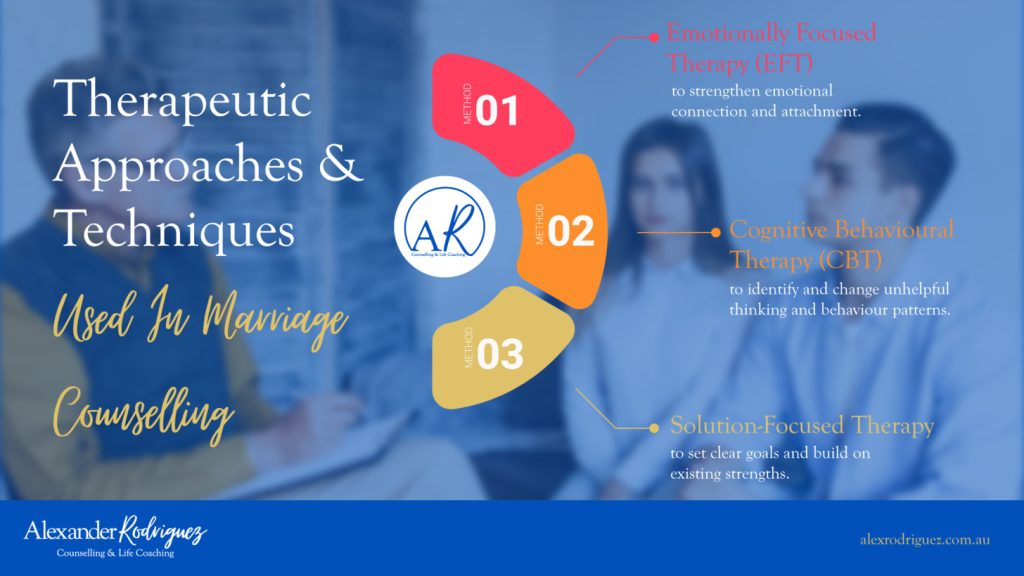
    Therapeutic Approaches and Techniques Used

    We draw on evidence‑based approaches tailored to your needs, which may include:

    These methods are applied flexibly so the work is relevant to your situation and practical for everyday life.

    Setting Realistic Goals and Timeframes

    Together we set clear, achievable goals and a timeframe for your work — for example, improving communication around parenting routines over 6–8 sessions. Typical session cadence is weekly or fortnightly depending on availability and need.

    Measuring Progress and Outcomes

    Progress is reviewed regularly through simple check‑ins and agreed measures (for example, relationship satisfaction questions or skill demonstrations). If the plan needs adjustment, we agree on changes so the process remains focused and useful.

    If you’re ready to take the next step, you can book online or arrange a brief 10–15 minute phone call to discuss your situation and available sessions. For bookings or more information, feel free to contact me directly — I’m here to support you and your relationship every step of the way. You can book at this link.

    Local Resources and Referral Options in Sydney

    If you’re looking for further information, support or alternative services in Sydney, there are several local resources and referral pathways that can help you access accredited counsellors, community programs and urgent support.

    Finding Accredited Counsellors and Checking Registration

    Look for counsellors registered with recognised bodies and ask about their qualifications and insurance. Useful starting points for verification and listings include the Australian Counselling Association (ACA) and relevant professional registers. When contacting a provider, ask directly about their training, areas of specialisation and whether they can provide counselling for your particular needs.

    Local Support Services and Referral Pathways

    There are a range of community services across Sydney that support relationships and families, including community health centres, family support programs and relationship education workshops. For immediate listening and crisis support, Lifeline and state-based services (including 1800RESPECT for family and domestic violence) can provide confidential assistance and referrals. If you need legal or financial advice related to separation, your counsellor can suggest local solicitors or financial counsellors — note that these are referrals for information rather than professional legal or financial advice.

    Training, Programs and Subsidised Options

    Many community organisations run low‑cost or subsidised relationship programs and parenting courses. Local community health centres and non‑profit providers often offer programs suitable for parents, couples and families. If cost is a barrier, ask about concession rates, Medicare‑eligible psychology services or government‑funded programs in your area.

    When to Seek Urgent Help

    If you or someone else is in immediate danger, call emergency services (dial 000). For urgent mental health crises, contact your local emergency department or crisis lines. If you are experiencing or at risk of family violence, phone 1800RESPECT or your local police for immediate protection and specialist support.

    For more detailed local information or tailored support options, please contact your chosen service provider or community health centre — they can advise on available programs, training and referral pathways in your suburb.

    How to Choose the Right Marriage Counsellor for Your Needs

    Finding a counsellor who understands your situation and who you can trust is a key step in getting effective relationship support. The right match makes sessions more productive and helps you and your partner feel supported as you work through concerns.

    Essential Qualifications and Credentials to Look For

    When choosing a counsellor, check their training, registration and relevant skills. Ask whether they belong to recognised professional bodies (for example, the Australian Counselling Association or equivalent) and about their experience working with couples and families. For specific issues such as trauma or family violence, look for additional training or a trauma‑informed approach.

    The Importance of Therapist-Client Compatibility

    Compatibility matters. You should feel safe, heard and respected. A good fit often becomes clear within a short trial — we suggest assessing comfort and rapport after a trial period of about three sessions. If you consistently feel misunderstood or dismissed (for example, after three sessions), consider discussing these issues with the counsellor or seeking another professional.

    Questions to Ask During Your Initial Consultation

    Bring a short checklist of questions to your first meeting so you can evaluate whether the counsellor meets your needs:

    • What approaches and training do you use with couples (EFT, CBT, solution‑focused, etc.)?
    • How many couples have you worked with on similar concerns and what outcomes are typical?
    • What is the recommended process and timeline (how many sessions, typical cadence)?
    • What are your fees, cancellation policy and available concessions or packages?
    • How do you manage confidentiality and safety, particularly if family violence or child safety is a concern?

    When to Consider Changing Counsellors

    Consider changing counsellors if, after a few sessions, you still feel uneasy, your key concerns aren’t being addressed or you disagree with the counsellor’s approach. Different counsellors have different styles — sometimes a different skillset or personality is all that’s needed. If you’re unsure, ask for a brief ‘get to know you’ appointment via the Booking section to test compatibility before committing to more sessions.

    Online vs In-Person Marriage Counselling Options

    As a couple in Sydney, you can choose between online and in-person therapy for marriage counselling. The right option depends on your preferences, practical needs, and the complexity of your situation. Both formats can provide effective support when delivered safely and professionally, and I’m here to help you find the best fit for your need

    The Benefits of Virtual Counselling Sessions

    Online counselling offers flexibility and convenience: you can attend from home, reduce travel time and fit sessions around work or family commitments. It can be especially helpful for people in outer suburbs or with limited transport options.

    • Pros: more accessible, lower travel stress, easier to schedule for busy families.
    • Cons: relies on a stable internet connection and a private space, and may feel less personal for some people.

    Practical tips for virtual sessions: use a private, quiet room, ensure a reliable internet connection, and check your device and camera beforehand. Discuss confidentiality and secure platforms with your counsellor before starting.

    Advantages of Face-to-Face Therapy

    In-person counselling provides the benefits of being in the same room — nonverbal cues, therapeutic presence and an environment intentionally set for counselling. Face-to-face work can be preferable for more complex mental health concerns, trauma work, or situations where family members (including children) attend together.

    • Pros: stronger personal connection, easier to read body language and manage intense emotions.
    • Cons: requires travel and scheduling, which can be harder for busy or geographically distant families.

    Flexible Delivery Options and Choosing What’s Right

    I offer both online and face-to-face counselling sessions so you can choose the delivery method that best suits your family’s needs. For example, a busy couple may start with a few virtual sessions to learn communication skills, then switch to face-to-face work for deeper emotional processing.

    When deciding, consider the safety, privacy, and suitability of each option and discuss your preference during our initial consultation. I can recommend the best format based on your needs and the nature of the issues you bring.

    For more information or to book a session, visit Counsellor Booking, Contact Me, or View on Map.

    Booking Your Marriage Counselling Session with Alex Rodriguez

    Booking is straightforward and designed to fit around busy lives. Whether you prefer to arrange appointments online or by phone, we aim to make the first step as simple and supportive as possible.

    Available Hours: Monday to Saturday, 9:00 AM – 7:00 PM

    Appointments are available Monday to Saturday between 9:00 AM and 7:00 PM. Please confirm session length (typically 50–60 minutes) when booking and advise if you need an evening or weekend slot so we can try to accommodate your time needs.

    Online Counsellor Booking Process

    To book online, simply visit the Counsellor Booking page, select the service you need, choose an available time, and follow the prompts to confirm. Once you’ve booked, you’ll receive an email confirmation and an appointment reminder with details for the location or virtual session.

    Phone Booking Options

    If you prefer to speak with me directly, please contact me at 0429 220 646. I’m happy to answer any questions you have about services, fees, or available appointments and assist you in booking a suitable session.

    Location and Accessibility Information

    Our in‑person sessions are held at Suite 207A, 30 Campbell St, Blacktown NSW 2148. The practice aims to be accessible — please let us know if you need mobility access or any other adjustments when booking so we can make arrangements.

    Finding Suite 207A, 30 Campbell St Blacktown NSW 2148

    The suite is easy to reach by public transport and local roads. Use GPS or Google Maps to find the exact entrance; if you’d like, we can send detailed directions when you confirm your appointment.

    Parking and Public Transport Options

    There is nearby parking and convenient public transport links — for example, Blacktown Station is a short walk or bus ride away. If you’re attending a session with children or need extra time, mention this when you book so we can schedule a suitable appointment length.

    What to bring to your first appointment: a form of ID, any referral paperwork (if applicable), and a short list of the main concerns or goals you want to address. If you have questions about fees or concessions, we’ll discuss them when you call or book online.

    As “The greatest happiness of life is the conviction that we are loved; loved for ourselves, or rather, loved in spite of ourselves.” – Victor Hugo. We’re committed to providing compassionate support to help you and your partner build a stronger relationship.

    Conclusion: Taking the First Step Towards Relationship Healing

    Beginning counselling can feel daunting, but it’s often the most constructive step toward a stronger, healthier relationship. Marriage counselling provides practical tools, improved communication skills, and supportive guidance to work through difficulties and grow closer as a couple.

    If you’re ready to take the first step, you can book an initial appointment online or arrange a short 10–15 minute phone call to discuss your situation and options. Appointments and further information are available through the booking page or by phone — please contact me for details and to confirm availability.

    All sessions are conducted with respect for your confidentiality and safety. Taking this step can change the course of your relationship and your life. I’m here to support you through the process and the challenges ahead.

    FAQ

    What is marriage counselling, and how can it help my relationship?

    Marriage counselling (relationship counselling) is a professionally guided process that helps couples improve communication, resolve recurring conflicts and rebuild intimacy. It provides practical tools and a confidential space for both partners to explore issues and work towards agreed goals.

    What types of marriage counselling services are available?

    Services commonly include pre‑marriage counselling, couples counselling, family counselling, individual relationship therapy, conflict resolution and separation/divorce support. Community programs and relationship education workshops may also be available through local services.

    How much does marriage counselling cost in Sydney?

    Costs vary by provider. Typical private session fees are quoted per appointment; some practices charge around $130 per session. There may be concessions, package rates or subsidised community options — check with the provider for exact fees and any available rebate information.

    Will I get a Medicare rebate or can private health insurance help?

    Medicare rebates are generally available for eligible individuals seeking mental health support, including counselling, under a Mental Health Care Plan, but this typically applies to psychologists and not relationship counselling for couples. To qualify, a referral from a GP, psychiatrist, or paediatrician is required, and rebates can be used for up to 10 individual and 10 group therapy sessions per year. However, couples therapy is generally not covered by Medicare, as it is considered relationship counselling. Some private health insurance policies may offer rebates for individual therapy sessions depending on your coverage, but it’s essential to check with your provider for specifics. Keep in mind that you cannot claim both a Medicare rebate and a private health insurance rebate for the same session. For more details, visit the official Services Australia website.

    What can I expect during my initial consultation?

    The first appointment is an initial consultation to discuss your concerns, history and goals. You’ll be asked questions, learn about the proposed process and have an opportunity to raise questions about approach, fees, session length and confidentiality.

    How long does counselling usually take to help?

    There’s no fixed timeframe — outcomes depend on the issues, commitment and goals. Some couples see useful changes in 6–12 sessions, while others benefit from shorter or longer programs. Your counsellor will recommend a plan tailored to your needs and review progress regularly.

    Do you offer online counselling or face‑to‑face appointments?

    Both online and face‑to‑face options are commonly available. Online counselling is flexible and convenient, while in‑person sessions can be preferable for complex issues or when non‑verbal communication is important. Discuss your preference and situation at the initial consultation.

    How do I book a counselling session?

    You can book a counselling session either through my online booking page or by phone. To check appointment availability and make a booking, simply visit my booking page, or feel free to call me directly to discuss services, fees, and available times. I’m here to assist you every step of the way.

    What if my situation involves family violence or child safety?

    If there are safety concerns, such as family violence, seek immediate specialist support and priority safety planning — contact 1800RESPECT or emergency services if a person is in danger. Counsellors should follow mandatory reporting and safety procedures and can refer to specialist services where needed.

    In Sydney, evidence-informed relationship therapy supports healing and growth. Our customised marriage counselling services are tailored to your needs so you can better understand relationship patterns, improve communication and address the issues that matter most to your relationship.
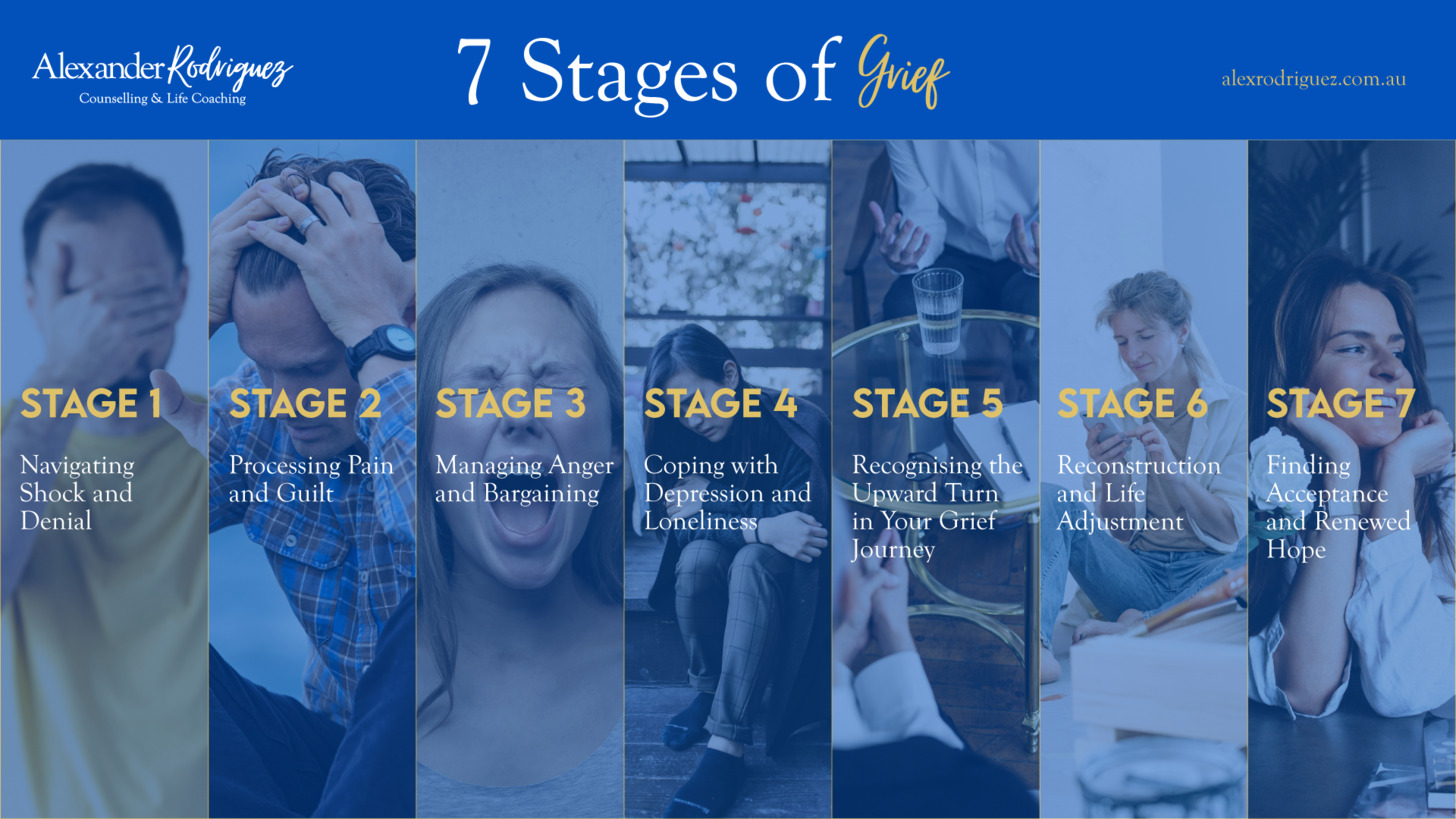
  • Counsellors Near Me: How to Find Trusted Services in Sydney

    Counsellors Near Me: How to Find Trusted Services in Sydney

    Research shows that finding the right counsellor is just as important as the type of therapy itself. In fact, studies indicate that the therapeutic alliance accounts for approximately 30 percent of successful outcomes in counselling, while specific techniques play a comparatively smaller role.

    This means it’s not simply about credentials or methods. It’s about building trust, feeling understood, and being truly heard. A strong client–counsellor match provides a safe environment to open up, encourages growth through healthy challenges, and offers consistent support throughout the journey of change.

    Experts often say that “the right match is key in therapy. Finding a good fit in a therapist is as important as the type of therapy.” It’s not just about credentials or techniques; it’s about trust, understanding, and feeling truly heard. A good counsellor is someone who creates a safe space for you to open up, challenges you when needed, and walks alongside you as you work toward change.

    At Alex Rodriguez Counselling & Life Coaching, I provide a safe and supportive space where clients can explore, grow, and heal. My compassionate, encouraging approach is designed to empower individuals on their personal journey toward greater clarity, resilience, and well-being.

    Key Takeaways

    • Finding a trusted counsellor is crucial for effective therapy.
    • A good fit between you and your counsellor is essential.
    • Personalised support can lead to lasting positive change.
    • Professional counselling services are available in your area.
    • Reaching out for support is the first step towards transformation.

    Understanding the Value of Professional Counselling

    Professional counselling is more than just talking through problems — it is a proven approach to enhancing mental health, resilience, and overall quality of life. In Australia, nearly 1 in 5 people experience a mental health condition each year (Australian Bureau of Statistics, 2022). Despite this, many delay seeking support due to stigma, cost, or lack of awareness.

    Counselling offers a safe, confidential space to explore personal challenges such as anxiety, depression, stress, trauma, or relationship difficulties. Evidence-based approaches like Cognitive Behavioural Therapy (CBT) are widely recognised as effective, with research showing that 70–80% of people experience significant improvement when engaging in structured therapy.

    Beyond immediate symptom relief, professional counselling helps build lifelong skills — from managing emotions and improving communication to strengthening relationships and navigating major life transitions. The World Health Organization highlights that timely access to mental health services not only reduces personal distress but also improves physical health, supports stable employment, and enhances community wellbeing.

    Investing in counselling is not only about overcoming crises. It is a proactive step toward better mental health, personal growth, and a more balanced, fulfilling life.

    The Growing Importance of Mental Health Support in Australia

    As mental health awareness continues to grow, so does the demand for accessible, high-quality counselling services. People are no longer only looking for crisis support; they are seeking guidance for everyday challenges such as stress, relationships, and personal growth. This shift underscores the importance of having trusted, well-qualified counsellors available to meet the rising need and to ensure that Australians can access the right support at the right time. In Australia, more people are looking for counselling. This shows how important it is. As mental health awareness grows, so does the need for good counselling services.

    How Counselling Can Improve Your Quality of Life

    Counselling can really change someone’s life. It gives them the tools to handle their mental health. This can lead to better coping, stronger relationships, and a happier life.

    Benefits of Counselling Description
    Improved Mental Health Counselling helps individuals manage their mental health challenges.
    Better Coping Mechanisms Counselling provides individuals with effective coping strategies.
    Enhanced Relationships Counselling can improve interpersonal relationships.

    Breaking the Stigma Around Seeking Help

    While mental health awareness is growing in Australia, stigma still prevents many from seeking support. Counselling is not a sign of weakness — it is an act of strength, courage, and self-awareness.

    Professional counselling goes beyond conversation; it equips people with coping skills, improves relationships, and helps manage stress, anxiety, and depression. Research shows it can significantly boost both emotional health and overall life satisfaction.

    By normalising counselling and encouraging open conversations about mental health, we can break down barriers of shame and build a more compassionate, connected, and supportive community.

    Common Signs You Might Benefit from Counselling

    If you often feel overwhelmed, sad, anxious, or unsure about how to cope, it may be a sign that counselling could help. Recognising when to seek support is an important step toward better mental health and overall wellbeing. Counselling can be especially valuable if you find it hard to manage stress, experience frequent mood changes, struggle in relationships, or feel stuck in unhelpful patterns.

    Emotional and Psychological Indicators

    Emotional and mental health issues show up in many ways. Some common signs are:

    • Persistent feelings of sadness or hopelessness
    • Increased anxiety or worry
    • Difficulty managing emotions
    • Loss of interest in activities once enjoyed

    Relationship and Social Challenges

    Struggles in personal and work relationships can mean you need counselling near me. This includes:

    • Conflict with family members or friends
    • Difficulty forming or maintaining healthy relationships
    • Feeling isolated or disconnected from others

    Work-Related Stress and Career Uncertainty

    Stress at work and doubts about your career can really affect you. Signs you might need counselling are:

    • Chronic stress or burnout
    • Difficulty making career decisions
    • Lack of job satisfaction

    Knowing these signs is the first step to getting the help you need.

    Signs Description Benefits of Counselling
    Emotional Distress Persistent sadness, anxiety Learn to manage emotions effectively
    Relationship Issues Conflict, isolation Improve communication and relationship skills
    Work Stress Burnout, career uncertainty Develop coping strategies and career clarity

    Different Types of Counselling Services Available

    In Sydney, I offer a range of counselling services designed to support different mental health and personal needs. Whether you’re navigating stress, anxiety, depression, relationship issues, or life transitions, my goal is to provide a safe and supportive space where you can work through challenges and build strategies that strengthen your wellbeing.

    Anger Management Counselling

    Anger management counselling teaches healthier ways to handle anger. It’s great for those whose anger problems impact their relationships or daily life. You’ll learn how to control your anger and respond better to situations.

    Relationship and Couples Therapy

    Relationship and couples therapy aims to improve communication and strengthen relationships. It helps couples deal with challenges, solve conflicts, and build a better partnership. By working together, couples can achieve a more supportive and loving relationship.

    Depression and Anxiety Treatment

    Depression and anxiety treatment helps you find ways to cope and manage symptoms. It’s a supportive space to understand the causes of your mental health issues. You’ll learn to take back control of your mental wellbeing.

    Grief and Loss Support

    Grief and loss support counselling provides a safe place to deal with emotions after a big loss. It helps you go through the grieving process, honour your loss, and adjust to life afterwards.

    Career Counselling and Guidance

    Career counselling helps you make informed choices about your career. It identifies your strengths, explores career options, and helps you plan for your professional goals.

    Type of Counselling Focus Benefits
    Anger Management Managing anger Healthier expression of emotions
    Relationship Therapy Improving relationships Stronger, more fulfilling relationships
    Depression & Anxiety Treatment Managing symptoms Improved mental health
    Grief & Loss Support Processing loss Healthier grieving process
    Career Counselling Career development Informed career decisions

    How to Find Counsellors Near Me: Practical Search Methods

    Finding the right counsellor takes more than just typing a name into a search bar — it requires a thoughtful approach. When I decide to improve my mental health, I know it’s important to look beyond the first result and consider factors like qualifications, experience, and areas of expertise. By using trusted directories, healthcare referrals, and verified booking platforms, I can make sure I connect with a counsellor who truly fits my needs.

    Using Online Directories and Search Engines

    Online directories and search engines are some of the most effective starting points for finding local counselling and therapy services. With just a few clicks, you can access a wide range of professionals in your area, saving both time and effort in the search process. Well-known platforms like Psychology Today, Healthdirect Australia, and other mental health directories allow you to browse counsellor and therapist profiles with ease.

    What makes these tools so valuable is the ability to refine your search based on your specific needs. For example, you can filter by the type of therapy you’re interested in, such as cognitive behavioural therapy (CBT), family counselling, or trauma-focused approaches. Many directories also let you search by practical factors like location, session format (in-person or online), languages spoken, cultural background, or even whether the provider accepts Medicare or private health insurance.

    These filters not only make the process more efficient but also increase the chances of finding the right fit from the very beginning. Instead of feeling overwhelmed by endless choices, you can narrow down to a shortlist of counsellors who align with your goals, values, and circumstances. By using online directories as a first step, you create a clearer pathway to finding a counsellor who feels like the right match for your journey. Online directories and search engines are great for finding local therapy services. Websites like Psychology Today list therapists and counsellors in your area. You can filter your search by your specific needs, like the type of therapy or insurance.

    Seeking Referrals from Healthcare Providers

    Getting a referral from a healthcare provider is one of the most reliable ways to find a counsellor you can trust. Doctors, psychologists, psychiatrists, and other health professionals often collaborate with counsellors and are familiar with their expertise, therapeutic style, and reputation. This means they are well-placed to recommend someone suited to your specific needs.

    counsellor 1 on 1 session with patient

    Exploring Community Mental Health Resources

    Community-based services can be an excellent pathway to accessing affordable and reliable counselling. These resources are often more approachable and tailored to local needs, making them a valuable option for individuals and families. Local organisations not only provide direct support but also connect you to professionals within their network. Some ways they can help include:

    • Local Mental Health Organisations – Many not-for-profit and community-run services provide free or low-cost counselling sessions, often funded by government or charitable programs.
    • Support Groups – Peer-led or professionally facilitated groups can help people facing similar challenges share experiences and strategies in a safe, supportive environment.
    • Community Centres – Local centres frequently offer drop-in counselling, workshops, or referrals to qualified professionals. They may also provide additional well-being programs, such as stress management or mindfulness classes.
    • Referral Services – Even if a centre doesn’t provide ongoing counselling, staff can often connect you with trusted therapists in the area who specialise in your needs.

    Checking with Health Insurance Providers

    If you have private health insurance, your provider can be another valuable resource in finding the right counsellor. Using your insurer’s network can reduce costs and give you peace of mind that your chosen professional is covered under your plan.

    Practical steps include:

    • Insurance Directories – Most providers have searchable online directories that list counsellors, psychologists, and therapists who are part of their approved network.
    • Customer Support Lines – A quick call to your insurer can help you confirm coverage, learn about rebate options, and get recommendations for providers near you.
    • Cost Savings – By choosing an in-network counsellor, you can often reduce or even eliminate out-of-pocket expenses, making therapy more accessible.
    • Extra Services – Some insurers also offer wellbeing apps, helplines, or preventative programs alongside standard counselling coverage.

    Bringing It All Together

    By combining these practical search methods, exploring community resources, checking with your health insurance provider, and using online directories or professional referrals, you can create a clear pathway to finding a counsellor who meets your needs. The right support system will not only help you address current challenges but also empower you to build resilience, improve mental health, and enhance your overall quality of life. Lastly, check with your health insurance provider. They can help you find counsellors in your insurance network. This can save you money. Many insurance companies have online directories or customer service lines to help you.

    By using these practical search methods, you can find a counsellor who meets your needs. They will support your journey towards better mental health.

    Evaluating Counsellor Credentials and Expertise

    When choosing a counsellor, it is important to review their credentials and areas of expertise to ensure the right support. This includes checking qualifications, years of experience, and any specialisations such as anxiety, trauma, or relationship counselling.

    It is also essential to confirm whether the counsellor is registered with recognised professional bodies like the Australian Counselling Association (ACA) or the Psychotherapy and Counselling Federation of Australia (PACFA). Membership in these organisations demonstrates that the counsellor meets strict standards for training, ethics, and ongoing professional development.

    By carefully evaluating a counsellor’s background, clients can feel assured that they are choosing someone with the knowledge, skills, and commitment required to provide professional care.

    Understanding Different Qualifications and Certifications

    Counsellors have different qualifications and certifications. They might have diplomas in counselling, degrees in psychology, or special training in areas like trauma or addiction. It’s important to know what these qualifications mean and how they help the counsellor meet your needs. For example, a counsellor trained in cognitive-behavioral therapy might be great for anxiety issues.

    The Importance of Specialised Experience

    Experience is very important when choosing a counsellor. Find counsellors with experience in issues like yours. Their special experience can greatly improve the therapy’s success. A counsellor with lots of experience in your area of concern can offer more effective support.

    Verifying Registration with Australian Professional Bodies

    In Australia, counsellors must be registered with bodies like the Australian Health Practitioner Regulation Agency (AHPRA) or the Australian Counselling Association (ACA). Checking a counsellor’s registration is a vital step to ensure they’re qualified. You can verify their registration on the AHRPA or ACA websites.

    The Importance of Finding the Right Therapeutic Fit

    Finding the right counsellor is a vital step in any mental health journey. The connection built on trust, empathy, and understanding directly influences the progress made in counselling. A supportive therapeutic relationship allows you to feel safe, share openly, and work together toward positive outcomes.

    When the fit is strong, counselling sessions are more effective and create opportunities for meaningful growth and lasting change. If the connection is lacking, it may be harder to engage fully and benefit from the process. This is why choosing a counsellor whose approach and style align with your needs is essential for long-term wellbeing. To learn more about building the right support system, explore this Life Coach Sydney Guide.

    Assessing Personal Compatibility with Your Counsellor

    Feeling at ease and truly understood by your counsellor is crucial to the success of therapy. When there’s a sense of personal compatibility, it becomes easier to build trust, share openly, and fully engage in the process. This connection helps you feel safe exploring difficult emotions and experiences without fear of judgment.

    When choosing a counsellor, pay attention to their approach to therapy, how they communicate with you, and whether their style aligns with your needs. Consider their areas of expertise as well, whether they specialise in anxiety, relationships, trauma, or other issues you want to address. A counsellor who resonates with you on both a personal and professional level can make the journey more effective, supportive, and empowering. Feeling at ease and understood by your counsellor is crucial. Personal compatibility helps you open up and fully engage in therapy. Look at their approach, how they communicate, and their expertise.

    Understanding Different Therapeutic Approaches

    Counsellors use a wide range of therapeutic approaches, such as cognitive-behavioural therapy (CBT), psychodynamic therapy, or humanistic approaches. Each method has its own strengths and is designed to address different challenges, from managing anxiety and depression to exploring deeper patterns rooted in past experiences. By learning a little about these approaches, you can better understand what might work best for you. This knowledge helps you choose a counsellor whose style and expertise align with your personal goals, making the therapeutic process more effective and tailored to your needs. Counsellors use many approaches, like cognitive-behavioural therapy (CBT) or psychodynamic therapy. Knowing these can help you pick a counsellor who fits your needs.

    The Value of Initial Consultations

    Many counsellors offer first meetings. These are great for checking if you’re a good match and understanding their methods. This session can help you decide if they’re right for you.

    As one expert says,

    “The therapeutic relationship is the foundation of effective counselling.”

    By focusing on your comfort and connection with your counsellor, you’re on the right path to mental health success.

    Practical Considerations When Booking Counselling Sessions

    When preparing to start counselling, it’s helpful to think about a few practical details. Considering factors such as appointment availability, session length, fees, cancellation policies, and whether online or in-person sessions suit you best can make the process feel smoother. Understanding these elements early on helps you feel prepared, confident, and comfortable as you take the first step toward support.

    Navigating Appointment Availability and Scheduling

    It’s important for me to make sure my clients have access to counselling at times that work for them. I offer sessions from Monday to Saturday, 9:00 AM to 7:00 PM, so you can find a time that fits around work, study, or family commitments. To make things easier, I also provide an online booking system where you can choose a session time that suits you without needing to call. By checking availability upfront and keeping sessions consistent, you give yourself the best chance of making real progress.

    Understanding Cancellation Policies

    Before confirming your appointment, take time to understand the counsellor’s cancellation or rescheduling policy. Life can be unpredictable, and knowing the rules around notice periods and fees can save you unnecessary stress or extra costs down the track. Asking about this policy at your first contact helps set clear expectations and prevents surprises later on.

    At my counselling center cancellation policy is straightforward: I ask for at least 48 hours’ notice if you need to cancel or reschedule. Cancellations made between 48 and 24 hours before the session incur a $65 fee, while cancellations within 24 hours are charged at the full session rate of $130. This approach ensures fairness for all clients and allows me to manage my schedule effectively.

    Preparing for Your First Counselling Session

    Taking a few simple steps to prepare for your first session can help you feel more relaxed and ready to engage. For example:

    • Arrive a little early to complete any paperwork or forms.
    • Bring along important information about your medical or mental health history, if relevant.
    • Spend a moment thinking about your goals, what you hope to achieve through counselling and what kind of support you’re looking for.

    What to Bring to Your Appointment

    It’s useful to come with a notebook and pen to jot down key points, strategies, or reflections from your session. You might also want to bring any relevant documents, such as medical letters or previous mental health records, as well as a list of your current medications. These details help your counsellor get a clearer picture of your situation.

    Questions to Ask Your Counsellor

    Don’t hesitate to ask questions during your first meeting; it’s your time to find out if this counsellor is the right fit for you.

    Some helpful questions include:

    • “What experience do you have with issues like mine?”
    • “What kind of therapy do you use, and how does it work?”
    • “How long do sessions usually last, and how often should I attend?”

    Asking these questions builds clarity, strengthens your sense of trust, and gives you confidence that you’re making the right choice. When you think about counselling, there are practical things to consider.

    Knowing these can make you feel more ready and sure about getting help.

    Accessing Mental Health Rebates and Support in Australia

    Accessing mental health support in Australia is made easier through the Better Access initiative, which allows people with a GP-approved Mental Health Treatment Plan to claim Medicare rebates for up to 10 individual and 10 group sessions each year with eligible professionals such as psychologists, social workers, and occupational therapists (Services Australia, Department of Health). Rebates vary depending on the provider, with patients receiving approximately $99 for a general psychologist and $145 for a clinical psychologist, though some may charge a gap fee unless they offer bulk billing. Importantly, telehealth sessions are also covered, providing flexibility for those unable to attend in person. While the temporary COVID-era increase to 20 sessions has now ended, psychologists continue to advocate for expanded access due to rising demand (The Guardian, Herald Sun). Understanding these rebates helps make counselling more affordable and ensures that more people can access the support they need.

    Medicare Mental Health Care Plans

    Medicare has Mental Health Care Plans. These plans give rebates for sessions with counsellors or mental health experts. To get these rebates, you must:

    Private Health Insurance Coverage Options

    Many private health insurers in Australia cover mental health services, like counselling. But, how much they cover can differ. Always check your policy.

    Insurance Provider Counselling Coverage Rebate Amount
    Provider A Yes, up to 10 sessions $50 per session
    Provider B Yes, unlimited sessions $40 per session

    Other Financial Assistance Programs

    There’s more help beyond Medicare and private health insurance. Many workplaces and student health plans cover therapy. It’s good to look into these options.

    Learning about these financial help programs can lower the cost of counselling. This makes getting mental health support easier for those who need it.

    Conclusion: Taking the First Step Towards Better Mental Health

    Seeking professional help is a big step towards better mental health. Finding a trusted counsellor is key. By understanding counselling’s value and knowing when you need it, you can start your journey to a healthier life.

    Whether you face emotional challenges, relationship issues, or work stress, a counsellor can help. They offer the support and guidance you need.

    If you’re in Sydney and need counselling, consider Alex Rodriguez Counselling. They offer expertise and care, helping you on your path to change. Don’t wait to reach out to mental health organizations or search online for a counsellor that fits your needs. Taking that first step can lead to a significant improvement in your mental well-being.

    FAQ

    What qualifications should I look for in a counsellor?

    For counsellors, people should look for an ACA-accredited qualification such as a Diploma of Counselling from a recognised institution, like the Australian Institute of Professional Counsellors (AIPC), which is where I gained my qualification. It’s also important to make sure the counsellor is a member of either the Australian Counselling Association (ACA) or the Psychotherapy and Counselling Federation of Australia (PACFA), as these are the key regulatory bodies for counsellors.

    How do I know if a counsellor is the right fit for me?

    Check their approach, experience, and if you feel comfortable with them. Many offer initial consultations to see if they’re right for you.

    What types of issues can counselling help with?

    Counselling can help with many issues like anxiety, depression, and relationship problems. It also covers work stress, grief, and more. They tailor their support to your needs.

    How do I find counsellors near me in Sydney?

    Use online directories or ask healthcare providers for referrals. You can also check community mental health resources or your health insurance for covered professionals.

    Can I claim mental health rebates for counselling sessions?

    No, Medicare rebates are not available for counselling sessions with counsellors. This is because counsellors are not recognised under Medicare’s mental health rebate system. However, this also means counselling is often more affordable than seeing a psychologist.

    Medicare rebates are available if you see:

    • A psychologist, or
    • A social worker accredited as a Mental Health Social Worker (AMHSW)

    To access these rebates, you’ll need a Mental Health Treatment Plan from your GP.

    If you have private health insurance, some extras policies may cover part of the cost of counselling, so it’s worth checking with your provider.

    What should I expect during my first counselling session?

    Expect to talk about why you’re seeking counselling and your goals. The counsellor will also explain their approach and what future sessions will be like.

    How often should I attend counselling sessions?

    The frequency depends on your needs and goals. Some prefer weekly sessions, while others have less frequent appointments. Your counsellor will help decide the best schedule for you.

    Is counselling confidential?

    Yes, counselling is confidential. Counsellors must keep their sessions private, except in serious cases where there’s a risk to themselves or others.
  • How Counselling Helps Manage Anger Issues in 2025

    How Counselling Helps Manage Anger Issues in 2025

    In 2025, anger management counselling in Australia continues to be one of the most effective ways for you to take control of anger and improve your overall well-being. With mental health awareness growing, counselling is now more accessible and tailored to people from different backgrounds and lifestyles.

    When you start therapy for anger issues, you gain a safe and supportive space to explore the root causes of your frustration. You also learn practical, evidence-based strategies to regulate your emotions, strengthen your relationships, and build a healthier daily routine. By working with a counsellor who understands Australia’s unique cultural and social landscape, you receive support that feels relevant and personal to you.

    Managing anger is not only about calming down in the moment, it is about developing lasting skills that transform your life. Taking the step to seek professional help shows strength, and at Alex Rodriguez Life Coaching & Counselling, I am here to guide you through that journey. Together, we can work on breaking negative cycles, improving your confidence, and creating a more balanced and fulfilling future.

    Counselling helps you notice the early signs of anger and find healthier ways to deal with it. Through cognitive behavioural therapy, I will guide you in learning how to manage your feelings more effectively.

    By starting anger management counselling, you are showing that you are ready for change. I will support you every step of the way with care, understanding, and proven strategies to help you move forward.

    Key Takeaways

    • Recognize the signs of unmanaged anger and its impact on your life.
    • Develop effective coping strategies through counselling.
    • Improve your relationships by managing anger issues.
    • Commit to a path of personal growth and positive change.
    • Seek professional help from experienced counsellors.

    Understanding Anger Issues in 2025

    In 2025, dealing with anger is more crucial than ever. Anger can come from stress, hormonal shifts, or deeper issues like depression or anxiety.

    Common Causes of Anger Problems

    Anger can be caused by many things, including:

    • Stress and pressure from work or personal life
    • Hormonal changes or imbalances
    • Underlying mental health conditions such as depression or anxiety
    • Past traumas or unresolved conflicts

    The Mayo Clinic says knowing what triggers anger is key. By understanding these causes, people can start looking for anger management support.

    Cause Effect Management Strategy
    Stress Increased irritability Relaxation techniques, such as deep breathing or meditation
    Hormonal Imbalance Mood swings Hormone regulation therapy
    Underlying Mental Health Conditions Intensified anger episodes Therapy or counseling to address underlying issues

    Signs You May Need Anger Management Support

    If you often find yourself getting angry with others, feeling intense anger, or becoming overwhelmed, it may be time to seek help. Recognising these signs early can prevent things from getting worse and give you the support you need to feel better.

    At Alex Rodriguez Life Coaching & Counselling, I provide personalised anger management counselling to help you regain control and improve your well-being. You can call 0429 220 646, visit me at Suite 207A, 30 Campbell St, Blacktown NSW 2148, or simply book a consultation online to get started today.

    Why Counselling Is Effective for Anger Management

    Counselling remains one of the most effective ways to manage anger in 2025. It provides a safe and supportive environment where you can understand the roots of your anger, learn healthier coping strategies, and gain practical tools to stay in control. For anyone struggling with anger, counselling offers guidance that leads to real and lasting change.

    Therapy vs. Self-Help

    Many people wonder if therapy or self-help is better for anger. Counselling provides a personal plan that fits your needs. It’s a more guided way to tackle anger.

    • Personalized guidance from a professional therapist
    • A safe space to explore the root causes of anger
    • Evidence-based techniques to manage anger

    The American Psychological Association says Cognitive behavioral therapy (CBT) is great for anger management. It helps change negative thoughts.

    “Cognitive behavioral therapy (CBT) is a problem-focused approach that helps individuals understand how their thoughts, feelings, and actions are interconnected.”

    American Psychological Association

    Evidence-Based Counselling Approaches

    Many counselling methods are proven to help with anger. Cognitive Behavioral Therapy (CBT) is one. It helps spot and change bad thought patterns.

    Therapy Approach Key Benefits
    CBT Identifies and changes negative thought patterns
    Mindfulness Therapy Promotes relaxation and reduces stress

    Thinking about getting help for anger? Book a session with a counsellor. Start your path to a more balanced life.

    Proven Counselling Techniques for Managing Anger

    Proven counselling techniques can greatly help with anger issues. They offer strategies to understand and manage anger. This leads to better relationships and overall well-being.

    Cognitive Behavioural Therapy (CBT) for Anger

    Cognitive Behavioural Therapy (CBT) is very effective for anger management. It helps identify and challenge negative thoughts that lead to anger. Through CBT, people learn to think differently and cope better.

    Key components of CBT for anger management include:

    • Identifying triggers and early warning signs
    • Challenging and reframing negative thoughts
    • Developing problem-solving skills
    • Improving emotional regulation

    Mindfulness and Relaxation Methods

    Mindfulness and relaxation techniques are powerful tools for managing anger. They calm both the mind and body, helping reduce the intensity and frequency of anger episodes.

    Practices such as meditation, deep breathing, and guided relaxation increase your self-awareness. By recognising your emotional triggers in the moment, you are able to pause, reflect, and respond in healthier ways instead of reacting impulsively.

    Technique Description Benefits
    Deep Breathing Focuses on slow, deliberate breaths to calm the body Reduces stress and anxiety
    Mindfulness Meditation Practices being present in the moment to reduce reactivity Improves emotional regulation
    Progressive Muscle Relaxation Involves tensing and relaxing different muscle groups Reduces physical tension

    Communication & Conflict Resolution Skills

    Good communication and conflict resolution skills are vital for managing anger. Counselling helps develop these skills. This enables people to express their needs and solve conflicts well.

    Key communication skills include:

    • Active listening
    • Clear and assertive expression of needs
    • Empathy and understanding

    By using these counselling techniques daily, people can reduce anger issues. Our services, including one-on-one coaching and group sessions, support individuals in managing anger better.

    Anger Management Therapy Options in Australia

    In Australia, managing anger is now more accessible than ever. With a wide range of counselling and therapy options available, you can choose the approach that best suits your needs and lifestyle. Finding the right support is the key to making lasting progress.

    One-on-One Counselling Sessions

    One-on-one counselling is a personal way to tackle anger. It’s a safe space to find out why you get angry and learn how to handle it. Sessions cost $130 per hour, offering you focused support.

    Benefits of one-on-one sessions include:

    • Personalized attention to your specific needs
    • Flexibility in scheduling to suit your lifestyle
    • A safe space to discuss sensitive issues

    Group Anger Management Classes

    Group classes provide a supportive community. Here, you can share and learn from others. Experienced counsellors lead these sessions, offering a structured program.

    The advantages of group classes include:

    • Support from others facing similar challenges
    • Opportunities to learn new coping strategies
    • A sense of community and connection

    Online vs. In-Person Therapy

    Choosing between online and in-person therapy depends on what you prefer. Both have their benefits. As a counsellor, I offer both for your convenience.

    Online therapy: It’s convenient and flexible, great for those with busy lives or living far away.

    In-person therapy: It offers face-to-face interaction, which some find more effective for building a strong relationship.

    “The goal of therapy is not to eliminate anger but to learn how to manage it in a healthy way.”

    Both online and in-person sessions are available at $130 per hour, giving you the flexibility to choose what works best for you while still receiving the same level of professional care.

    If you are ready to take the next step, you can book your session online today and start working toward healthier ways of managing anger.

    Practical Tips to Control Anger Between Sessions

    Managing anger is an ongoing journey, and the progress you make in counselling is even stronger when supported by daily habits. Having practical strategies to use between sessions helps you stay in control, handle triggers more effectively, and continue building resilience in everyday life.

    Daily Coping Strategies You Can Apply

    Using daily strategies can really help with anger. Try deep breathing, exercise, or meditation to calm down. You might also find yoga or progressive muscle relaxation helpful.

    • Deep Breathing: Slow, deep breaths can calm your system.
    • Physical Exercise: It helps reduce stress and anxiety.
    • Mindfulness Meditation: Being present can lessen anger triggers.

    Living a healthy lifestyle is also important. Eat well, sleep enough, and avoid caffeine and nicotine. These habits can help manage anger.

    Tracking Triggers and Reactions

    Knowing what makes you angry is key. Use a journal or app to track your anger. This way, you can learn to avoid or handle these triggers better.

    Trigger Reaction Coping Strategy
    Stress at work Yelling at family members Practice deep breathing before responding
    Traffic jams Aggressive driving Listen to calming music or podcasts
    Financial worries Irritability Create a budget and financial plan

    Dr. Aaron Beck said, “Our thoughts, feelings, and actions are connected. Changing one can change the others.” Tracking your triggers and reactions helps you understand your anger better. This way, you can find better ways to cope.

    When to Seek Professional Help

    It can be hard to know when to ask for help with anger issues. But, it’s a key step to take back control of your feelings. If you struggle to handle your anger, look out for signs that show you need professional help.

    Warning Signs That Counselling Is Needed

    Some common signs you might need counselling for anger include:

    • Frequent outbursts or intense rage
    • Hard time controlling your temper, causing fights with others
    • Physical signs like a fast heart rate or feeling tense
    • Feeling guilty or regretful after getting angry

    If you see a few of these signs, it’s time to seek professional help. Counselling can teach you how to handle your anger better.

    How to Choose the Right Counsellor

    Choosing the right counsellor is a personal decision and an important part of your journey. The best fit depends on their experience, approach, and professional qualifications. When you are selecting a counsellor, consider factors such as their area of expertise, counselling style, and whether you feel comfortable and supported during sessions.

    • Look for someone with anger management experience, like Alex Rodriguez, who has helped many.
    • See if their approach fits what you need and want.
    • Make sure they are qualified and registered with the right bodies.

    Choosing the right counsellor means you’ll get the support and advice you need. Alex Rodriguez and his team offer compassionate and expert counselling services made just for you.

    Anger Management Resources in Australia (2025)

    Australia has a wide range of anger management resources. These include counselling services and online tools. They help people manage their anger well.

    Local Counselling Services & Support Groups

    Local counselling services and support groups play a key role in helping you manage anger. They provide a safe, supportive space where you can talk openly about your struggles and discover healthier ways to cope.

    For one-on-one support, Alex Rodriguez Life Coaching & Counselling is here to help. You can call 0429 220 646, visit the office at Suite 207A, 30 Campbell St, Blacktown NSW 2148, or book a consultation online to get started today.

    Support groups can also be an excellent resource, offering a sense of community where people share their stories, exchange strategies, and encourage each other’s progress.

    Online Tests, Toolkits & Self-Assessments

    Alongside counselling, online resources such as anger tests, toolkits, and self-assessments can be valuable. These tools help you identify triggers, recognise patterns in your behaviour, and highlight areas that need improvement. By gaining these insights, you are better prepared to work on change both inside and outside of counselling sessions.

    • Online anger management tests check how serious your anger is.
    • Toolkits have worksheets and exercises to help manage anger.
    • Self-assessments let you see how you’re doing over time.
    Tool / Resource Purpose How It Helps You Link
    Anger Tests Assess your current anger levels Gives a snapshot of how often and how strongly you feel anger Psychology Tools – Anger Test
    Trigger Identification Worksheets Track situations that spark anger Helps you see patterns and prepare healthier responses Centre for Clinical Interventions – Worksheets
    Self-Assessment Quizzes Reflect on behaviour and thought patterns Builds awareness of how anger affects daily life Beyond Blue – Mental Health Check-In
    Anger Management Toolkits Step-by-step guides and exercises Provides practical strategies you can use anytime MindSpot – Wellbeing Tools
    Mindfulness Apps Guided breathing and meditation Teaches relaxation to reduce anger in the moment Smiling Mind – Free App

    By using these resources, you can take practical steps to manage anger more effectively. This not only helps you stay in control but also improves your emotional well-being and quality of life.

    Take the Next Step

    Now that you understand more about anger issues and the benefits of counselling, it is time to take action. Managing anger is a journey, and reaching out for support is one of the most important steps toward creating balance and control in your life.

    Booking Your Counselling Session

    Booking your counselling session is simple and convenient. You can book online through my website by filling out a quick form, or contact me directly to check availability and discuss your needs. Taking this step is the first move toward gaining control of your emotions and creating a more balanced life.

    Your First Counselling Appointment

    In your first counselling session, you will have the opportunity to talk openly about your concerns and goals. This is your chance to build a connection with a professional who will listen without judgment and guide you through the counselling process. You will experience a supportive space where you can explore your feelings and begin learning effective ways to manage anger.

    By taking this step, you are making an important investment in your well-being. You are setting the foundation for a more balanced, harmonious life, and I am here to support you every step of the way.

    FAQ

    What is anger management counselling, and how can it help me?

    Anger management counselling helps you understand and manage anger. You learn to spot triggers and find ways to cope. At Alex Rodriguez Life Coaching & Counselling, our counsellors support you in changing for the better.

    What are the common causes of anger problems?

    The Mayo Clinic says anger problems can come from mental health issues, past traumas, and stress. Our counsellors at Alex Rodriguez Life Coaching & Counselling can help you find the root of your anger and create a plan to tackle it.

    How does Cognitive Behavioural Therapy (CBT) help with anger management?

    CBT helps you change negative thoughts and behaviours that lead to anger. It teaches you new ways to handle anger, improving your well-being.

    What are some practical tips for controlling anger between counselling sessions?

    To control anger, try mindfulness, relaxation, and tracking your triggers. Our counsellors at Alex Rodriguez Life Coaching & Counselling can guide you in creating a daily plan to manage anger.

    How do I choose the right counsellor for anger management?

    Look for a counsellor with experience in anger issues. At Alex Rodriguez Life Coaching & Counselling, our counsellors are skilled and offer a supportive environment to help you reach your goals.

    What are the benefits of online therapy for anger management?

    Online therapy is flexible and convenient, allowing you to access services from home. Our online sessions at Alex Rodriguez Life Coaching & Counselling are just as effective, ensuring your privacy with secure technology.

    How do I book an anger management session with Alex Rodriguez Life Coaching & Counselling?

    To book, contact us through our website or call us. Our team will help you schedule a session at a time that works for you.

    What can I expect from my first anger management counselling appointment?

    Your first appointment will be a safe space to talk about your concerns and goals. We’ll create a plan to help you change and improve your well-being together.
  • Anger Management Counselling: 5 Proven Techniques for Emotional Control

    Anger Management Counselling: 5 Proven Techniques for Emotional Control

    Managing anger effectively is essential for maintaining healthy relationships and a balanced lifestyle, especially in today’s fast-paced world. For Australians navigating work, family, and social pressures, learning to control emotional responses through anger management counselling can significantly improve wellbeing and communication. In this blog, we’ll explore five proven anger management techniques tailored to help you gain emotional control, reduce stress, and foster a calmer, more positive mindset in everyday situations. Whether you’re dealing with workplace frustrations or family conflicts, these practical strategies offer valuable tools for a happier, healthier life.

    Learning to manage emotions is essential for building healthy relationships and supporting personal growth. At Alex Rodriguez Life Coaching & Counselling, I understand how challenging it can be to navigate intense feelings. My anger management counselling is designed to help you develop practical strategies to respond calmly, communicate more effectively, and regain control in emotionally charged situations.

    Good counselling can really change how we handle stress. By learning to control our emotions, we can feel better and have stronger relationships.

    Key Takeaways

    • Understanding the importance of emotional control in daily life
    • Learning effective strategies for managing strong emotions
    • Improving relationships through better emotional regulation
    • Enhancing overall well-being with counselling services
    • Developing resilience with proven anger management techniques

    Understanding the Impact of Uncontrolled Anger

    Uncontrolled anger can negatively affect both your health and your relationships. It can lead to increased stress, tension, and communication breakdowns with those around you. Learning to manage anger effectively is an important step toward improving your overall wellbeing and building healthier connections.

    The Physical Toll of Chronic Anger

    Chronic anger can cause many physical problems. These include a faster heart rate, high blood pressure, and muscle tension. These issues can lead to serious health problems, like heart disease. Effective anger management is crucial to mitigate these risks.

    Physical Symptoms Potential Health Risks
    Increased heart rate Cardiovascular disease
    Hypertension Kidney disease
    Muscle tension Chronic pain

    How Anger Affects Your Relationships

    Uncontrolled anger can hurt our personal and work relationships. Anger outbursts can cause fights and damage trust. Learning to manage anger can help restore and strengthen these relationships.

    Anger is an acid that can do more harm to the vessel in which it is stored than to anything on which it is poured.

    — Mark Twain

    At Alex Rodriguez Life Coaching & Counselling, I understand how important effective anger management is for a healthier, more balanced life. My professional counselling services are here to support you every step of the way. I’m available Monday to Friday from 7:00 AM to 7:00 PM, and Saturday from 5:15 PM to 7:15 PM. To get started, call 0429 220 646 or book your session online.

    Recognising Your Anger Triggers in Daily Australian Life

    Knowing what makes you angry is the first step to controlling it. Anger can come from many things, like frustration, irritation, abuse, and unfairness. In Australia, everyday life has many challenges that can make us angry if we don’t handle them well.

    Common External Triggers in Work and Home Environments

    Things outside of us can also make us angry. At work, it might be too much to do or hard people to deal with. At home, it could be loud noises or fights with family. Knowing these triggers is key to finding ways to deal with them. For example, a table can show us what common triggers are:

    Environment Common Triggers
    Workplace High workload, office politics, difficult colleagues
    Home Family conflicts, financial stress, noise

    Internal Triggers and Self-Defeating Thought Patterns

    Internal factors can also fuel anger. Negative self-talk, overthinking, and assuming the worst can intensify emotional responses. Recognising these thought patterns is the first step toward changing them. At Alex Rodriguez Life Coaching & Counselling, I offer counselling that helps you build awareness and develop healthier ways to respond. Sessions are available both online and in-person in Blacktown, NSW.

    Technique 1: Mindful Breathing for Immediate Anger Relief

    Mindful breathing is a top way to quickly calm anger. When we’re angry, our breathing gets shallow and fast. This makes us feel more tense and anxious. By changing how we breathe, we can calm our body and mind.

    How to Perform the 4-7-8 Breathing Technique

    The 4-7-8 breathing method, or “Relaxation Breath,” is easy yet powerful. Here’s how to do it:

    • Inhale through your nose for a count of four.
    • Hold your breath for a count of seven.
    • Exhale slowly through your mouth for a count of eight.

    Do this cycle up to four times. Focus on counting and feeling your breath move.

    Implementing Breathing Exercises in Stressful Situations

    It’s great to practice mindful breathing when you’re calm. But it’s even more useful in stressful situations. When anger starts, pause and start the 4-7-8 breathing. This simple step can ease tension and clear your mind.

    As you use this technique more, remember to keep at it. Regular practice boosts your emotional awareness and anger control.

    Technique 2: Cognitive Restructuring to Change Anger Patterns

    By using cognitive restructuring, people can change their anger patterns and better control their emotions. This method is key in anger management counselling. It helps by changing negative thoughts that cause anger.

    anger management counselling

    This technique involves a step-by-step way to spot and question negative thoughts that lead to anger. It teaches you to see these thoughts in a more balanced or positive light. This can make anger less intense and happen less often.

    How to Identify and Challenge Negative Thought Patterns

    The first step in cognitive restructuring is to spot negative thought patterns. This means paying attention to your thoughts, mainly when you feel angry. Once you find these thoughts, you can question them. Look at the evidence for and against them, and think of other, more rational ways to see things.

    Negative Thought Pattern Challenged Thought Rational Response
    “I’m always being ignored.” “Is it really true that I’m always being ignored?” “Sometimes people are busy, and it doesn’t mean they’re ignoring me.”
    “This is unfair.” “What is unfair about this situation?” “While the situation is unfortunate, it’s not necessarily unfair; everyone faces challenges.”

    Creating and Practicing Rational Responses to Anger Triggers

    Creating rational responses means coming up with new thoughts that are helpful and less likely to make you angry. By repeating and visualizing these responses, they become easier to use when you’re angry.

    • Identify common anger triggers.
    • Develop rational responses to these triggers.
    • Practice these responses regularly.

    If you need help with cognitive restructuring and managing anger, Alex Rodriguez Life Coaching & Counselling can help. You can book a session on their website at alexrodriguez.com.au/counsellor-booking.

    Technique 3: Progressive Muscle Relaxation for Tension Release

    Progressive muscle relaxation is a great way to handle anger by easing physical tension. It works by tensing and relaxing muscles all over your body. This helps to lower stress levels.

    Step-by-Step Guide to Full Body Muscle Relaxation

    To start, get comfy, either sitting or lying down. Begin with your toes, tense them for a few seconds, then relax. Move up your body, tensing and relaxing each group – feet, calves, thighs, hips, back, shoulders, arms, hands, neck, and face.

    • Take a deep breath in as you tense each muscle group.
    • Hold the tension for a count of five.
    • Exhale and release the tension, feeling the relaxation spread through the muscles.

    Creating a Daily Relaxation Practice for Long-Term Benefits

    Being consistent is crucial for progressive muscle relaxation. Try to do it every day, at the same time. This makes it a habit. Regular practice can help manage stress and anger better over time.

    Benefits Frequency Duration
    Reduced stress Daily 10-15 minutes
    Improved anger control Daily 10-15 minutes
    Enhanced overall well-being Daily 10-15 minutes

    Adding progressive muscle relaxation to your daily routine is a smart move. It’s a powerful tool for managing anger and easing tension. It boosts your emotional health too.

    Technique 4: Effective Communication Strategies During Conflict

    Effective communication is key during conflicts. Learning certain techniques can help you manage anger better. When we communicate well, we can share our needs and feelings without making things worse.

    Mastering Active Listening and “I” Statements

    Active listening means focusing fully on what the other person says. It’s about understanding their view and responding carefully. Using “I” statements instead of “you” statements helps avoid blame and defensiveness.

    For example, saying “I feel frustrated when…” instead of “You always…” can lower tension. To practice active listening, keep eye contact, nod to show you’re listening, and repeat back what the other person said. This method not only helps in solving conflicts but also in building stronger, more empathetic relationships.

    How to Implement Strategic Time-Outs in Heated Conversations

    A strategic time-out can help cool down a heated conversation. It means taking a break when emotions are high, allowing both sides to calm down before talking again.

    To use a time-out well, agree on a signal with the other person to know when to pause. Use this time for something calming, like deep breathing or a short walk. When you come back to the conversation, you’ll be clearer and more constructive.

    Effective Communication Techniques Benefits
    Active Listening Improves understanding and reduces misunderstandings
    Using “I” Statements Reduces blame and defensiveness
    Strategic Time-Outs De-escalates heated conversations and promotes calm discussion

    If you’re finding it hard to manage anger and conflicts, getting help is a good idea. You can reach out to Alex Rodriguez Life Coaching & Counselling on 0429 220 646 for anger management counselling.

    Technique 5: Problem-Solving Approach to Anger Management

    A problem-solving approach to anger management is all about tackling the root cause of your anger. By finding and fixing the source of your anger, you can better manage your emotions.

    Identifying the Root Cause of Your Anger Response

    Understanding why you get angry is the first step. Think about what makes you angry. Ask yourself, “What’s really causing my anger?” For example, getting angry over small things might show deeper stress or frustration. Recognizing these patterns helps you find the right solutions.

    Developing and Testing Solutions to Address Underlying Issues

    Once you’ve identified the root cause of your anger, the next step is to explore practical solutions. This might mean setting clearer boundaries, improving time management, or changing how you respond to certain triggers. For example, if work stress is a major source of frustration, start by making small adjustments, like scheduling short breaks or prioritising tasks. Testing these strategies on a small scale can help you see what works and build confidence in managing anger more effectively.

    Be patient and open to changing your approach if needed. At Alex Rodriguez Life Coaching & Counselling, I help with Anger Management Counselling, Relationship Counselling, and Self-Esteem & Confidence Coaching. I will support your path to emotional control and well-being.

    Professional Anger Management Services in Australia

    Managing anger well is key for our happiness. In Australia, professional anger management services offer the support you need. Asking for help shows strength and is a step towards controlling your emotions.

    Signs It’s Time to Seek Professional Support

    Do you often have outbursts or feel overwhelmed by anger? If your anger is hurting your relationships, it’s time to get help. Feeling isolated or using aggressive behavior are also signs.Professional anger management services can teach you to handle anger in a healthy way.

    The Structure and Benefits of Professional Anger Management Counselling

    Anger Management counselling involves working one-on-one with a trained coach. They help you find what makes you angry and teach you how to deal with it. You’ll learn to control your emotions, improve your relationships, and feel better overall. At Alex Rodriguez Life Coaching & Counselling, you’ll find a supportive place to tackle your anger.

    anger management coaching

    Getting professional anger management help is a big step towards better emotional control and a better life. With the right support, you can manage your anger and live a more balanced, fulfilling life.

    Alex Rodriguez Life Coaching & Counselling: Specialised Anger Management Counselling

    At Alex Rodriguez Life Coaching & Counselling, I understand how complex and overwhelming anger can be. That’s why I offer specialised anger management counselling to help you identify triggers, respond more calmly, and regain control over your emotions. My goal is to provide you with practical tools and strategies so you can manage anger in a healthy, balanced way and feel more in control of your responses.

    My Evidence-Based Approach to Emotional Control Evidence-Based Approach to Emotional Control

    I use an evidence-based approach to anger management, which means the strategies I offer are grounded in the latest research and proven to be effective. This allows me to tailor each session to your unique needs and circumstances, helping you gain better control and make lasting, positive changes.

    Session Options: Online and On-Site in Blacktown NSW

    I offer flexible session options to suit your lifestyle and preferences. You can choose online sessions for convenience or in-person sessions at my Blacktown, NSW office for a more personal experience.

    Service Rates and Booking Information

    My service rates are fair, and I’m always upfront about pricing. To book a session, simply visit my counsellor booking page. I’m here to support you on your journey toward emotional freedom and greater self-control.

    As a leading anger management expert once said,

    “Effective anger management is not about suppressing emotions but about understanding and expressing them in a healthy way.”

    I fully agree. My approach focuses on helping you achieve that balance by recognising your emotions, expressing them constructively, and regaining a sense of calm and control in your daily life.

    What to Expect in Your Anger Management Counselling Journey

    Getting ready for anger management counselling is an important step toward lasting change. At Alex Rodriguez Life Coaching & Counselling, I guide you through a clear and supportive process that’s designed to help you better understand your triggers, manage your responses, and take back control of your emotions.

    Your First Session: Assessment and Goal Setting

    Your journey begins with an initial assessment session, where we’ll explore the situations that trigger your anger and how you typically respond. This insight allows us to set clear, achievable goals for your counselling sessions, giving you a focused path forward.

    You’ll know exactly what you’re working toward, with support every step of the way. To book your first session, feel free to call me at 0429 220 646 or visit the counsellor booking page.

    Developing Your Personalised Anger Management Plan

    After the assessment, I’ll create a personalised anger management plan tailored to your needs. This plan includes a range of practical techniques to help you manage your anger more effectively. Each method is supported by evidence-based practices, ensuring you have the right tools to regain emotional control and respond to challenges with greater confidence.

    Measuring Progress and Adjusting Strategies

    As you progress, I’ll regularly check in with you to review your growth and adjust your plan if needed. This ensures you stay on track and continue moving toward your goals. My aim is to equip you with the skills and confidence to manage your anger in the long term.

    Knowing what to expect from your anger management counselling journey can give you a sense of clarity and reassurance. I’m here to support you every step of the way.

    Conclusion: Taking the First Step Toward Emotional Freedom

    Managing anger is key to emotional freedom. With the right help and strategies, you can change your life for the better. At Alex Rodriguez Life Coaching & Counselling, we help people grow through counselling and life coaching.

    Start your journey to anger management and better well-being with the 5 proven techniques from this article. Seek help from our skilled coaches and counsellors to begin.

    In Blacktown NSW, my anger management counselling aims to equip you with the skills for emotional freedom. Together, we can work towards a more balanced and fulfilling life.

    FAQ

    What is anger management counselling, and how can it help me?

    Anger management counselling is a personal journey to understand and manage anger. You’ll learn how to control your anger and improve your relationships. It also boosts your overall well-being.

    How do I know if I need anger management counselling?

    You might need it if you often get angry or find it hard to manage your emotions. If anger is ruining your relationships or daily life, counselling could help.

    What are some common triggers for anger?

    Stressful jobs, money problems, and relationship issues can trigger anger. So can negative thoughts, past traumas, or unmet expectations.

    What is mindful breathing, and how can it help with anger management?

    Mindful breathing calms your mind and body. The 4-7-8 breathing exercise can reduce anger and anxiety by making you relax.

    How can cognitive restructuring help change my anger patterns?

    It helps you spot and challenge negative thoughts that make you angry. By replacing these thoughts with better ones, you can manage your anger better.

    What is progressive muscle relaxation, and how do I practice it?

    It’s a technique to tense and relax your muscles. This releases tension and helps you relax.

    How can effective communication strategies help during conflicts?

    Using active listening and “I” statements helps you express feelings without making things worse. Taking breaks can also help you calm down and respond better.

    What is a problem-solving approach to anger management?

    It involves finding the root of your anger and solving the problem. This proactive method helps manage anger more effectively.

    How can I access anger management counselling services in Blacktown NSW?

    Alex Rodriguez Life Coaching & Counselling offers anger management counselling in Blacktown NSW. You can book a session by contacting them.

    What can I expect during my anger management counselling journey?

    You’ll start with an assessment and set goals. Then, you’ll work on a plan to manage your anger. Progress will be checked and adjusted as needed.

    Is anger management counselling confidential and supportive?

    Yes, it’s a safe and non-judgmental space. Your coach will help you explore your feelings and find ways to manage anger.

    How long does it take to see results from anger management counselling?

    Results vary based on your situation and effort. With consistent practice, you’ll see improvements in managing anger and overall well-being.
  • Relationship Counselling vs Couples Therapy – What’s Best for You?

    Relationship Counselling vs Couples Therapy – What’s Best for You?

    Dealing with relationship challenges can feel overwhelming, especially when communication breaks down, trust is tested, or emotional distance begins to grow. These struggles often leave individuals feeling unheard, frustrated, or disconnected from their partner. While every relationship faces ups and downs, knowing when to seek help is crucial.

    Getting professional support is not a sign of failure, it’s a sign of commitment to growth, healing, and deeper connection. As a counsellor and life coach, I’ve worked with many individuals and couples navigating these difficult moments. With the right guidance, it’s possible to move from conflict and confusion to clarity, understanding, and lasting change.

    At Alex Rodriguez Life Coaching & Counselling, I provide both Relationship Counselling and Couples Therapy. My goal is to help you build a healthier and more rewarding partnership.

    Whether you’re struggling with communication or trust issues, our services are here to help. I provide you the tools and support you need to tackle these problems.

    Key Takeaways

    • Understanding the difference between Relationship Counselling and Couples Therapy is crucial.
    • Professional help can significantly improve your relationship.
    • Alex Rodriguez Life Coaching & Counselling offers tailored services for couples.
    • Identifying your specific needs is key to choosing the right therapy.
    • Our services aim to foster a healthier and more fulfilling partnership.

    Understanding Relationship Challenges in Modern Australia

    In today’s fast-paced Australian society, maintaining a healthy relationship can be more challenging than ever. With demanding work schedules, financial pressures, and the ever-present impact of digital distractions, many couples find it difficult to stay emotionally connected. These external stressors, combined with personal differences in communication styles, values, or expectations, can gradually erode trust and intimacy.

    As a counsellor working with Australian couples from diverse backgrounds, I’ve seen how relationship challenges don’t just affect partners but they ripple outward, impacting children, families, and even personal wellbeing. It’s important to recognise that these struggles are not a sign of failure but a reflection of how complex modern relationships have become. The good news is that with the right support, couples can learn to navigate these issues, strengthen their connection, and rebuild the foundation of their relationship.

    Common Issues Faced by Australian Couples

    Australian couples often face many issues that can strain their relationships. These challenges fall into several key areas.

    Communication Breakdowns and Their Effects

    One big challenge is communication breakdowns. When couples can’t talk well, it leads to misunderstandings and resentment. Good communication is key to a healthy relationship, and without it, problems can grow.

    Trust Issues and Infidelity Concerns

    Trust issues are another big problem, often caused by infidelity. Trust is vital in any relationship. When it’s broken, fixing it is hard. Infidelity can cause deep sadness and anger, making it important to tackle these issues quickly.

    The Impact of Relationship Difficulties on Mental Health

    Relationship challenges can have a significant impact on mental health, often leading to increased levels of stress, anxiety, and depression. When emotional needs go unmet or communication breaks down, it can create feelings of loneliness, frustration, and low self-worth. Over time, these emotional strains can take a toll not only on the individuals involved but also on those around them, especially children who may be affected by tension or conflict within the home.

    Left unaddressed, ongoing relationship issues can contribute to long-term mental health concerns, including chronic stress, emotional burnout, and difficulty forming healthy connections in the future. Seeking support through professional counselling is a proactive way to protect both your mental wellbeing and the health of your relationship. Addressing problems early creates space for healing, growth, and a more supportive emotional environment for everyone involved.

    If you’re facing relationship challenges, seeking support is a vital step toward healing and growth. You’re welcome to call me on 0429 220 646 to book an appointment at our Blacktown clinic located at Suite 207A, 30 Campbell St, Blacktown NSW 2148.

    Prefer to book online? Visit the counsellor booking page to choose a time that works best for you. I’m here to support you in strengthening your relationship with clarity and care.

    What Is Relationship Counselling?

    Relationship counselling offers a safe and neutral space for couples to explore their challenges and rebuild connection. Whether the issues involve communication difficulties, recurring conflict, trust concerns, or emotional distance, counselling provides practical tools and professional guidance to help couples move forward with understanding and intention.

    This process is not about assigning blame. It is about learning to listen, communicate more effectively, and reconnect in meaningful ways. As a counsellor, I view relationship counselling as a thoughtful and empowering step. It reflects a genuine commitment to growth and a willingness to strengthen the foundation of the relationship. Counselling is not only for couples in crisis. It can also benefit those who want to deepen their bond and create a more supportive, resilient partnership.

    Core Principles and Approaches

    Relationship counselling is all about empathy, understanding, and not judging. It helps you find and solve the real issues in your relationship. We make sure it fits your needs, so it’s just right for you.

    The main ideas are:

    • Empathy and Understanding: A safe space for both to share.
    • Personalized Approach: We tailor it to your situation.
    • Effective Communication: We work on talking better together.

    The Process of Relationship Counselling

    First, we figure out what’s tough for you. Then, we set goals and find ways to reach them. Our sessions are fun and interactive, so you’re always part of the action.

    Session Details Description Cost
    Initial Assessment Identifying key challenges and setting goals $130/hr
    Follow-up Sessions Working through strategies and addressing issues $130/hr

    When to Consider Relationship Counselling

    Relationship counselling is good at any time. It helps with problems or just to get closer. It gives you new ideas and ways to connect.

    Early Intervention Scenarios

    Starting early can stop small problems from getting big. If you feel off or apart, it’s time to talk to a counsellor.

    Preventative Relationship Maintenance

    Even when things are good, regular check-ins are smart. It’s about keeping your relationship strong and ready for anything.

    What Is Couples Therapy?

    Couples therapy is a form of talk-based support designed to help partners better understand each other, resolve conflicts, and strengthen their emotional connection. It focuses on improving communication, rebuilding trust, and addressing patterns that may be causing stress or disconnection in the relationship.

    As a counsellor, I’ve seen how effective couples therapy can be in helping partners feel heard, valued, and supported. It’s not about placing blame, but about creating a space where both individuals can express their needs, work through challenges together, and build a more fulfilling and balanced relationship. Whether you’re facing a specific issue or simply want to enhance your connection, couples therapy can offer practical tools and meaningful insights to support long-term growth.

    Theoretical Foundations of Couples Therapy

    Couples therapy uses theories like attachment theory, family systems theory, and cognitive-behavioral therapy. These theories help therapists understand and tackle relationship issues. They develop strategies to improve the relationship.

    These foundations give therapists a deep understanding of relationships. They can then tailor their therapy to meet each couple’s unique needs.

    The Couples Therapy Experience

    In couples therapy, you’ll find a safe and non-judgmental space. You’ll work through your relationship challenges together. Sometimes, individual sessions are also recommended.

    Our Couples Therapy services cost $130 per hour. This price offers a supportive environment to tackle your relationship issues.

    Ideal Scenarios for Couples Therapy

    Couples therapy is helpful in many situations. It’s great for addressing long-standing issues or healing after significant trauma.

    Addressing Long-standing Issues

    Dealing with long-standing issues like persistent conflict can be tough. Couples therapy provides a structured setting to work on these problems. It helps you develop better communication and conflict resolution skills.

    Healing After Significant Relationship Trauma

    Experiencing significant trauma, like infidelity or emotional abuse, can deeply affect a relationship. Couples therapy offers a safe space to process these experiences. It helps rebuild trust and strengthen your emotional bond.

    Benefits of Couples Therapy Description
    Improved Communication Developing effective communication skills to resolve conflicts and strengthen your relationship.
    Conflict Resolution Learning strategies to manage and resolve conflicts in a healthy, constructive manner.
    Emotional Connection Rebuilding and strengthening your emotional connection with your partner.

    Key Differences Between Relationship Counselling and Couples Therapy

    While the terms relationship counselling and couples therapy are often used interchangeably, they are not exactly the same. Both are valuable forms of support for couples, but they serve different purposes and use different approaches based on the nature of the issues being addressed.

    Relationship counselling typically focuses on current challenges and practical tools for improving communication, understanding, and emotional connection. Couples therapy, on the other hand, often goes deeper into the emotional and psychological patterns within the relationship, sometimes exploring individual mental health, past trauma, or longstanding conflict.

    As a counsellor, I often guide couples in understanding these distinctions so they can choose the path that best fits their needs, goals, and stage in the relationship. In the next sections, we’ll explore the specific differences in more detail to help you make an informed decision.

    Philosophical and Methodological Distinctions

    Relationship counselling focuses on the now, solving immediate problems and improving how we talk to each other. Couples therapy looks deeper, at past experiences and patterns that affect our relationship.

    Relationship counselling aims to fix specific issues quickly. Couples therapy digs into the emotional and psychological roots of our relationship, aiming to change long-standing habits.

    Duration and Intensity Comparisons

    Relationship counselling is usually shorter, tackling specific problems. Couples therapy, however, is more in-depth and can last longer, exploring complex emotions and histories.

    I offer flexible booking times: Monday to Friday, 7:00 AM – 7:00 PM, Saturdays, 5:15 PM – 7:15 PM. We’re closed on Sundays. Find a time that works for you and I’ll create a plan tailored to your relationship.

    Therapeutic Techniques and Approaches

    Relationship counselling often focuses on practical strategies to improve day-to-day communication, resolve conflicts, and rebuild trust. It’s ideal for couples who are facing situational challenges or want to enhance their relationship skills in a supportive, solution-focused environment.

    Couples therapy, on the other hand, may involve deeper, evidence-based therapeutic frameworks such as Emotionally Focused Therapy (EFT) or the Gottman Method. These approaches explore emotional patterns, attachment styles, and long-term relational dynamics to help couples heal deeper wounds and rebuild emotional connection.

    Understanding these differences can help you decide which path is right for your relationship. Whether you choose relationship counselling or couples therapy, both approaches are designed to help you strengthen your bond, increase understanding, and build a more fulfilling partnership.

    Benefits of Professional Relationship Counselling in Australia

    Professional relationship counselling offers meaningful support for couples navigating the pressures of modern life. From work-related stress and financial strain to communication breakdowns and emotional disconnection, today’s relationships face unique challenges that can feel overwhelming without the right guidance.

    In my experience as a counsellor, I’ve seen how counselling provides couples with the tools to better understand each other, manage conflict, and rebuild trust. It creates a safe environment to openly express concerns and work together toward a stronger, more connected relationship. For many Australian couples, seeking counselling is not just a step toward resolving issues—it’s an investment in long-term growth and emotional wellbeing.

    Improved Communication Skills

    One key benefit is better communication. Couples learn to talk clearly, listen well, and understand each other’s needs. This makes their relationship more supportive and harmonious.

    Conflict Resolution Strategies

    It also teaches couples how to solve conflicts. They learn to find the real reasons behind their fights and manage them better. This makes their bond stronger and reduces fights in the future.

    Building Stronger Emotional Connections

    Another big plus is a stronger emotional bond. Through special exercises and talks, couples get to know each other’s feelings better.

    Developing Empathy and Understanding

    Learning to see things from each other’s point of view is key. This helps couples be more compassionate and supportive towards each other.

    Creating Lasting Relationship Habits

    Creating good habits is also important. Couples can keep improving their relationship by doing things like having regular date nights and meaningful talks. These actions help their relationship grow.

    Benefits Description Outcome
    Improved Communication Effective expression and active listening More harmonious relationship
    Conflict Resolution Understanding root causes and managing conflicts Stronger bond and fewer disputes
    Emotional Connection Deeper understanding of emotional needs More compassionate and supportive relationship

    We offer both online and in-person counselling sessions to suit your needs and schedule. Our in-person counselling sessions are held at our Sydney clinic in Blacktown. Choosing professional relationship counselling is a powerful step toward building a stronger, more connected partnership.

    If you’re ready to improve communication, resolve conflicts, and deepen your bond, we’re here to help. Book your relationship counselling session today and take the first step toward lasting relationship growth

    Advantages of Specialised Couples Therapy

    Specialised couples therapy provides targeted support for deeper relationship healing and long-term transformation. Unlike general counselling, it focuses on the emotional patterns, communication styles, and core issues that shape how couples relate to one another.

    Through evidence-based approaches like Emotionally Focused Therapy (EFT) or the Gottman Method, couples can rebuild trust, strengthen emotional bonds, and navigate challenges with more empathy and clarity.

    As a counsellor, I’ve witnessed the powerful impact this type of therapy can have. Couples not only learn to resolve conflict more effectively, but they also grow closer, gain mutual understanding, and feel more connected and supported in their relationship.

    With the right guidance, specialised therapy can turn relationship struggles into opportunities for deeper connection and renewed commitment.

    advantages of couples therapy

    Addressing Deep-Rooted Relationship Patterns

    This therapy is great at tackling deep patterns that hurt relationships. It helps couples understand their interactions better. They learn to communicate in healthier ways.

    They start to see and change negative patterns. This makes their bond stronger and their happiness grow.

    Healing from Relationship Trauma

    Couples therapy is a safe place to heal from trauma. This can be from infidelity, emotional abuse, or other big stressors. It helps couples rebuild trust and intimacy.

    They learn to understand each other better. This includes empathy, open talk, and managing emotions together.

    Rebuilding Trust and Intimacy

    Rebuilding trust and closeness is key in therapy. Couples do exercises and talk openly to reconnect. They learn to meet each other’s emotional needs.

    This makes their relationship stronger. If you want to strengthen your bond, book an appointment online.

    What to Expect in Your First Session

    Starting your first counselling session is a big step towards improving your relationship. I’m here to help you know what to expect. We’ll start this journey together, making sure you feel supported and comfortable.

    Initial Assessment Process

    The first step is the initial assessment. It’s a chance for us to get to know each other. We’ll talk about the challenges you face and what you hope to achieve through counselling.

    This helps me tailor our approach to meet your needs. It’s a key part of your first session.

    Setting Goals and Expectations

    Setting clear goals is important in the first session. We’ll work together to identify what you want to achieve. This way, we can create a plan to help your relationship heal.

    Creating Your Relationship Healing Plan

    After the initial assessment and goal setting, we’ll create a healing plan. This plan will outline the strategies to address your challenges. It’s a flexible plan that can change as we progress.

    By the end of your first session, you’ll know what to expect. You’ll have a clear direction for your relationship healing journey. I’m here to support you every step of the way.

    Alex Rodriguez Life Coaching & Counselling Services

    At Alex Rodriguez Life Coaching & Counselling, we provide a wide range of relationship support tailored to your unique needs. Whether you’re facing communication challenges, emotional disconnection, or unresolved conflict, we’re here to help.

    As a counsellor, my goal is to create a safe, non-judgmental space where you and your partner can openly explore your concerns. Here, you’re encouraged to speak honestly, reflect deeply, and work collaboratively toward a stronger, more fulfilling relationship.

    Comprehensive Relationship Support Options

    I provide specific services to meet different relationship needs. These include:

    • Relationship Counselling Services – $130/hr: Personalised counselling to help you grow and improve your relationship.
    • Couples Therapy Services – $130/hr: Sessions for couples to work on communication and strengthen their bond.
    Service Rate Description
    Relationship Counselling $130/hr Personalised counselling for personal growth
    Couples Therapy $130/hr Joint therapy for improved communication and relationship strength

    Flexible Session Options

    I offer flexible session times to suit your needs:

    • Online Sessions for Convenience: Virtual counselling for those who prefer their own space or have mobility issues.
    • On-Site Sessions in Blacktown, Sydney: Face-to-face counselling at my practice.

    book couples therapy session

    Booking Information and Availability

    Timely support is crucial. Here’s what you need to know about booking:

    • Weekday and Saturday Appointments: Flexible scheduling to fit your busy life.
    • How to Schedule Your First Session: Contact me via phone or email to find a suitable time.

    I’m here to support you every step of the way on your relationship journey. Take the first step today by booking your appointment and starting the path toward greater connection, clarity, and growth.

    Conclusion: Taking the First Step Towards Relationship Healing

    Exploring the differences between relationship counselling and couples therapy shows both are great for healthier relationships. The first step to healing is understanding your needs and taking action.

    Whether you’re dealing with communication issues, conflicts, or deeper problems, getting professional help can change everything. Recognising the need for support is a big step towards positive change in your relationship.

    Starting the healing journey takes courage, but it’s worth it for a more fulfilling connection with your partner. Look into services like Alex Rodriguez Life Coaching & Counselling Services. Begin your journey to a stronger, more resilient relationship.

    Investing in your relationship improves your bond and boosts your well-being. Take that first step today. Discover the growth and healing potential in your relationship.

    FAQ

    What is the difference between Relationship Counselling and Couples Therapy?

    Relationship Counselling helps improve communication and solve conflicts. Couples Therapy goes deeper, focusing on the underlying issues and patterns.

    How long does a typical counselling or therapy session last?

    A typical session with Alex Rodriguez Life Coaching & Counselling is one hour. It costs $130 per session.

    Are online sessions available, and are they conducted via a secure platform?

    Yes, online sessions are available. They are held on a secure video platform. This lets you access our services from home in Sydney.

    What can I expect during my first session with Alex Rodriguez Life Coaching & Counselling?

    In your first session, we create a supportive environment. We start assessing your relationship to plan your healing journey.

    How do I book an appointment with Alex Rodriguez Life Coaching & Counselling?

    To book, call us on 0429 220 646. Or visit our booking page at https://www.alexrodriguez.com.au/counsellor-booking.

    What are the operating hours for Alex Rodriguez Life Coaching & Counselling?

    We are open Monday to Friday, 7:00 AM – 7:00 PM. On Saturdays, we’re open from 5:15 PM – 7:15 PM. We’re closed on Sundays.

    Do you offer on-site sessions, and if so, where are they located?

    Yes, we have on-site sessions at our Blacktown clinic. It’s at Suite 207A, 30 Campbell St, Blacktown NSW 2148.
  • Understanding the 7 Stages of Grief and How to Heal

    Understanding the 7 Stages of Grief and How to Heal

    Grief is one of the most personal and profound emotional experiences we face. Whether it stems from the loss of a loved one, a life-altering transition, or the end of a meaningful chapter, grief affects us in unique and complex ways. While there’s no single roadmap for healing, understanding the emotional patterns that often accompany loss can offer clarity and comfort.

    In this guide, we explore the 7 stages of grief, how they may appear in your life, and how supportive tools like grief counselling can help you navigate the journey with compassion and resilience.

    Many people find counselling helpful as they deal with their feelings and accept their loss. This support is crucial for healing. It helps turn a tough experience into a chance for growth.

    By facing the impact of loss and getting the right help, you can start to heal and move on. At Alex Rodriguez Life Coaching & Counselling, we help people through this tough time. We give them the tools and knowledge for lasting change.

    Key Takeaways

    • Understanding the 7 stages of grief can help you navigate the healing process.
    • Professional counselling can provide valuable support during this journey.
    • Acknowledging your emotions and seeking support is crucial for healing.
    • Personal growth and transformation are possible with the right guidance.
    • Seeking help is a sign of strength, not weakness.

    The Nature of Grief and Its Impact

    Loss affects many parts of our lives deeply. Grief is more than just feeling sad; it touches our mind, body, and spirit. Understanding grief and its wide-ranging effects is key as we go through it.

    The Universal Experience of Loss

    Loss is a part of life that everyone will face at some point. It can be losing a loved one, a relationship, or a big change. Grief counselling offers support, helping us deal with our feelings and adjust to new situations.

    How Grief Affects Mind, Body, and Spirit

    Grief shows up in different ways, impacting our emotions, health, and beliefs. The pain of loss can make us feel sad, angry, and confused. It can also make us tired, change how we eat, and disrupt our sleep. Spiritually, it can make us question our beliefs and the world around us.

    Aspect Impact of Grief
    Mind Emotional pain, sadness, anger, confusion
    Body Fatigue, changes in appetite, sleep disturbances
    Spirit Challenges to beliefs, questioning meaning

    It’s important to understand grief’s many effects to find ways to cope. Recognizing grief’s complex nature helps us seek the right support, like grief counselling, to heal.

    Understanding the 7-Stage Grief Model

    The 7-stage grief model provides a deeper understanding of how people process loss. Rather than unfolding in a fixed sequence, these stages reflect the varied and often overlapping emotional responses individuals may experience. These include shock, denial, anger, bargaining, depression, testing, and acceptance. Each person moves through them in their own way and time, highlighting that grief is not linear but a highly personal journey shaped by individual experiences and circumstances.

    Elisabeth Kübler-Ross’s Framework

    Elisabeth Kübler-Ross’s framework, introduced in her 1969 book On Death and Dying, outlines five key stages of grief: denial, anger, bargaining, depression, and acceptance. Originally developed to describe the emotional process of terminally ill patients, the model has since been widely used to understand how people cope with various forms of grief, including the loss of a loved one, major life changes, or personal setbacks. While commonly viewed as a sequence, Kübler-Ross noted that these stages do not always follow a fixed order and that individuals may move through them in different ways and at different times.

    Counselling has grown thanks to Kübler-Ross. It now has a clear way to help people deal with their grief.

    Modern Adaptations for Different Types of Loss

    Today, we know grief is not the same for everyone. It changes based on the loss, like losing a loved one or facing a big health issue. We offer support that fits each person’s needs.

    Counselling now gives more personal help. It’s designed for those facing different kinds of loss.

    Stage 1: Navigating Shock and Denial

    The first stage of grief is often filled with shock and denial. It’s a time when the loss slowly becomes real. People might feel numb, unsure, or disconnected from what’s happening.

    Recognising Denial in Your Grief Journey

    Denial is a way to cope with the pain of loss. It helps people feel better for a while. It’s important to know that feeling numb or disconnected is a normal part of grieving.

    Practical Steps to Move Through Initial Numbness

    To get past the numbness, try grounding techniques. Let yourself feel your emotions slowly. Here are some steps:

    • Allow yourself to acknowledge your feelings
    • Engage in physical activities that help you feel connected to your body
    • Seek support from loved ones or professionals, like grief counselling, to help you through this tough time

    Grounding Techniques for Overwhelming Moments

    Grounding techniques can help when you feel overwhelmed. Here are some effective methods:

    Technique Description
    Deep Breathing Focus on slow, deliberate breaths to calm your mind and body
    Physical Activity Do gentle exercises like walking or yoga to reconnect with your body
    Mindfulness Practice being present in the moment, observing your thoughts without judgment

    Remember, moving through shock and denial is a journey. It’s okay to ask for help. Grief counselling offers a supportive space to explore your feelings and find ways to cope.

    Stage 2: Processing Pain and Guilt

    Dealing with pain and guilt is a big part of grieving. It needs kindness and understanding. People in this stage face strong feelings and physical signs that can feel too much.

    Understanding the Physical Manifestations of Grief

    Grief shows up in many ways, like feeling tired, eating less, or sleeping badly. These signs are how our body reacts to the deep sadness we feel.

    Common Physical Symptoms of Grief:

    • Fatigue or low energy
    • Changes in appetite or weight
    • Sleep disturbances
    • Physical pain or discomfort

    Healthy Ways to Address Guilt Feelings

    Guilt is common when we’re grieving. It comes from regret or unfinished business with the person who passed away. It’s important to deal with these feelings in a good way.

    Talking to a counsellor can help. They offer a place to talk about feelings and find ways to cope.

    Self-Compassion Exercises for Guilt Relief

    Being kind to ourselves helps with guilt and healing. Things like writing, meditation, and making art can help us be more gentle with ourselves.

    Exercise Description Benefit
    Journaling Writing down thoughts and feelings Clarifies emotions and promotes reflection
    Meditation Practicing mindfulness and presence Reduces stress and enhances self-awareness
    Creative Expression Engaging in art, music, or other creative activities Provides an outlet for emotions and fosters healing

    By doing these activities regularly, we can handle the pain and guilt of Stage 2 better. This helps us move towards healing and getting better.

    Stage 3: Managing Anger and Bargaining

    In Stage 3, the grieving person must face and manage anger and bargaining. This is a key step towards healing. It’s a time of intense emotions, making it vital to find healthy ways to express them.

    Constructive Outlets for Grief-Related Anger

    It’s important to manage anger in this stage. Activities like exercise or art can help release feelings. Grief counselling also offers a safe space to talk about these emotions.

    Breaking Free from the Bargaining Cycle

    Bargaining is trying to control things by making deals with a higher power. Recognizing this pattern is the first step to moving on. Writing in a journal can be very helpful.

    Journaling Prompts for Processing Difficult Emotions

    • What are my feelings towards the loss?
    • How have I been trying to cope with these emotions?
    • What are some constructive ways I can express my feelings?

    Using these prompts can help start processing emotions. Grief counselling offers extra support and guidance on this journey.

    Stage 4: Coping with Depression and Loneliness

    Dealing with grief can lead to Stage 4, where depression and loneliness are hard to handle. This stage makes everyday tasks and talking to others feel like big hurdles.

    Distinguishing Grief Depression from Clinical Depression

    Understanding the difference between grief-related depression and clinical depression is essential for seeking the right support. Grief is a natural emotional response to loss, and while it can involve deep sadness, it typically comes in waves and is connected to thoughts of the person or situation lost. In contrast, clinical depression is a diagnosable mental health condition marked by persistent low mood, loss of interest, and impaired daily functioning, often without a clear external trigger.

    As grief experts note, Grief is not a sickness; it’s a natural way to react to loss. However, if symptoms of grief become overwhelming, prolonged, or begin to disrupt everyday life, it may indicate the need for professional support such as grief counselling or mental health treatment. Recognising this distinction ensures individuals receive the care that best fits their emotional and psychological needs.

    Building Support Networks in Australian Communities

    Having a support network is crucial in this stage. In Australia, there are many resources like support groups and counselling services. Talking to others who get what you’re going through can offer comfort and advice.

    Daily Practices to Combat Isolation

    Beating loneliness needs daily efforts. Simple steps like calling a friend or doing a hobby can help. Creating a routine that includes socialising and self-care boosts mental health.

    • Connect with others through support groups or social events.
    • Engage in activities that bring joy and fulfillment.
    • Seek professional counselling to address depression and loneliness.

    Understanding Stage 4’s challenges and using available support can help people get through this tough time.

    a man holds his head while sitting on a sofa

    Stage 5: Recognising the Upward Turn in Your Grief Journey

    As you go through grief, you might notice small changes that show healing is starting. This stage is key because it’s when grief’s intensity starts to fade. You’ll find more moments of peace.

    Signs That Healing Has Begun

    Healing takes time, and there are signs you’re getting better. You might start smiling again or feel joy without guilt. Your energy might come back, letting you do things you loved before.

    These small changes are big signs you’re moving forward.

    How to Nurture Emerging Positive Moments

    It’s important to hold onto these positive moments. Enjoy the little things, like a beautiful sunset or a great cup of coffee. Do things that make you feel calm and happy, like reading or gardening.

    Grief counselling can also help a lot. It helps you deal with your feelings and find ways to cope.

    Creating New Rituals and Traditions

    Starting new rituals and traditions is a great way to remember your loved one while moving on. You could keep family traditions or start new ones that celebrate happy memories. For instance, you might create a new tradition on their birthday or anniversary.

    Rituals Benefits
    Annual Memorial Day Honours the memory of your loved one
    Family Gatherings Strengthens family bonds and creates new memories
    Personal Reflection Time Allows for emotional processing and healing

    By noticing and caring for these positive changes, you can keep healing. Remember, healing isn’t about forgetting your loved one. It’s about learning to live with your loss in a way that honours their memory.

    Stage 6: Reconstruction and Life Adjustment

    Rebuilding your life after loss is key in Stage 6. It’s a vital step towards healing. At this stage, you start to rebuild, finding new ways to deal with your loss.

    Practical Steps for Rebuilding Your Life

    Reconstruction means taking action to adjust to your new life. This includes:

    • Creating a new daily routine with activities you love
    • Connecting with friends and family for support
    • Going to counselling to handle emotional challenges
    • Exploring new hobbies to make your life richer

    Integrating Loss into Your New Normal

    Integrating your loss into your new life is about living with grief and still finding joy. It takes time and support.

    Setting Healthy Boundaries During Reconstruction

    Setting healthy boundaries is important during this time. It means knowing your emotional limits and telling others. For instance, you might choose to limit social events or take time for yourself.

    By following these steps and getting counselling support, you can move through Stage 6 well. This helps you keep moving towards healing.

    Stage 7: Finding Acceptance and Renewed Hope

    Acceptance is not the end of grief, but a new start. It’s filled with hope and new possibilities. At this stage, you start to rebuild your life, including your loss in your story.

    What Genuine Acceptance Looks Like

    Genuine acceptance means you acknowledge your loss and learn to live with it. It’s a journey that involves:

    • Embracing the reality of your loss
    • Finding ways to honor your loved one
    • Gradually rediscovering joy and meaning

    Acceptance doesn’t mean the pain is gone. It means you’ve found a way to live with it. Grief counselling can help you on this journey, offering a safe space to share your feelings.

    Creating Meaning from Your Grief Experience

    Creating meaning is a powerful way to turn your grief into something positive. This can include:

    1. Engaging in legacy projects that honor your loved one
    2. Sharing your story to help others

    Legacy Projects and Honoring Connections

    Legacy projects help keep your loved one’s memory alive. This might include:

    • Creating a memorial garden
    • Supporting a cause they cared about

    grief counselling

    Through grief counselling, you can find support in navigating these complex emotions. You’ll discover new paths forward.

    How Professional Grief Counselling Facilitates Healing

    Professional grief counselling is very important. It gives a safe place to talk about feelings and explore them. When people are grieving, counselling offers support and understanding.

    Evidence-Based Approaches to Grief Therapy

    Grief therapy incorporates a range of evidence-based approaches tailored to the individual’s unique experience of loss. Cognitive Behavioural Therapy (CBT) is commonly used to help individuals identify and reframe unhelpful thought patterns that contribute to prolonged emotional distress. Narrative therapy encourages people to explore their grief story, allowing them to make sense of their loss and discover new meaning. These approaches, among others, provide structured and supportive ways to process grief and promote healing.

    When to Seek Professional Support

    Knowing when to get help is key. Signs you might need counselling include persistent feelings of hopelessness or trouble managing daily life. It’s a sign of strength to seek help when grief feels too much.

    Australian Mental Health Resources for Grief

    Australia offers a range of resources to support those experiencing grief. Services such as Lifeline and Beyond Blue provide 24/7 helplines and online support for anyone in emotional distress. For more tailored help, professional grief counselling with qualified mental health practitioners can offer personalised guidance. Accessing these resources can make a meaningful difference in how individuals process and navigate their grief.

    Using these resources can help people deal with their grief better.

    Alex Rodriguez’s Specialised Grief Support Services

    Grief can be an isolating experience, but you don’t have to face it alone. At Alex Rodriguez Life Coaching & Counselling, I offer personalised grief counselling tailored to your unique journey. Whether you’re coping with the loss of a loved one, a relationship, or a major life transition, my support services are designed to help you process your emotions and move toward healing with care and understanding.

    One-on-One Grief Counselling

    Our one-on-one sessions are a safe place to share your feelings. We focus on your unique grief journey. Together, we’ll find ways to cope and grow stronger.

    Support for Life Transitions and Emotional Loss

    Grief isn’t just about losing someone close. It can also come from big life changes or emotional losses. Our services help you through these tough times, offering support and guidance.

    Flexible Online and On-Site Session Options

    We know flexibility is important when you’re going through hard times. That’s why I offer both online and in-person sessions. This way, you can get the support you need from anywhere.

    Counsellor Booking Process and What to Expect

    Getting started is simple. Visit my counsellor booking page to schedule your session. In your first appointment, we’ll discuss your concerns and create a personalised plan to support your grief journey with clarity and care.

    Conclusion

    Understanding the 7 stages of grief is an important step toward healing. It allows you to recognise the complex emotions that come with loss and gives you a framework to make sense of your experience. While grief is deeply personal, you don’t have to go through it alone.

    Professional counselling offers a safe, supportive space where you can explore your feelings, process each stage of grief, and begin to rebuild. It helps you honour your loss while also finding new strength, meaning, and hope. If you’re navigating grief, reaching out for support is not a sign of weakness which in itself is a powerful act of self-care and healing.

    FAQ

    What is grief counselling, and how can it help me?

    Grief counselling is a therapy that helps people deal with loss. It offers a safe space to talk about feelings and find ways to heal. It’s about coping with grief and moving forward.

    How do I know if I need professional grief counselling?

    You might need it if you’re finding it hard to handle your emotions. Or if grief is lasting too long and affecting your daily life. A counsellor can provide the support you need to get through it.

    What can I expect from a grief counselling session?

    Expect a supportive talk with a trained counsellor. They’ll listen to your story and help you understand your feelings. Together, you’ll find ways to cope and move forward.

    Are grief counselling services available online?

    Yes, many services, including Alex Rodriguez Life Coaching & Counselling, offer online support. This makes it easier for people to get help when they need it.

    How long does grief counselling typically last?

    The length of counselling varies. It depends on how much support you need. A counsellor will help you figure out what’s best for you.

    Can I access grief counselling services in person?

    Yes, Alex Rodriguez Life Coaching & Counselling offers both online and in-person sessions. You can choose what works best for you.

    Are there any additional resources available for supporting grief?

    Yes, there are many resources in Australia for those dealing with grief. This includes support groups and online help. A counsellor can help you find these resources and create a support plan.
  • Everything You Need to Know About Karpman Drama in 2025

    Everything You Need to Know About Karpman Drama in 2025

    As a life coach and counsellor at Alex Rodriguez Coaching & Counselling, I’ve seen the Karpman Drama Triangle cause stress and conflict in relationships.

    The Karpman Drama Triangle shows how people take on unhealthy roles in their interactions. It’s key to understanding this to break free and build better relationships.

    In this article, I’ll dive into the Karpman Drama Triangle’s origins and its effects on relationships. I’ll also share how to spot when you’re caught in the drama triangle. Plus, I’ll give you steps to move towards more positive interactions.

    Key Takeaways

    • Understand the Karpman Drama Triangle and its effects on relationships.
    • Recognise the unhealthy roles you may be adopting in your interactions.
    • Learn steps to break free from the drama triangle.
    • Discover how counselling and life coaching can support personal growth.
    • Find resources for professional help, such as anger management counselling and self-esteem coaching.

    The Psychology Behind Karpman Drama Triangles

    The Karpman Drama Triangle was created in 1968. It helps us understand toxic relationship patterns. Psychiatrist Stephen Karpman introduced it, showing the complex dynamics in dysfunctional interactions.

    The Origins and Evolution of the Model

    The Karpman Drama Triangle was first used to analyze relationships. It has grown to be a key model in psychology. Counsellors and life coaches use it to help people deal with complex relationships.

    The Three Fundamental Roles: Victim, Persecutor, and Rescuer

    The model shows three main roles: the Victim, the Persecutor, and the Rescuer. The Victim feels trapped or powerless. The Persecutor is the aggressor. The Rescuer tries to save the Victim. Knowing these roles helps us see unhealthy patterns in ourselves.

    Why Understanding This Model Matters in 2025

    Understanding the Karpman Drama Triangle is especially important in 2025 because relationship conflict and burnout are reaching unprecedented levels in workplaces worldwide. For example, recent research shows that 82% of employees are at risk of burnout this year, with burnout costing businesses $322 billion annually in lost productivity. Additionally, workplace disputes and personality clashes now consume about 2.8 hours per employee per week, costing U.S. employers $359 billion each year. These statistics highlight why mastering models like the Drama Triangle is crucial for escaping toxic dynamics and building healthier personal and professional relationships in today’s environment.In 2025, knowing the Karpman Drama Triangle is crucial. It helps us escape toxic relationships and build better ones. By understanding our roles, we can improve our personal and work lives.

    How Karpman Drama Manifests in Australian Contexts

    Australia offers a special setting to see how the Karpman Drama Triangle works. The culture, work life, and family ties here shape this drama. It’s all about how people interact and deal with challenges.

    Cultural Nuances in Australian Relationships

    Australia values mateship and equality, which affects how people act in drama. They often try to avoid conflict to keep things smooth. But, this can hide real feelings, making drama worse.

    In social events, Australians might use jokes to avoid tension. But, this can also hide real problems.

    Workplace Drama in Australian Professional Settings

    At work, the Karpman Drama Triangle shows up in gossip, office politics, and different management styles. A study found that poor communication leads to drama. Here’s what can trigger it:

    Trigger Effect
    Gossip and rumors Creates mistrust and victim mentality
    Authoritarian management Fosters persecutor behavior
    Over-involvement by colleagues Encourages rescuer behavior

    Family Dynamics and Mateship Influences

    Family life in Australia can also be affected by the Karpman Drama Triangle, especially with mateship. Loyalty and support are highly valued, but this can sometimes lead to enabling. It’s important to spot these patterns to stop the drama cycle.

    Recognising When You’re Trapped in the Drama Triangle

    Spotting drama in our lives is the first step to better relationships and personal growth. The Karpman drama triangle can sneak up on us, making it hard to see when we’re caught. But knowing common triggers and scenarios helps us spot our roles in these situations.

    Common Triggers and Scenarios in Daily Life

    Drama triangles pop up in many areas, like personal relationships, work, and online. They often start with misunderstandings, unmet expectations, or different opinions. For example, a work disagreement can turn into a drama triangle if someone feels victimised, another starts to criticise, and someone else tries to fix it.

    Self-Assessment: Are You Playing a Role?

    To see if you’re caught in the drama triangle, think about your recent talks. Ask yourself:

    • Do you often feel like a victim in certain situations?
    • Do you find yourself criticising or judging others frequently?
    • Do you consistently try to rescue or fix others’ problems?

    These questions can show if you’re caught in drama triangle dynamics.

    Physical Signs of Drama Engagement

    Our bodies react in certain ways when we’re in the drama triangle. Look out for:

    • Tension or stress in the body
    • A knot in the stomach
    • Rapid heartbeat or breathing

    Noticing these signs can help you know when you’re in a drama triangle.

    Emotional Indicators to Watch For

    Emotions are also key in spotting drama. Watch for feelings like:

    • Resentment or frustration
    • Helplessness or victimhood
    • Anger or irritation

    Recognising these emotions can help you step back and check your role in the drama triangle.

    By paying attention to these signs and triggers, you can start to leave the Karpman drama triangle behind. This way, you can build healthier, more positive relationships.

    Breaking Down the Victim Role: Steps to Empowerment

    Empowerment starts with understanding the victim role and its effects on us. Feeling trapped in this role makes us feel powerless. But, by spotting the behaviors and language that keep us stuck, we can break free.

    Identifying Victim Behaviours and Language Patterns

    Victim behaviors and language can be hard to spot but greatly affect our lives. Signs include blaming others, making excuses, and using language that shows helplessness. For example, saying “I’m a victim of circumstance” keeps a negative mindset. Spotting these patterns is the first step to change.

    5 Practical Steps to Shift from Victim to Creator

    Changing from a victim to a creator mindset takes action and mindset shifts. Here are five steps to help you:

    • Take responsibility for your actions and their outcomes.
    • Reframe negative thoughts by changing your inner dialogue.
    • Practice self-compassion and be kind to yourself.
    • Set healthy boundaries to protect your time and energy.
    • Focus on solutions instead of problems.

    Exercises to Build Resilience and Agency

    Building resilience and agency is key for a creator mindset. Try these exercises:

    Exercise Description Benefit
    Journaling Write down your thoughts and feelings daily. Enhances self-awareness and emotional regulation.
    Mindfulness Meditation Practice mindfulness to stay present. Reduces stress and increases focus.
    Goal Setting Set and work towards achievable goals. Boosts confidence and sense of accomplishment.

    By adding these practices to your daily life, you can grow stronger and leave the victim role behind. Getting help from a life coach or through counselling can also offer support and guidance on your empowerment journey.

    Transforming the Persecutor Mindset

    Changing from a persecutor to a positive challenger starts with understanding why we act this way. It’s about making conscious changes. We must do this with compassion and a desire to grow.

    The Root Causes of Persecutor Behaviour

    Persecutor behavior often comes from unmet needs, past traumas, or poor emotional control. Recognizing these underlying causes is the first step towards change. By understanding why we persecute others, we can start to fix the root issues.

    How to Recognise When You’re Persecuting Others

    To spot when you’re persecuting others, watch for behaviors like criticism, blame, or aggression. Self-reflection is crucial. Ask yourself if your actions harm others or if they’re driven by a need to control or dominate.

    • Are you using language that is demeaning or hurtful?
    • Are you dismissing others’ feelings or needs?
    • Are your actions causing harm or creating conflict?

    3-Step Process to Become a Positive Challenger

    Becoming a positive challenger requires a change in mindset and behavior. Here’s a 3-step process to help you:

    1. Acknowledge and Apologize: Recognize when you’ve persecuted others and apologize sincerely.
    2. Understand and Empathize: Seek to understand the other person’s perspective and show empathy.
    3. Challenge Positively: Challenge others in a constructive and supportive way, focusing on the issue rather than the person.

    By following these steps and getting help from a life coach or through counselling, you can change your persecutor mindset. This will help you build healthier, more positive relationships.

    Escaping the Rescuer Trap: From Enabler to Supporter

    The rescuer trap is a common issue in relationships. It’s important to know its signs for personal growth. Understanding the rescuer role helps us break free from its limits.

    Why the Rescuer Role Can Be Addictive

    The rescuer role can feel addictive. It comes from a need for validation and self-worth. Helping others makes us feel important and loved.

    But, this can lead to unhealthy dependence. We start to enable others instead of supporting them truly.

    The Hidden Costs of Always Being the Helper

    Being a helper has its rewards, but also hidden costs. Constantly rescuing can cause burnout and resentment. It can also make others dependent on us.

    When we save others, we deprive them of the opportunity to grow and learn from their experiences.

    4 Techniques to Offer Support Without Rescuing

    To move from rescuer to supportive ally, try these four techniques:

    • Encourage self-reflection and problem-solving in others.
    • Set clear boundaries and prioritize your own needs.
    • Offer guidance without taking over or providing unsolicited advice.
    • Practice active listening to empower others to find their own solutions.
    Rescuer Behaviour Supportive Behaviour
    Providing unsolicited advice Offering guidance when asked
    Taking over problems Empowering others to solve their own problems
    Constantly being available Setting healthy boundaries

    By using these techniques and knowing the rescuer role’s pitfalls, you can change your relationships. You’ll become a positive, supportive influence in others’ lives.

    Step-by-Step Guide to Breaking Free from Karpman Drama Cycles

    Starting your journey to drama-free living begins with knowing yourself and wanting to change. It’s about understanding your part in the drama, being mindful, and talking better with others.

    Mindfulness Practices for Drama Awareness

    Mindfulness helps you spot when you’re in a drama triangle. It makes you aware of your thoughts and feelings. This way, you can see what makes you act out. Try meditation, deep breathing, or journaling to get better at this.

    • Meditate daily to calm your mind and reduce stress.
    • Use deep breathing exercises to manage anxiety.
    • Journal your thoughts to identify patterns in your behavior.

    Communication Frameworks for Healthier Interactions

    Talking well is key to avoiding drama triangles. Say “I” instead of “you” to avoid blame. Listen well and think before you speak.

    The art of conversation is the art of hearing as well as being heard.” – William Hazlitt

    Boundary-Setting Protocol for All Relationships

    Setting clear boundaries is vital for drama-free relationships. Know your limits and tell others. Be firm but polite when you need to.

    Boundary Type Description Example
    Emotional Protecting your emotional well-being “I need some space to process my emotions.”
    Physical Respecting your personal space “Please don’t touch me without asking.”
    Time Managing your time effectively “I can only meet for an hour today.”

    Daily Habits to Maintain Drama-Free Living

    To keep the good vibes going, add daily habits that help you stay drama-free. Be thankful, take care of yourself, and hang out with positive people.

    • Keep a gratitude journal to focus on the positive aspects of your life.
    • Engage in self-care activities that nourish your mind, body, and soul.
    • Cultivate a supportive network of friends and family.

    How Alex Rodriguez Coaching & Counselling Helps Navigate Drama Triangles

    As a life coach and counsellor, I’ve seen how drama triangles harm relationships and well-being. At Alex Rodriguez Coaching & Counselling, I help people understand and beat these patterns.

    Drama triangles block personal growth, but with the right help, you can escape. My method offers a safe space to tackle challenges and find positive ways to change.

    Specialised Relationship Counselling Approaches

    My counselling tackles drama triangles in all kinds of relationships. In personalised therapy sessions, we pinpoint your roles and aim for better interactions.

    The greatest discovery of all time is that a person can change their future by merely changing their attitude.” – Oprah Winfrey

    Anger Management Techniques for Breaking the Cycle

    Anger plays a big part in drama triangles. I teach anger management techniques to spot triggers and respond better, ending the cycle of conflict.

    • Identify personal anger triggers
    • Develop healthy expression of emotions
    • Practice relaxation techniques

    Self-Esteem & Confidence Building as Drama Prevention

    Boosting self-esteem and confidence stops you from being a victim or persecutor. We use specific exercises and strategies to improve your self-worth, making you less likely to get caught in drama triangles.

    By focusing on personal growth, you can build better, more rewarding relationships. At Alex Rodriguez Coaching & Counselling, I’m here to support you every step of the way.

    Conclusion: Your Path to Drama-Free Relationships in 2025

    By using the tips from this article, you can make your relationships better. Learning about the Karpman Drama Triangle is key. It helps you avoid getting stuck in negative patterns.

    If you’re struggling with relationships, don’t hesitate to reach out. A trusted life coach and counsellor can help you understand your patterns and build healthier, more fulfilling connections.

    Start your journey today by booking a session with Alex Rodriguez Coaching & Counselling or call 0429 220 646.

    Creating drama-free relationships takes effort and understanding yourself. With the right support, you can build strong, happy connections. This will make your life in 2025 more fulfilling.

    FAQ

    What is the Karpman Drama Triangle?

    The Karpman Drama Triangle is a model that shows how people often act out in unhealthy ways. It involves three main roles: Victim, Persecutor, and Rescuer.

    How do I know if I’m trapped in the drama triangle?

    You might be stuck in the drama triangle if you keep playing the same role. This can lead to unhealthy patterns and feeling trapped in drama.

    What are the signs of being a victim in the drama triangle?

    Being a victim means feeling powerless and helpless. You might also use certain language that shows you see yourself as a victim.

    How can I break free from the victim role?

    To escape the victim role, start by noticing and changing your victim behaviors and words. Then, take steps to become stronger and more in control.

    What is the persecutor mindset, and how can I transform it?

    The persecutor mindset is about criticizing and blaming others. To change, recognize when you’re doing this, find out why, and learn to challenge positively.

    Why is the rescuer role addictive, and how can I escape it?

    The rescuer role feels important and gives a sense of control. To get out, see the downsides of always helping and learn to support without taking over.

    How can I maintain drama-free living?

    For drama-free living, practice mindfulness and use better ways to talk to people. Set boundaries and build daily habits that help you stay positive.

    How can life coaching and counselling help me navigate drama triangles?

    Life coaching and counselling offer a safe space to understand and leave the drama triangle. They use special methods like relationship help, anger control, and boosting self-esteem.

    What services does Alex Rodriguez Coaching & Counselling offer to help with drama triangles?

    Alex Rodriguez Coaching & Counselling helps with drama triangles through relationship advice, anger management, and boosting self-confidence. They also offer life coaching for lasting change.
  • What Is Counselling? Benefits, Types & How to Get Support in Sydney

    What Is Counselling? Benefits, Types & How to Get Support in Sydney

    Counselling offers a confidential space to work through stress, anxiety, low mood, grief, trauma, and relationship challenges, and the need for support is widespread across Australia. The Australian Bureau of Statistics found that one in five people (21.4% or 4.2 million) aged 16–85 experienced a 12-month mental disorder, with anxiety disorders the most common. This guide explains the main benefits, common types of Counselling, and clear ways to access the right support in Sydney.

    Counselling can be accessed for both short-term support (getting through a specific challenge) and longer-term growth (building skills for coping, confidence, and healthier relationships). This blog breaks down what Counselling is, how sessions usually work, the key benefits to expect, and the main counselling service types available, including support for anger management, relationships, depression and anxiety, grief and loss, and career counselling.

    At Alex Rodriguez Coaching & Counselling in Sydney, we understand the transformative power of counselling in supporting your mental health. Our compassionate and experienced counsellors guide you step-by-step through personal growth and meaningful change. To begin your counselling journey, call 0429 220 646 or book a session online.

    Key Takeaways

    • Counselling is a safe space to explore your mental health concerns.
    • Professional counsellors can help you develop coping strategies.
    • Alex Rodriguez Coaching & Counselling offers personalised support in Sydney.
    • Booking a counselling session is easy – contact us today.
    • Counselling can lead to improved mental well-being and self-understanding.

    Understanding Counselling: A Comprehensive Overview

    Counselling is a supportive, structured conversation with a trained professional that helps people make sense of what is happening in life and build practical ways to cope. It is designed to manage emotional distress, improve mental well-being, and strengthen day-to-day functioning. In simple terms, counselling helps turn overwhelm into clarity, and clarity into action.

    At its core, counselling provides a safe space to speak openly without judgement. Sessions often focus on what is happening right now, what patterns may be keeping problems stuck, and what changes can realistically be made. That might include learning coping strategies, improving communication, processing difficult experiences, or making decisions during big life transitions.

    A helpful way to understand counselling is to look at what it usually includes:

    • A clear goal: what needs to change or feel better
    • A plan: steps, strategies, and skills that fit real life
    • A supportive relationship: trust, respect, and consistency
    • Practical tools: coping skills, mindset shifts, and behaviour changes
    • Ongoing review: adjusting the approach based on progress

    Counselling can support many common concerns, including stress, anxiety, depression, burnout, grief, trauma, self-esteem, relationship issues, and life changes. It can also help with personal growth, confidence, boundaries, and emotional regulation, even when there is no single “crisis” driving the need for support.

    Most importantly, counselling is not about being told what to do. It is a collaborative process that builds insight and skills over time, so challenges feel more manageable, and life feels steadier.

    The Definition and Purpose of Counselling

    Counselling is defined as a therapeutic process where a trained counsellor works with individuals to help them manage their mental health, overcome challenges, and achieve personal growth. The primary purpose of counselling is to empower individuals with the tools and strategies needed to navigate life’s difficulties effectively.

    How Counselling Differs from Other Mental Health Services

    Counselling differs from other mental health services in its focus on short-term, solution-focused therapy. Unlike other forms of therapy, counselling often involves a more flexible approach, allowing counsellors to adapt their techniques to meet the unique needs of each client. Some key benefits of counselling include:

    • Improved emotional well-being
    • Enhanced self-awareness
    • Effective stress and anxiety management
    • Healthier relationships and communication skills

    Counselling can be particularly beneficial for individuals dealing with issues such as anger management, relationship problems, or mental health challenges.

    The Evolution of Mental Health Support in Australia

    Over time, mental health support has become more integrated with everyday health and community settings. GPs became a common entry point for care, and programs like the Better Access initiative helped embed evidence-informed psychological support into primary care pathways.

    Today, counsellors and other mental health professionals work across more settings than ever, including schools, universities, workplaces, community health, hospitals, private practice, and online services, with systems increasingly measured and monitored for performance and access. There is also a stronger focus on lived experience, coordinated care, and practical supports that fit real life, even as challenges remain around affordability, workforce capacity, and timely access.

    Historical Development of Counselling Services

    The history of counselling services in Australia is marked by significant milestones, including the establishment of community-based mental health services and the integration of counselling into primary healthcare. Counselling has become a cornerstone of mental health support, offering individuals a safe space to explore their challenges and work towards positive change.

    Current Landscape of Mental Health Support

    Today, the landscape of mental health support in Australia is characterized by a diverse range of services, including relationships counselling, available both in-person and online. This diversity ensures that individuals can access the support that best meets their needs, whether they’re seeking help for personal issues, relationship challenges, or mental health concerns.

    At our practice, we’re committed to guiding individuals through personal transformation using professional counselling and coaching, helping them achieve lasting positive change.

    Key Benefits of Counselling

    Counselling offers numerous benefits that can significantly improve one’s quality of life. By engaging in the counselling process, individuals can experience profound positive changes in various aspects of their lives.

    Improved Emotional Well-being and Mental Clarity

    Counselling helps individuals develop a deeper understanding of themselves, leading to improved emotional well-being and mental clarity. Through this process, individuals can better manage their emotions and make more informed decisions.

    Enhanced Self-awareness and Personal Confidence

    One of the key benefits of counselling is enhanced self-awareness, allowing individuals to understand their strengths, weaknesses, and motivations more clearly. This increased self-awareness can lead to greater personal confidence and a more fulfilling life.

    Effective Stress and Anxiety Management

    Counselling provides individuals with the tools and strategies needed to manage stress and anxiety effectively. Techniques learned through depression & anxiety counselling can be particularly beneficial in this regard.

    Healthier Relationships and Communication Skills

    Through counselling, individuals can develop healthier relationships and improve their communication skills. This can lead to more positive interactions with family, friends, and colleagues. Additionally, career counselling can help individuals navigate professional relationships and challenges.

    The benefits of counselling are diverse and can lead to significant improvements in overall well-being. Some of the key advantages include:

    • Improved emotional regulation
    • Enhanced self-awareness and personal growth
    • Better stress and anxiety management
    • More effective communication skills

    By seeking counselling, individuals can take a proactive step towards achieving a more balanced and fulfilling life.

    When to Seek Professional Support

    Knowing when to seek Counselling can make a real difference, because early support often prevents stress from turning into something heavier and harder to manage. Many people wait until they feel completely stuck, but professional support can be useful well before things reach breaking point, especially when day-to-day life starts feeling harder than it should.

    It may be time to consider Counselling when emotional strain begins to affect work, study, relationships, sleep, or health. This does not always look dramatic. Sometimes it shows up as constant overthinking, irritability, or feeling flat and disconnected. Other times it looks like withdrawing from people, losing motivation, or feeling overwhelmed by tasks that used to feel simple.

    Common signs that professional support may help include:

    • Ongoing stress or anxiety that does not settle
    • Persistent low mood, hopelessness, or loss of interest
    • Big changes in sleep, appetite, or energy levels
    • Frequent panic symptoms, racing thoughts, or feeling on edge
    • Feeling stuck in the same patterns, even after trying to fix things
    • Relationship conflict, communication breakdown, or trust issues
    • Difficulty coping after grief, separation, job loss, or major change
    • Feeling emotionally numb, shut down, or easily triggered
    • Using alcohol, food, gambling, or scrolling to “switch off” more often
    • Struggling with self-esteem, boundaries, or decision-making

    It is also worth seeking Counselling after a life event that shakes confidence, even if it seems “manageable” on paper. Moving house, becoming a parent, caring for a loved one, workplace pressure, or health issues can build up quietly over time. Counselling provides a steady space to unpack what is happening, reduce emotional overload, and develop practical tools to feel more in control again.

    Recognising the Signs You Might Need Help

    It’s essential to acknowledge when you’re struggling to cope with daily life, experiencing persistent feelings of sadness, or facing difficulties in personal relationships. Common indicators that you might need professional support include:

    • Persistent feelings of anxiety or hopelessness
    • Difficulty managing stress or emotions
    • Challenges in maintaining healthy relationships
    • Experiencing a significant life change or loss

    Common Life Situations Where Counselling Proves Beneficial

    Counselling can be beneficial in various life situations, including grief & loss counselling, relationship issues, and managing mental health conditions. Whether you’re dealing with the aftermath of a significant life event or struggling with ongoing emotional challenges, professional support can provide guidance and coping strategies.

    Breaking Through Mental Health Stigma in Australia

    Despite progress in mental health awareness, stigma surrounding seeking counselling still exists. It’s crucial to understand that seeking help is a sign of strength, not weakness. By breaking down these barriers, we can foster a more supportive environment for those seeking mental health support.

    By recognising the signs that you need help and understanding the benefits of counselling, you can take the first step towards a more fulfilling life. Seeking professional support is a courageous step towards healing and personal growth.

    Types of Counselling Services Available

    Counselling services cater to diverse needs, offering specialised support for various life challenges. At Alex Rodriguez, we understand that individuals face unique struggles, and our counselling services are designed to address these specific needs.

    Anger Management Counselling

    Our anger management counselling helps individuals understand and manage their anger in healthier ways. Through this service, clients learn strategies to identify triggers and develop coping mechanisms, leading to improved relationships and overall well-being.

    Relationships Counselling

    Relationships counselling is designed to support individuals and couples in navigating relationship challenges. Whether you’re experiencing communication breakdowns or conflict, our counsellors provide a safe space to explore issues and work towards stronger, more resilient relationships.

    Depression & Anxiety Counselling

    Depression and anxiety counselling offers a supportive environment where individuals can explore their feelings and develop strategies to manage their mental health. Our counsellors work with clients to identify the root causes of their depression or anxiety and develop personalised plans for recovery.

    Grief & Loss Counselling

    Grief and loss counselling provides a compassionate space for individuals to process their emotions following a loss. Our counsellors support clients in navigating the grieving process, helping them to heal and find ways to honour their loved ones.

    Career Counselling and Professional Development

    Career counselling and professional development services are designed to help individuals navigate their career paths. Whether you’re looking to change careers, seeking advancement opportunities, or needing support in finding a job that aligns with your values and skills, our counsellors are here to guide you.

    As emphasised by the importance of tailored support, “Counselling is a highly personal and context-dependent process.” Our range of counselling services reflects this understanding, offering a variety of approaches to suit different needs.

    By providing these diverse counselling services, we aim to support individuals in achieving their personal and professional goals, enhancing their overall quality of life.

    The Counselling Process at Alex Rodriguez

    At Alex Rodriguez Counselling & Life Coaching, our counselling process is designed to feel safe, structured, and genuinely supportive, without judgement. From the first session, we focus on creating a calm space where real concerns can be spoken about openly, at a pace that feels manageable. The goal is not just to talk through problems, but to build clarity around what is happening, why it is happening, and what can be done to move forward with confidence.

    In the early sessions, we take time to understand what has brought someone to counselling, what has been most difficult lately, and what support is actually needed right now. We explore patterns in thoughts, emotions, behaviours, and relationships, and we also identify strengths and supports that can be built on. From there, we work together to set clear and realistic goals, whether the focus is stress, anxiety, low mood, burnout, grief, trauma, or relationship challenges. As sessions continue, the work becomes more practical and personalised, combining reflection with evidence-informed strategies that can be used in everyday life. Progress is reviewed regularly so the approach stays aligned with the goals, and adjustments are made whenever needed to keep support relevant, effective, and grounded in real-life change.

    What to Expect in Your First Session

    During your initial session, we’ll work together to establish a comfortable and trusting relationship. You can expect to discuss your reasons for seeking counselling, and we’ll collaboratively identify your goals and develop a plan tailored to your needs. This session is an opportunity for you to get to know me and understand how I can support you on your journey.

    Developing a Therapeutic Relationship

    A strong therapeutic relationship is at the heart of effective counselling. I am committed to creating a safe, empathetic, and genuine connection with you. This relationship is built on trust, respect, and understanding, allowing you to feel comfortable exploring your thoughts and feelings.

    counsellor talking to patient

    Setting Goals and Measuring Your Progress

    Together, we’ll set realistic and achievable goals that align with your aspirations. Regularly reviewing and adjusting these goals ensures that you stay on track and continue to make progress. This collaborative approach empowers you to take an active role in your personal growth and development.

    By focusing on your unique needs and fostering a supportive therapeutic relationship, we can work together to achieve meaningful change and enhance your overall well-being.

    Sydney In-Person vs. Australia-Wide Online Counselling

    In-person counselling suits people who value a dedicated, face-to-face space away from home or work. The physical setting can make sessions feel more grounded, especially when support is needed for anxiety, stress, grief, relationship issues, or ongoing life pressures. Being in the room together can also help with non-verbal communication, such as tone, facial expressions, and body language, which some clients find reassuring and easier for building trust over time.

    Online counselling offers flexible access from almost anywhere, which can be a strong fit when travel time, work hours, parenting demands, health limitations, or distance make regular appointments harder. Online sessions also support continuity, because support can continue during travel, relocations, or changing routines. For many clients, the comfort of a familiar environment helps them open up sooner, and the reduced logistics can make it easier to stay consistent with sessions and follow-through between appointments.

    Both formats can be effective. The best choice usually comes down to what makes sessions easiest to attend and most comfortable to engage with. If privacy at home is limited, in-person counselling may feel safer. If time and access are the main barriers, online counselling can remove friction and improve consistency. Many clients also choose a blended approach, using in-person when possible and switching to online when schedules tighten or life changes, so support stays steady without gaps.

    Benefits of Face-to-Face Sessions in Our Sydney Practice

    Face-to-face counselling in our Sydney practice offers a personal and intimate setting, allowing for a deeper connection with your counsellor. Some benefits include:

    • Immediate feedback and non-verbal cues
    • A sense of comfort and security in a physical space
    • Enhanced focus due to the absence of digital distractions

    Advantages of Secure Online Video Counselling

    Online counselling offers flexibility and convenience, making it an ideal choice for those with busy schedules or living outside Sydney. The benefits include:

    • Accessibility from anywhere in Australia
    • Reduced need for travel, saving time and resources
    • The comfort of being in your own space during sessions
    Features In-Person Counselling Online Counselling
    Location Sydney-based Australia-wide
    Accessibility Limited by location Accessible from anywhere
    Flexibility Fixed location Flexible, can be done from any location

    Making the Right Choice for Your Personal Circumstances

    When deciding between in-person and online counselling, consider your lifestyle, preferences, and needs. If you value face-to-face interaction and are based in Sydney, in-person counselling might be the best choice. However, if you prefer the flexibility to attend sessions from anywhere, online counselling is a convenient and effective option.

    Our Unique Approach to Counselling

    Our mission at Alex Rodriguez Coaching & Counselling is to guide you through a transformative process using professional counselling and coaching.

    Alex Rodriguez Coaching & Counselling Philosophy

    Our philosophy is rooted in the belief that counselling is not just about addressing immediate issues but also about empowering you with the tools and insights necessary for long-term personal growth. We integrate various evidence-based methods and techniques tailored to your specific needs.

    Evidence-Based Methods and Techniques

    We utilize a range of evidence-based counselling methods, including cognitive-behavioral therapy (CBT) and mindfulness-based approaches. These techniques are designed to help you manage stress, anxiety, and other mental health challenges more effectively.

    Technique Benefit
    Cognitive-Behavioral Therapy (CBT) Helps in identifying and changing negative thought patterns
    Mindfulness-Based Approaches Enhances emotional regulation and reduces stress

    Navigating Mental Health Support in Australia

    Mental health support in Australia is accessible through multiple channels, including government initiatives and private services. Understanding these options is crucial for individuals seeking professional help.

    australian man in a counselling session

    Understanding Medicare and Mental Health Plans

    Medicare, Australia’s public healthcare system, provides subsidized mental health services through the Better Access initiative. Under this program, individuals can receive rebates for up to 10 sessions per calendar year with eligible professionals such as psychologists, psychiatrists, mental health social workers, and occupational therapists. Accessing these rebates requires a Mental Health Treatment Plan issued by a GP. Counselling services are not covered under Medicare unless delivered by a registered provider under the scheme

    Private Health Insurance Coverage Options

    Private health insurance can also play a significant role in covering mental health expenses. Many insurers offer extras cover that includes rebates for counseling sessions, helping reduce out-of-pocket expenses. It’s essential to review your policy to understand what is covered.

    Government-Funded Mental Health Initiatives

    Australia has implemented various government-funded initiatives to support mental health. These include funding for community-based programs, crisis helplines, and online resources. Such initiatives aim to provide accessible support to those in need.

    By understanding and utilizing these resources, individuals can navigate the mental health support system more effectively, receiving the care they need.

    Preparing for Your Counselling Journey

    Embarking on a counselling journey can be a transformative experience, and being prepared is key to success. As you take this important step towards improving your mental well-being, it’s helpful to consider a few crucial aspects.

    Questions to Ask Before Your First Session

    Before your first counselling session, it’s natural to have questions. You might ask: “What can I expect during our sessions?” or “How will we work together to achieve my goals?” Preparing a list of questions can help you feel more comfortable and ensure you make the most of your time.

    Creating a Supportive Environment for Change

    Creating a supportive environment is vital for your counselling journey. This means setting aside dedicated time for your sessions and being in a space where you feel safe and comfortable. It’s also about being open to the process and willing to explore new perspectives.

    Setting Realistic Expectations and Goals

    Setting realistic expectations and goals is crucial. This involves understanding that counselling is a process of growth and discovery, not a quick fix. By setting achievable goals, you can track your progress and stay motivated throughout your journey. Consider what you hope to achieve through counselling and be prepared to work collaboratively with your counsellor to make those goals a reality.

    Booking a Counselling Session with Alex Rodriguez

    Booking a Counselling session with Alex Rodriguez Coaching & Counselling is designed to be simple, secure, and low-stress, because the first step often feels like the hardest one. When support is needed, the process should feel clear and straightforward, not confusing or overwhelming. That is why our booking journey focuses on privacy, ease, and a supportive tone from the very beginning.

    After booking, we guide clients through the next steps so expectations feel settled before the first session. This includes confirming the session format (in-person or online), outlining what to prepare, and explaining how the first appointment typically works. We also aim to reduce uncertainty by keeping communication clear and respectful, so clients feel supported from the moment the booking is made.

    If the right appointment time is not immediately available, we encourage checking back for new openings or joining a waitlist option where available. The priority is making access to Counselling feel achievable, so support can begin in a way that feels comfortable, practical, and aligned with each person’s needs.

    Our Simple Booking Process Explained

    To book a counselling session, you can either call us on 0429 220 646 or visit our counsellor booking calender page. Our online counsellor booking system is secure and user-friendly, allowing you to choose a time that suits you best.

    Session Formats and Flexible Scheduling Options

    We offer flexible scheduling options to accommodate your needs. You can choose between in-person sessions at our Sydney practice or online video counselling sessions, which are conducted securely. Our sessions are tailored to fit your schedule, ensuring that you can access the support you need at a time that’s convenient for you.

    What to Bring to Your First Appointment

    For your first appointment, please arrive a few minutes early to complete any necessary paperwork. It’s helpful to bring any relevant information about your mental health history, including any previous counselling or therapy you’ve received. This helps us understand your needs better and provide you with the most effective support.

    We’re committed to making your counselling journey as smooth as possible. If you have any questions before your first session, feel free to reach out to us. We’re here to support you every step of the way.

    Conclusion: Embracing Positive Change Through Professional Support

    As you consider your journey towards improved mental health and well-being, remember that counselling can be a powerful tool for achieving positive change. By providing a supportive and non-judgmental space, professional counsellors like those at Alex Rodriguez Coaching & Counselling can help you develop the skills and strategies needed to overcome challenges and achieve your goals.

    The benefits of counselling are numerous, from improved emotional well-being and mental clarity to enhanced self-awareness and personal confidence. By seeking professional support, you can take the first step towards lasting positive change and a more fulfilling life.

    At Alex Rodriguez Coaching & Counselling in Sydney, we understand the transformative power of counselling in supporting your mental health. Our compassionate and experienced counsellors guide you step-by-step through personal growth and meaningful change. To begin your counselling journey, call 0429 220 646 or book a session online.

    FAQ

    What is counselling, and how can it help me?

    Counselling is a professional service that helps individuals manage their mental health, emotions, and relationships. It provides a safe space to explore your feelings, develop coping strategies, and work through challenging experiences. Counselling can help you achieve improved emotional well-being, enhanced self-awareness, and healthier relationships.

    What types of issues can counselling help with?

    Counselling can help with a wide range of issues, including anger management, relationships counselling, depression & anxiety counselling, grief & loss counselling, and career counselling. Counsellors can support you in managing stress, anxiety, and other mental health concerns.

    How do I know if I need counselling?

    You may need counselling if you’re experiencing overwhelming emotions, struggling to cope with daily life, or facing challenges in your relationships. Common signs that you might need help include persistent feelings of sadness, anxiety, or anger, as well as significant life changes or traumatic events.

    What can I expect in my first counselling session?

    In your first counselling session, you can expect to discuss your reasons for seeking help, explore your goals, and establish a rapport with your counsellor. Your counsellor will explain the counselling process, ensure you feel comfortable, and begin to develop a therapeutic relationship.

    How do I choose between in-person and online counselling?

    The choice between in-person and online counselling depends on your personal preferences, circumstances, and needs. In-person counselling in Sydney offers face-to-face interaction, while online counselling provides flexibility and accessibility from anywhere in Australia.

    How do I prepare for my counselling journey?

    To prepare for your counselling journey, consider asking questions before your first session, creating a supportive environment for change, and setting realistic expectations and goals. This will help you make the most of your counselling experience.

    What is the counselling process like at Alex Rodriguez Coaching & Counselling?

    At Alex Rodriguez Coaching & Counselling, the counselling process involves developing a therapeutic relationship, setting goals, and measuring progress. Your counsellor will work with you to understand your needs, develop a personalised approach, and support you in achieving lasting positive change.

    How do I book a counselling session with Alex Rodriguez Coaching & Counselling?

    Booking a counselling session with Alex Rodriguez Coaching & Counselling is straightforward. You can contact us through our website or phone to schedule an appointment. We offer flexible scheduling options and will guide you through the process.

    Will my health insurance cover counselling services?

    Some private health insurance plans cover counselling services. You can check with your insurance provider to understand your coverage options. Additionally, Medicare and government-funded mental health initiatives may also provide support for counselling services.