Relationships are at the heart of well-being, yet even strong couples face challenges. A study made in Australia, by Relationships Australia shows rising pressures on couples, and that help-seeking remains low, with 42.6% managing issues on their own and only 6.3% saying they would seek a counsellor . Interest in support is visible online too, with search demand for “relationship counselling near me” showing sustained activity across Australia. Recognising early signs that your relationship might benefit from counselling can make all the difference before problems become too entrenched.
As someone concerned about your relationship, you may wonder if seeking professional help is the right step. Recognising signs of unhealthy relationship patterns is key to knowing when to seek couples counselling.
I understand that taking control of your relationship can be a brave and important decision. At Alex Rodriguez Counselling & Life Coaching, I provide guidance and support to help you navigate relationship therapy.
If you’re experiencing difficulties, don’t hesitate to reach out. Call me on 0429 220 646, or email me at info@alexrodriguez.com.au to take the first step toward a healthier relationship. You can also book your session through my online booking page, which enables you to schedule sessions both on-site and online.
Key Takeaways
- Clear red flags include hostile or silent communication, the same fights on repeat, fading intimacy, or broken trust.
- Major life changes can strain even strong relationships, and early counselling helps prevent unhelpful patterns from hardening.
- Counselling offers a structured, neutral space with practical tools to improve communication, resolve conflict, and rebuild trust.
- Many couples find therapy effective, and the first session sets shared goals with simple at-home steps to start progress.
The State of Relationships in Modern Australia
Australian couples are navigating a complex web of relationship dynamics in the modern era, with money pressures and always-online habits shaping daily life. National panel data show that one in eight Australians reported multiple indicators of financial stress in 2023, reflecting the squeeze from rising living costs and housing pressures.
At the same time, nearly all adults are online and social platforms are near-universal, which means digital interactions increasingly spill into couple dynamics. Broader safety concerns remain present too, with the ABS reporting that about 21 percent of adults have experienced partner violence or abuse since age 15, including emotional and economic abuse that can erode trust and stability.
Put simply, modern relationships in Australia are juggling tighter budgets, constant connectivity, and higher safety and wellbeing risks, which raises the likelihood of misunderstandings, conflict cycles, and emotional distance. Relationship counselling gives couples a structured, private space to pause the pattern and rebuild how they relate.
Common Challenges Faced by Australian Couples
Couples in Australia face a myriad of challenges that can strain their relationships. Some of the most common issues include:
- Financial conflicts, which can erode trust and communication
- The impact of social media on relationship dynamics
- Changing societal expectations and gender roles
- Balancing work and family life
These challenges can lead to a breakdown in communication, decreased intimacy, and increased conflict. It’s essential for couples to recognize these challenges and seek help when needed.
When Normal Relationship Struggles Become Serious Issues
While some level of conflict is normal in any relationship, there are signs that indicate when these struggles have become serious issues. For instance, when conflicts become repetitive and unresolved, or when communication breaks down entirely, it may be time to seek professional help. Couples therapy or marriage counselling can provide the tools and support needed to navigate these challenges and strengthen the relationship.
Research shows that around 70% of couples found therapy to be effective in addressing their relationship challenges. By acknowledging the need for help and taking proactive steps, couples can work towards a healthier, more fulfilling relationship.
Sign 1: Communication Has Broken Down or Become Hostile
One of the most significant indicators that a relationship needs counselling is when communication becomes strained or hostile. Effective communication is crucial for a healthy relationship, and its deterioration can lead to misunderstandings, resentment, and emotional distance. When everyday discussions routinely turn into arguments, when one or both partners feel unheard or dismissed, or when sarcasm, criticism, and defensiveness replace curiosity and care, the bond begins to erode. Silence can be just as damaging. Stonewalling, avoiding difficult topics, or withdrawing during conflict prevents repair and allows small issues to harden into ongoing patterns.
Relationship counselling helps by creating a structured, neutral space to slow conversations down and focus on listening, clarity, and respect. Partners learn to identify triggers, use clear “I” statements, check assumptions, and repair after missteps. With guided practice, they replace blame with problem solving, set fair rules for difficult discussions, and rebuild trust through consistent, small changes. As communication improves, connection, safety, and teamwork return, and the relationship can move from constant reactivity to a calmer, more supportive rhythm.
When Conversations Turn Into Arguments
When conversations consistently turn into arguments, it can be a sign that underlying issues need to be addressed. This shift from constructive dialogue to conflict can be draining and indicates a need for professional guidance to restore healthy communication patterns.
The Silent Treatment and Emotional Withdrawal
The silent treatment and emotional withdrawal are other manifestations of communication breakdown. When one or both partners stop communicating effectively or emotionally check out, it can create a significant rift in the relationship. This can be particularly challenging as it not only affects the couple’s interaction but also impacts their emotional well-being.
How Counselling Rebuilds Communication Channels
Relationship counselling can play a vital role in rebuilding and strengthening communication channels. Through therapy, couples can learn effective communication skills and conflict resolution strategies. A counsellor can provide a safe and neutral environment to explore the underlying causes of communication issues and work together to develop healthier interaction patterns.
At Alex Rodriguez Counselling & Life Coaching, I offer various services including Relationship Counselling, Couples Counselling, Marriage Counselling, and Pre-Marriage Counselling to help couples navigate communication challenges and strengthen their relationship.
Sign 2: The Same Issues Keep Resurfacing Without Resolution
Couples often find themselves trapped in a pattern of conflict that feels impossible to escape without external guidance. The same themes resurface after brief truces, arguments follow a familiar script, and attempts to talk end in shutdown or escalation. Typical triggers include money, chores, intimacy, parenting, or perceived disrespect, yet the deeper loop is usually a pursue–withdraw or attack–defend dance where neither person feels heard. Over time, this unresolved loop creates emotional fatigue, shorter tempers, and increasing distance, with fewer moments of warmth or repair.
When this happens, everyday life starts to feel like walking on eggshells. Small requests spark big reactions, apologies do not stick, and important topics are avoided because they seem too risky. Relationship Counselling helps by mapping the cycle in clear steps, teaching de-escalation skills, and introducing practical tools such as structured timeouts, speaker–listener turns, fair fighting rules, and repair statements. With guided practice, couples learn to slow conflicts, address the real issue beneath the surface, and agree on follow-ups and boundaries so problems are resolved rather than replayed.
Identifying Cyclical Arguments and Patterns
Recognizing the signs of cyclical arguments is crucial. These patterns often involve repetitive discussions that lead to the same outcome without any real resolution. By understanding these cycles, couples can begin to address the underlying issues.
For instance, a couple might repeatedly argue about financial decisions without reaching a mutually acceptable solution. Identifying the root cause of such arguments, whether it’s fear, mistrust, or differing values, can be the first step towards breaking the cycle.
Why Some Problems Seem Impossible to Solve
Some issues may seem insurmountable due to underlying fears, past experiences, or unaddressed emotional needs. These deep-seated factors can complicate the resolution process, making it challenging for couples to move forward on their own.
Breaking the Cycle Through Professional Guidance
Relationship counselling can provide the necessary tools and strategies to break the cycle of recurring conflicts. A professional counsellor can help couples identify the root causes of their issues and work together to develop healthier communication patterns.
Understanding the cycle of conflict can be facilitated by examining the common patterns and their effects:
| Pattern | Description | Effect on Relationship |
|---|---|---|
| Cyclical Arguments | Repetitive discussions without resolution | Frustration and Hopelessness |
| Emotional Withdrawal | One or both partners disengage | Disconnection and Isolation |
| Escalation | Conflicts become more intense | Damage to Trust and Intimacy |
By seeking relationship counselling, couples can gain the insights and skills needed to overcome their challenges and strengthen their relationship.
Sign 3: Intimacy and Connection Have Significantly Declined
Intimacy is a vital component of any romantic relationship, and its decline can signal underlying problems. Intimacy includes both physical connection and emotional closeness, so warning signs might look like less affection or sex, fewer meaningful conversations, avoiding vulnerability, or feeling lonely even when you are together. Causes can range from unresolved conflicts and stress to mismatched desire, health issues, trust injuries, or constant digital distraction.
In counselling, I help you rebuild safety and closeness by uncovering unmet needs, improving communication, repairing resentments, and creating simple rituals of connection. I also use practical tools such as fair-fighting rules, aligned expectations around touch and time together, and structured exercises to restore warmth, desire, and a sense of being chosen.
Physical Intimacy Issues as Relationship Indicators
Physical intimacy is an essential aspect of many romantic relationships. Problems with physical intimacy can lead to feelings of frustration, loneliness, and tension. It’s not just about the frequency of intimate moments but also the quality and the emotional connection associated with them.
When physical intimacy declines, it can be a sign of deeper issues such as lack of communication, unresolved conflicts, or emotional disconnection. Working with me can help you identify the root causes and develop strategies to rekindle intimacy.
Emotional Distance and Its Impact
Emotional distance can be just as challenging as a lack of physical intimacy. When partners feel emotionally disconnected, they may struggle to share their feelings, leading to a sense of isolation. Emotional distance can result from various factors, including stress, past traumas, or lack of communication.
Rebuilding emotional connection requires effort and commitment from both partners. Through relationship therapy, couples can learn to reconnect on an emotional level, fostering a stronger and more resilient bond.
Rebuilding Connection Through Therapeutic Techniques
Therapeutic techniques can help couples rebuild both physical and emotional intimacy. Techniques such as emotionally focused therapy can help partners understand each other’s needs and desires, improving their overall connection.
| Therapeutic Technique | Description | Benefits |
|---|---|---|
| Emotionally Focused Therapy | Focuses on improving emotional connection and understanding between partners. | Enhances emotional intimacy, reduces conflict. |
| Communication Exercises | Teaches effective communication skills to improve understanding and empathy. | Improves relationship satisfaction, reduces misunderstandings. |
| Sensate Focus | A technique that helps rebuild physical intimacy by focusing on sensory experiences. | Rekindles physical connection, reduces performance anxiety. |
By working with a skilled counsellor, couples can address intimacy issues and strengthen their relationship. Alex Rodriguez Counselling & Life Coaching offers personalized relationship therapy to help you and your partner reconnect and build a more fulfilling relationship.
Sign 4: Trust Has Been Broken or Severely Damaged
Broken trust is a significant indicator that a relationship may need professional guidance. Trust is the cornerstone of any healthy relationship, and when it is compromised, the entire foundation can feel unstable. After a breach, partners often cycle between vigilance and withdrawal, with heightened anxiety, repeated checking, or arguments that never fully resolve. Day-to-day life can start to feel transactional rather than connected, and even small misunderstandings are read through a lens of doubt.
Trust issues can stem from infidelity, financial deceit, secret online interactions, or other forms of emotional betrayal. Repair begins with safety and clarity. In counselling, couples slow the crisis, map what happened and why, and set immediate ground rules that reduce harm, such as full transparency with phones or finances, predictable check-ins, and agreed boundaries for contact with third parties. The process then shifts to structured accountability, validation of the injured partner’s feelings, and specific repair actions that demonstrate reliability over time. With guided conversations, empathy building, and practical agreements, couples can move from constant reactivity to a steadier rhythm where honesty is measurable, trust is gradually restored, and the relationship feels secure again.
Recovering from Infidelity and Betrayal
Infidelity is one of the most significant breaches of trust. The aftermath can leave both partners feeling lost and hurt. Recovering from such betrayal requires a careful and compassionate approach.
It’s essential to understand that healing is a process that involves both partners. A counsellor can provide a safe space for both individuals to express their feelings and work together towards healing.
“The greatest happiness of life is the conviction that we are loved; loved for ourselves, or rather, loved in spite of ourselves.” – Victor Hugo
Rebuilding Trust After Financial or Emotional Breaches
Trust can also be broken due to financial mismanagement or emotional neglect. Rebuilding trust in these areas requires transparency, commitment, and a willingness to work together.
| Steps to Rebuild Trust | Description |
|---|---|
| 1. Acknowledge the Hurt | Recognize the pain caused and take responsibility. |
| 2. Communicate Openly | Discuss the issues and feelings openly. |
| 3. Make Amends | Work on making things right. |
The Role of a Counsellor in Trust Restoration
A counsellor plays a crucial role in guiding couples through the process of trust restoration. They provide tools and strategies to help couples communicate effectively and work through their issues.
With the guidance of a counsellor, couples can learn to rebuild their relationship on a foundation of trust, understanding, and mutual respect.
Sign 5: Major Life Changes Are Causing Relationship Strain
Navigating major life changes together can be one of the most challenging aspects of a relationship, and counselling often makes that transition smoother. Big shifts like starting a family, career changes, caring for ageing parents, health issues, or relocating disrupt routines, roles, and expectations. Differences in coping styles can surface, finances may tighten, and time for intimacy or rest can shrink, creating tension even in otherwise strong partnerships.
With my counselling support, I help you unpack the pressure points, clarify values and priorities, and agree on realistic plans for work, caregiving, money, and shared time. We set clear roles and boundaries, improve communication for high-stress conversations, and build small rituals of connection so you stay aligned while the change unfolds. The goal is to turn a disruptive transition into a coordinated one, with a shared roadmap, practical supports, and renewed confidence in each other.
Navigating Parenthood and Family Dynamics
The arrival of a new child can bring immense joy, but it also significantly alters the relationship dynamics between partners. The added responsibilities and stress can sometimes lead to feelings of neglect or resentment if not managed carefully. Counselling can provide strategies to navigate these changes, ensuring that both partners feel supported and connected.
Career Changes, Relocations, and External Pressures
Career changes or relocations can also exert considerable pressure on a relationship. The stress of adapting to a new environment or the demands of a new job can affect how partners interact with each other. Moreover, external pressures such as financial strain or adjusting to a new social environment can further complicate the situation. Professional counselling can offer a safe space to address these challenges and find ways to maintain a healthy connection.
Using Counselling as a Transitional Support
Counselling can serve as a vital support during times of significant change, providing couples with the tools they need to navigate their new circumstances together. At Alex Rodriguez Counselling & Life Coaching, I offer a range of services, including Relationship Counselling, Couples Counselling, Marriage Counselling, and Pre-Marriage Counselling, tailored to meet the unique needs of each couple.
| Service | Description | Benefit |
|---|---|---|
| Relationship Counselling | Guidance for navigating relationship challenges | Improved communication and conflict resolution |
| Couples Counselling | Support for strengthening the bond between partners | Enhanced emotional connection and intimacy |
| Marriage Counselling | Counselling tailored for married couples facing specific challenges | Renewed commitment and understanding |
| Pre-Marriage Counselling | Preparation for a strong marital foundation | Better understanding of each other’s needs and expectations |
By seeking counselling, couples can better navigate the complexities of major life changes, ensuring their relationship remains a source of strength and comfort.
The Transformative Power of Relationship Counselling
Embracing relationship counselling can mark the beginning of a profound transformation in how you connect with your partner. This process goes beyond fixing what feels broken; it helps you understand each other’s emotions, needs, and communication styles in a deeper, more compassionate way. Counselling provides a safe, structured space to unpack recurring issues, learn how to listen without defensiveness, and express yourself with honesty and respect. It also equips you with practical tools and strategies to manage future challenges more effectively, so small issues don’t grow into larger ones.
Relationship counselling is not just about resolving conflicts; it’s about strengthening emotional intimacy and rebuilding trust. Through guided conversations and evidence-based exercises, couples can gain valuable insights into their relationship patterns, identifying triggers, rewriting unhelpful cycles, and replacing blame with teamwork. Over time, this process nurtures mutual understanding, patience, and a renewed sense of partnership, helping you both reconnect and move forward with greater confidence and closeness.
Short-Term vs. Long-Term Benefits
In the short term, relationship counselling can help reduce immediate tension and conflict by improving communication. In the long term, it can lead to a more resilient and fulfilling partnership.
- Short-term benefits: Improved communication, reduced conflict, and a better understanding of each other’s needs.
- Long-term benefits: A stronger, more resilient relationship, and the ability to navigate future challenges more effectively.
Success Rates and Realistic Expectations
Studies have shown that around 70% of couples found therapy to be effective. However, it’s essential to have realistic expectations. Success in relationship counselling depends on various factors, including the commitment of both partners to the process.
| Factors Influencing Success | Description |
|---|---|
| Commitment Level | The degree to which both partners are willing to engage in the counselling process. |
| Counsellor’s Expertise | The experience and specialization of the counsellor in dealing with issues similar to those faced by the couple. |
| Frequency of Sessions | Regular attendance and the frequency of counselling sessions can impact progress. |
Preventative Counselling: Why Wait for a Crisis?
Many couples seek counselling only when they’re in crisis. However, counselling can also serve as a preventative measure, helping to strengthen the relationship before significant issues arise.
By investing in relationship counselling, couples can proactively work on their relationship, fostering a stronger and more resilient bond.
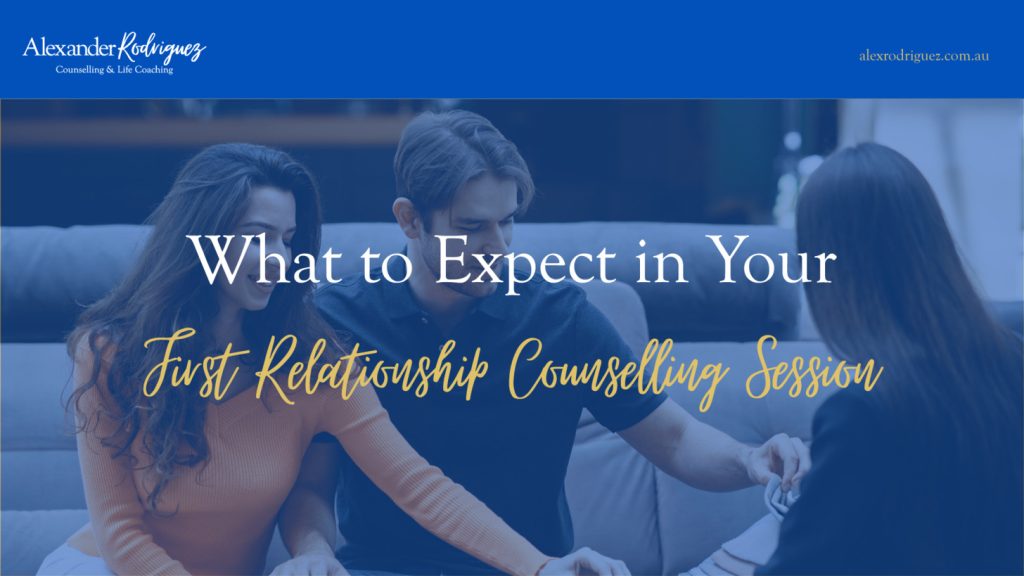
What to Expect in Your First Relationship Counselling Session
As you prepare for your initial relationship counselling session at Alex Rodriguez Counselling & Life Coaching, it is completely normal to feel a mix of nerves, relief, and hope. My job is to make the experience calm, respectful, and useful from the very first minute. I will outline confidentiality and how sessions work so you know exactly what to expect, then give each of you time to share what feels hardest right now and what a better relationship would look like.
Together, we will map the patterns that keep conversations stuck, identify key triggers, and agree on clear goals, whether that is fewer arguments, fairer money talks, rebuilding trust, or more time and closeness. If safety or past breaches of trust are a concern, we will address those first with practical steps and transparent ground rules. You will leave the first session with a simple plan to try at home, such as a brief repair script, a time-out rule that actually works, or a weekly check-in ritual.
You do not need to be perfect to start. What helps most is honesty, curiosity, and a willingness to try new ways of talking and listening. My aim is that you walk out feeling more organised, more hopeful, and more confident about the next steps.
The Initial Assessment Process
The first session typically begins with an initial assessment, where the counsellor will ask questions to understand your relationship dynamics, challenges, and goals. This process is crucial for creating a tailored approach to your needs.
Setting Goals and Creating a Treatment Plan
Following the assessment, you’ll work together with your counsellor to set realistic goals and develop a treatment plan. This collaborative process ensures that you’re both on the same page, working towards meaningful change.
Practical Exercises and Homework
To reinforce the progress made during sessions, your counsellor may suggest practical exercises or homework. These tools help you apply the insights and strategies learned in counselling to your daily life, fostering a stronger connection and understanding between you and your partner.
Key Takeaways:
- Initial assessment to understand your relationship dynamics
- Collaborative goal-setting and treatment planning
- Practical exercises to reinforce progress
How to Choose the Right Relationship Counsellor
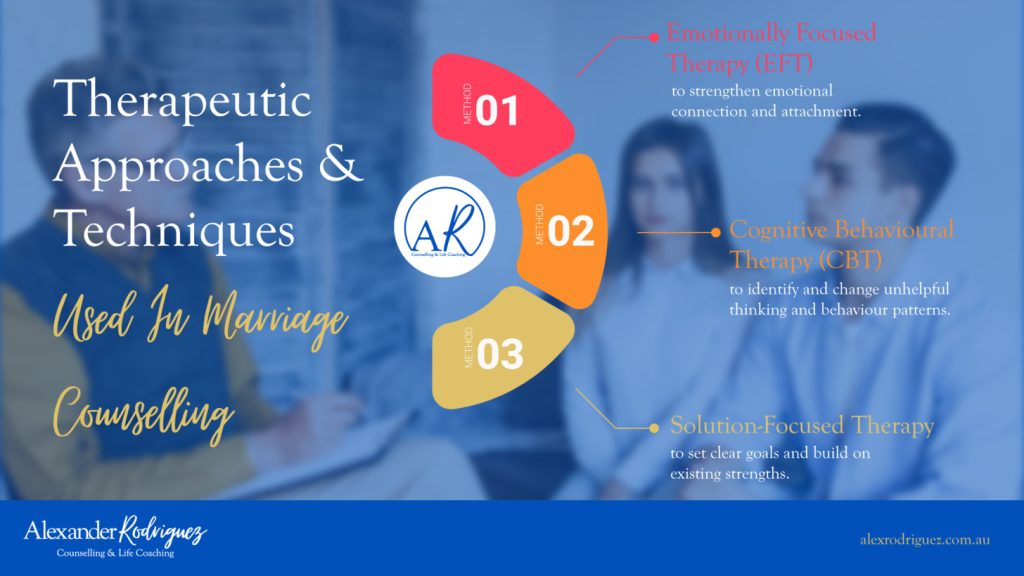
The process of choosing a relationship counsellor in Blacktown becomes easier when you know what to look for. Start with qualifications and experience working specifically with couples, then consider the therapist’s approach, such as Emotionally Focused Therapy, Gottman-informed methods, or CBT for communication and problem solving. Fit matters just as much as credentials, so pay attention to how safe and understood you feel in an initial chat. Practicalities like availability, fees, privacy, and options for after-hours or telehealth also influence how consistent you can be. A short phone call or consult can help you ask about their experience with your concerns, what a first session looks like, and how progress is measured, so you can choose someone who feels like a good match for both of you.
Qualifications and Specialisations to Look For
When searching for a relationship counsellor, qualifications and experience are paramount. Look for a counsellor who is registered with a reputable professional body, such as the Australian Counselling Association. Specialisations in areas like couples therapy or conflict resolution can also be beneficial.
| Qualification | Description | Benefit |
|---|---|---|
| Diploma in Counselling | A foundational qualification in counselling | Ensures a basic level of competency |
| Specialisation in Couples Therapy | Additional training focused on relationship dynamics | Enhances the counsellor’s ability to address relationship issues |
The Importance of Personal Connection and Comfort
Finding a counsellor with whom you feel comfortable is crucial. You need to feel safe and understood to open up about your relationship concerns. A good counsellor will create a non-judgmental space for you and your partner to explore your issues.
Questions to Ask Before Booking Your First Session
Before committing to a counsellor, prepare a list of questions to ask during your initial consultation. These might include inquiries about their approach to therapy, their experience with issues similar to yours, and what you can expect from your sessions.
- What experience do you have in relationship counselling?
- What therapeutic approaches do you use?
- How will we track our progress?
Alex Rodriguez Counselling & Life Coaching: Relationship Experts in Western Sydney
With a comprehensive approach to couples and marriage counselling, Alex Rodriguez Counselling & Life Coaching stands out in Western Sydney. I combine evidence-based methods with practical tools tailored to your goals, so sessions feel clear, respectful, and useful from day one. You can expect a safe space to map what is keeping you stuck, rebuild communication and trust, and agree on realistic steps you can use at home. I offer flexible scheduling, including telehealth, and a confidential, culturally sensitive environment that supports both partners. The focus is on measurable progress, not jargon, so you leave each session with insight, direction, and renewed confidence in your relationship.
Comprehensive Approach to Couples and Marriage Counselling
At Alex Rodriguez Counselling & Life Coaching, I understand that every relationship is unique, and our counselling services are tailored to meet your specific needs. Our comprehensive approach includes:
- Identifying and addressing underlying issues
- Improving communication and conflict resolution skills
- Rebuilding trust and intimacy
- Supporting you through significant life changes
Services Offered: Relationship, Couples, Marriage, and Pre-Marriage Counselling
I offer a range of counselling services to support you and your partner, including relationship counselling, couples therapy, marriage counselling, and pre-marriage counselling. Our services are designed to help you:
| Service | Description | Benefits |
|---|---|---|
| Relationship Counselling | Support for navigating relationship challenges | Improved communication, conflict resolution |
| Couples Therapy | Therapeutic support for couples | Enhanced intimacy, trust rebuilding |
| Marriage Counselling | Counselling for married couples | Strengthened marital bond, conflict management |
Client Success Stories and Testimonials
Our clients have experienced significant improvements in their relationships through our counselling services. Here’s what some of them have to say:
“Alex is great as a couples counseller and I have learnt so much in our sessions these last couple of months. Every session I have learnt a new skill that I can apply to my everyday life ensuring I stay the best version of myself. Thanks Alex for all the wisdom and knowledge!”
How to Book Your Initial Consultation
Ready to take the first step toward a healthier relationship? Book your initial consultation, call me on 0429 220 646, or send a message via the contact page.
Taking the First Step Towards Relationship Healing
Embarking on the journey of relationship healing can be a daunting task, but it’s a crucial step towards creating a stronger and healthier relationship. I understand that taking the first step can be challenging, but it’s a brave and important decision that can lead to a more fulfilling relationship.
You’ve identified the signs that indicate your relationship could benefit from counselling, and now it’s time to take action. By seeking professional help, you can begin to address the issues that have been affecting your relationship. Relationship healing is a process that requires commitment and effort from both partners, but with the right guidance, you can navigate this journey together.
Taking the first step towards relationship healing involves being open to the idea of change and growth. It’s about being willing to work together to rebuild and strengthen your relationship. By doing so, you can create a more positive and supportive partnership that brings joy and fulfillment to both parties.