Category: occupational-therapy

  • Sensory Processing Disorder: How Occupational Therapy Helps

    Sensory Processing Disorder: How Occupational Therapy Helps

    Sensory processing disorder happens when your brain finds it hard to sort and respond to everyday information from your senses, like sound, light, touch, taste, or movement. According to Raising Children Network, sensory challenges affect up to 1 in 6 children across Australia, though it’s worth knowing that sensory processing disorder is not currently an officially recognised medical diagnosis here. Even so, the impact on daily life is very real.

    You might notice sensory processing disorder symptoms such as feeling overwhelmed by loud noises, avoiding certain textures or clothing, or struggling to concentrate in a busy classroom or workplace. For many families, these signs of sensory issues appear early in childhood, but they can also continue quietly into adulthood without the right support in place.

    Whether you’re supporting sensory processing disorder in children or noticing similar patterns as an adult, you’re not alone in finding everyday tasks harder than they should be. Sensory processing disorder adults often manage these challenges without realising there’s a name for what they’re experiencing, since sensory difficulties are still widely misunderstood outside of childhood. This is where occupational therapy can make a real difference. As a form of allied health service, occupational therapy focuses on practical, personalised strategies that help you understand and respond to sensory input in a way that works for you. With the right sensory processing disorder treatment plan, everyday moments like getting through the school day, focusing at work, or feeling comfortable in social settings can start to feel more manageable.

    If sensory challenges are making daily routines harder than they need to be, personalised occupational therapy may help. Alex Rodríguez offers a supportive, judgement-free space to work through what’s going on and find strategies that actually fit your life. Getting started is simple: call 0429 220 646, email info@alexrodriguez.com.au, or book online at a time that works for you. Contact us today to discuss the right support for your needs.

    Key Takeaways

    • Understand how your environment impacts your daily comfort.
    • Discover how personalised support improves your independence.
    • Learn about the seven-step process for managing sensory needs.
    • Access professional care through a trusted allied health service.
    • Build confidence to participate fully in your community.

    Understanding Sensory Processing Disorder and Its Impact

    Sensory processing disorder is when your brain has trouble sorting and responding to the information it receives from your senses, such as sounds, sights, textures, tastes, and movement. Your brain is always working hard behind the scenes to make sense of this information, and when it does this well, you can move through your day without giving it a second thought. But for many people, this process doesn’t always work the way it should. When your brain struggles to organise these signals properly, you might experience sensory issues that make everyday tasks feel overwhelming, confusing, or simply too much to handle. This shows up differently for everyone. Sensory processing disorder in children often looks like meltdowns, food refusals, or covering ears at loud noises, while sensory processing disorder in adults may be noticed as feeling drained after a busy day, avoiding certain environments, or needing quiet time to reset.

    These sensory challenges can affect far more than just your senses. They can influence how you learn, how you connect with others, and how comfortable you feel in everyday spaces like classrooms, workplaces, or busy public areas. Left unaddressed, sensory processing disorder symptoms can also affect confidence, routines, and relationships over time, since so much of daily life relies on the brain filtering sensory input without you having to think about it. The good news is that support is available. A structured sensory processing disorder treatment approach, guided by occupational therapy as part of a broader allied health service, can help you build practical strategies suited to your everyday life, so that daily tasks feel more manageable over time.

    What Sensory Processing Disorder means in everyday life

    For those with this condition, everyday things can feel too much or even hurt. A busy room, the fridge humming, or certain fabrics might really get in the way. These reactions aren’t choices; they’re your body’s way of dealing with too much information.

    How sensory issues can affect movement, attention, communication, and participation

    Managing sensory input can leave your brain with less energy for other things. You might find it hard to move smoothly or keep your focus in a chat. This can make it tough to join in at social events or get work done well.

    Talking can also be hard when you’re feeling overwhelmed. You might struggle to say what you need because your brain is too busy filtering out distractions or dealing with physical discomfort.

    Sensory Processing Disorder in children and adults

    Sensory processing disorder isn’t just for kids; it affects adults too. The way it shows up can change as you grow and your surroundings change.

    Common differences between childhood and adult sensory challenges

    Kids with sensory issues might have meltdowns or avoid certain activities. Adults, on the other hand, might hide their struggles better in work or social settings. While kids might openly show their struggles, adults might feel exhausted from always trying to control their environment.

    Why should support focus on function rather than labelling behaviour

    It’s more helpful to focus on what you need to do well, rather than just labelling your behaviour. Functional support helps find specific ways to make your life easier. By meeting your sensory needs, you can do better at work, socialising, and enjoying your free time without feeling judged.

    Recognising Sensory Processing Disorder Symptoms and Sensory Challenges

    Understanding how your body reacts to the world is key to finding balance in everyday life. Everyone experiences sensory input differently, and there is no single way that sensory processing disorder symptoms show up. Some people feel too much, noticing things like loud noises, bright lights, strong smells, certain fabrics, or crowded environments becoming overwhelming, irritating, or hard to concentrate through. Others feel too little, and these sensory challenges can look like seeking out movement, craving strong flavours or physical pressure, not noticing pain or temperature changes, or finding it hard to sit still for long periods. Many people experience a mix of both, depending on the day, the environment, or how tired they are.

    These patterns can look different depending on age. In children, sensory challenges often show up around routines and transitions, such as meltdowns after school, refusing certain clothing or foods, or covering their ears in noisy spaces, and teachers or parents may notice a child who avoids messy play or seems more sensitive than others their age. In adults, the same underlying patterns tend to look more subtle, showing up as avoiding certain social situations, feeling drained after a busy day at work, or needing quiet time alone to reset before being able to focus again. It’s worth remembering that everyone experiences sensory input differently from time to time. What matters is whether these patterns are consistently making daily life harder than it needs to be, and if that sounds familiar, understanding your sensory profile with the right support can make a real difference.

    Signs of sensory over-responsivity

    If you’re over-responsive, your body might react strongly to things others barely notice. You could feel physically overwhelmed by sounds, lights, or fabrics.

    This can lead to feeling like you’re in a “fight, flight, or freeze” state. You might avoid busy places or get tired easily in crowded areas.

    Signs of sensory under-responsivity and sensory seeking

    On the other hand, some people need more input to feel sensations. You might seem “tuned out” or slow to react, needing more time to process things.

    Others might seek intense sensations to feel grounded. This could mean always moving, fidgeting, or preferring strong flavours and textures.

    How sensory challenges may affect daily routines, work, school, and relationships

    Sensory challenges can affect many areas of your life. From your morning routine to work, they can drain your energy. This leaves less for focus, communication, and managing emotions.

    Examples involving sound, touch, light, movement, taste, and smell

    Sensory input is always there, and it can be a daily challenge. Here are some common experiences:

    • Sound: Finding it hard to ignore the hum of an air conditioner or background chatter in an office.
    • Touch: Feeling extreme discomfort from clothing tags, seams, or specific fabric textures.
    • Light: Being sensitive to fluorescent lighting, which may cause headaches or eye strain.
    • Movement: Feeling dizzy or anxious during simple activities like riding in a car or walking on uneven ground.
    • Taste and Smell: Having strong, visceral reactions to specific food textures or common household scents.

    When sensory issues may indicate that professional support is needed

    Having preferences is normal, but professional help is needed when they limit your life. If sensory issues stop you from working, going to school, or joining in community activities, it’s time to seek help.

    Looking for support is a proactive step towards independence. If your daily life, safety, or ability to connect with others is often affected, an occupational therapist can help.

    Step One: Notice Patterns and Prepare for an Occupational Therapy Assessment

    Before your first appointment, it can help to spend some time noticing patterns in your daily life, or your child’s, around sensory issues and sensory challenges. Documenting these patterns gives your occupational therapist a clearer picture to work from, rather than relying on memory alone during a single session. You might jot down when certain environments feel overwhelming, which textures, sounds, or situations seem to trigger a strong reaction, and how these moments affect your mood, focus, or routine throughout the day.

    A written record, even a simple one, helps build a bigger picture of how sensory processing disorder symptoms show up across different settings, such as home, school, or work. This preparation is not about getting everything perfectly right. It simply gives your therapist a helpful starting point, so the assessment can focus on understanding your specific experience rather than starting from scratch. Taking this small step early on can make the rest of the process feel more collaborative and less overwhelming from the very beginning.

    Record triggers, reactions, and recovery time

    Start a log of moments when you feel overwhelmed. Note the trigger, like a loud noise, and your immediate reaction.

    Also, track how long it takes to calm down. Knowing this helps your therapist create a support plan that fits your needs.

    Describe the activities that are becoming difficult

    Focus on tasks that are hard in your daily life. This could be getting dressed, focusing at work, or attending social events. Being specific helps identify where sensory issues are a problem.

    Gather observations from home, school, work, or community settings

    Sensory needs change in different places. A busy office might affect you differently than a quiet home. Notes from various settings give a full view of your sensory processing disorder symptoms.

    Identify strengths, preferences, goals, and immediate safety concerns

    Your assessment should highlight your strengths and what you enjoy. These are key to building confidence.

    State your therapy goals, like improving focus or reducing anxiety. If you have immediate safety concerns, like balance issues, list them first.

    Observation Category What to Record Why it Matters
    Environmental Triggers Lights, sounds, textures Identifies external stressors
    Physical Reactions Heart rate, muscle tension Shows nervous system state
    Recovery Duration Minutes to hours Measures regulation capacity
    Functional Impact Tasks avoided or missed Highlights participation barriers

    Prepare questions about Occupational Therapy and sensory processing disorder treatment

    Coming with questions can make you feel more in control. You might ask about measuring progress or sensory integration strategies for your lifestyle.

    Don’t hesitate to ask about adapting your treatment plan if your needs change. Being prepared ensures you get the most from your occupational therapy experience.

    Step Two: Understand How Occupational Therapy Assesses Your Needs

    When you start an assessment, you begin a journey towards understanding your sensory world a little better. An occupational therapy evaluation is more than simply watching how you move or react. It aims to uncover the reasons behind your unique experiences with sensory processing disorder and how these patterns are influencing your daily life, whether that’s at home, at school, at work, or in social situations. This process usually involves a conversation about your history, some structured observation, and practical activities designed to show how your nervous system responds to different types of sensory input.

    From there, your occupational therapist can start building a clearer picture of your sensory profile, including where you might be over-responsive, under-responsive, or somewhere in between. This assessment forms the foundation for any sensory processing disorder treatment plan that follows, since the strategies that genuinely help will always depend on your specific needs rather than a one-size-fits-all approach. As part of a broader allied health service, this step is about listening first, so that any support offered afterwards is practical, realistic, and tailored to you.

    Discuss your sensory processing history and functional goals

    Your therapist will listen to your story first. You’ll talk about your sensory challenges and what you want to achieve in therapy. By sharing your goals, you help your therapist focus on what’s important for your independence and happiness.

    Explore how sensory processing affects daily living skills

    Tasks like getting dressed or managing a workspace can be tough when you’re overwhelmed by stimuli. Your therapist will look at how these tasks are affected by your sensory profile. This helps find out what’s stopping you from doing things smoothly.

    Assess movement, coordination, strength, mobility, and regulation

    How we move is linked to how we process sensory information. Your therapist will check your balance, motor skills, and strength. They’ll also see how well you stay calm and regulated during physical activities.

    Consider cognitive, behavioural and emotional responses to sensory input

    Your reactions are not just physical. Your therapist will also look at how you think, feel, and act when faced with too much sensory input.

    Review the impact on home, work, education, and community participation

    Your life is complex, and your sensory needs vary by setting. The assessment will check how your challenges affect your work or school. It also considers your social life and community involvement, making sure no area of your life is missed.

    Understand why assessment findings are used to personalise support

    There’s no single solution for occupational therapy. Your assessment results guide a plan made just for you. This plan focuses on your strengths and needs, ensuring the support you get is both useful and effective.

    Step Three: Build a Personalised Sensory Processing Support Plan

    Once your sensory profile is clearer, the next step is turning that understanding into a plan you can actually use in daily life. A good sensory processing disorder treatment plan is built around your specific needs, not a generic checklist, and it focuses on helping you move from feeling overwhelmed by sensory challenges towards greater confidence and independence. This might include practical strategies for managing busy environments, adjustments to daily routines, sensory tools or equipment, and simple techniques you can use in the moment when things start to feel like too much.

    For sensory processing disorder in children, this often means working closely with parents, carers, or teachers, so that strategies used at home align with what’s happening at school. For adults with sensory processing disorder, the plan tends to focus more on work, social situations, and everyday independence, with strategies that fit realistically into a busy schedule. In both cases, the goal is the same: to make everyday tasks feel more manageable, so you can move through your day with a little more ease and a lot less stress.

    Set practical goals for participation and independence

    Your goals should be about what’s important to you. This could be going to class, doing work tasks, or joining social events. We’ll set clear, achievable goals to boost your confidence. For sensory processing disorder in children, goals often involve play and social activities.

    Choose sensory integration strategies that fit your environment

    It’s important to pick strategies that fit your home, school, or work. We look for tools that help without changing your life too much. For example, noise-cancelling headphones in a busy office or a quiet corner at home can help a lot.

    Plan daily living skills support around your existing routines

    We add support to your daily schedule for consistency. Adding new habits to your routine helps you succeed over time.

    Breaking tasks into manageable steps

    Big tasks can feel like too much. We break them down into smaller steps that are easier to handle. This reduces anxiety and helps you feel accomplished.

    Using visual, verbal and physical prompts appropriately

    Prompts help you stay on track. We might use visual schedules, social stories, or gentle cues. These prompts help you become more independent over time.

    Include functional skill practice for home, school, work and community activities

    Practice is key to building skills. We add practical activities to your plan, like dressing or using public transport. This makes your sensory processing disorder treatment useful for everyday life.

    Strategy Type Focus Area Expected Outcome
    Visual Schedules Daily Routines Increased predictability
    Graded Exposure Sensory Tolerance Reduced anxiety
    Task Analysis Skill Building Greater independence

    Set realistic review points and measures of progress

    We’ll check in regularly to see how your plan is working. These reviews help connect your progress to real changes in your life. For sensory processing disorder in children, we look for better play, social skills, and emotional stability.

    Step Four: Use Sensory Strategies to Manage Everyday Triggers

    Managing your environment well is a key part of supporting sensory processing disorder day to day. Spotting your triggers early, whether that’s certain lighting, background noise, textures, or crowded spaces, makes it easier to create a space that feels calmer and more predictable. This might mean adjusting lighting at home, using noise-canceling headphones in busy environments, planning quiet breaks during a long day, or making small changes to clothing or food textures that tend to cause discomfort. These small, practical sensory processing disorder treatment strategies can add up to a real difference in how manageable each day feels.

    Over time, learning to recognise sensory processing disorder symptoms before they build up gives your nervous system a better chance to stay settled, rather than becoming overwhelmed. For sensory processing disorder in children, this often looks like preparing them for transitions, using visual schedules, or building in sensory breaks throughout the school day. For adults with sensory processing disorder, it might mean setting up a workspace that reduces overstimulation, or having a simple plan in place for stepping away when a busy environment becomes too much. These strategies are not about avoiding the world altogether. They are about giving yourself, or your child, the tools to move through it with a bit more ease.

    Adjust the environment before sensory overload occurs

    Managing noise, lighting, touch, movement and visual clutter

    Making small changes to your space can make a big difference. Using headphones or soft lights can help you stay focused. Clearing clutter reduces brain strain.

    Think about the touch in your space too. Comfortable fabrics and the right temperature can prevent irritation. These simple steps help you stay calm all day.
    Develop a personalised sensory routine

    Scheduling movement, calming activities, and planned breaks

    A routine is like a safety net for your nervous system. Regular breaks help keep you alert and grounded. Consistency is key in making these habits part of your day.

    Make sure to include calming activities like deep breathing in your routine. These breaks help you recharge before you get too tired.

    Use sensory integration activities safely and purposefully

    Choose sensory activities that meet your needs. Whether it’s deep pressure or movement, make sure it’s helpful. Always check how your body reacts to ensure it’s beneficial.

    Practise coping strategies for unavoidable sensory input

    At times, you can’t avoid tough environments. Having coping strategies ready is crucial for handling sensory challenges. Grounding techniques, like focusing on your breath, can help you stay calm.

    Recognise overload and respond with a calm, supportive plan

    Knowing when you’re getting overwhelmed is important. Look out for signs like a fast heart rate or trouble concentrating. Having a plan helps you find a quiet spot or a soothing activity quickly.

    Safety considerations when using movement-based or equipment-based strategies

    When using tools like swings or weighted items, safety first. Always work with a professional to ensure proper use. This avoids risks like falls or unexpected distress, keeping your journey safe and effective.

    Step Five: Strengthen Daily Routines, Independence and Functional Skills

    Starting small can make a real difference to your daily life over time. Rather than trying to change everything at once, it helps to focus on simple, consistent habits that gradually build confidence and independence. Breaking bigger tasks into smaller, manageable steps is a key part of sensory processing disorder treatment, since it allows you, or your child to build success gradually rather than feeling overwhelmed by too much change too soon. This might include practising a morning routine one step at a time, gradually building tolerance to certain textures or environments, or setting small, achievable goals around everyday tasks like getting dressed, eating meals, or settling into a work routine.

    As these habits become more familiar, they often start to ease some of the day-to-day impact of sensory issues, making tasks that once felt difficult a little more automatic over time. For sensory processing disorder in children, this stage is often about building school readiness, self-care routines, and social confidence. For adults with sensory processing disorder, it may focus more on workplace routines, independent living skills, or feeling more settled in everyday environments. The goal throughout is steady, realistic progress, so that daily routines start to feel less like a struggle and more like something you can manage with confidence.

    Build independence and routine support into morning and evening activities

    Having a set daily routine reduces stress and mental tiredness. Visual checklists or timers can help you move smoothly between tasks. Consistency is your greatest ally in gaining independence.

    Practise dressing, grooming, eating, sleep and household tasks

    Learning self-care skills is crucial for feeling in control at home. Whether it’s mastering buttons or creating a calming bedtime routine, these skills give you a sense of control. You can adjust these activities to fit your preferences and energy levels.

    Adapting tasks when touch, texture, balance or coordination is challenging

    If certain textures or movements are too much, you can change how you do them. For example, wearing clothes with smooth fabrics or using weighted tools can make your day easier. Adapting your environment helps you do essential tasks without stress.

    Use functional skill practice to support participation outside the home

    Practising skills in public helps you engage more with the world. You might try shopping in less busy times or using public transport when it’s quieter. This gradual exposure helps you manage sensory issues while reaching your goals.

    Combine strengthening and mobility support with sensory goals

    Physical activity improves how your brain handles body information. Adding movement to your day can boost your regulation and focus. Feeling strong and capable physically also boosts your emotional strength.

    Improving safe movement, body awareness and physical confidence

    Specific exercises can help you understand your body’s position, key for coordination. Yoga or stretching can improve balance and reduce sensory issues. These practices build physical confidence for moving through your day with purpose.

    Adapt home and work functions to reduce barriers

    Small changes to your space can prevent sensory overload. Identifying and avoiding triggers helps you stay productive and well. Proactive planning keeps your energy up all day.

    Workstation, task-sequencing and fatigue-management strategies

    Organising tasks in a logical order helps avoid feeling overwhelmed. Regular breaks are also key to managing fatigue and keeping your nervous system balanced. These sensory processing disorder treatment strategies help you stay focused and independent over time.

    Step Six: Support Emotional Regulation, Thinking and Behaviour

    Managing your emotions often starts with understanding how your senses are influencing your mood in the first place. Sensory processing disorder adults may notice their mood shifting quickly depending on their surroundings, becoming irritable in a noisy office, anxious in a crowded space, or flat and withdrawn after a day of sensory overload. Recognising the link between what your body is feeling and how you are reacting emotionally is an important step towards building a steadier, more stable daily life. Over time, this awareness can help you respond to situations more calmly, rather than feeling caught off guard by emotions that seem to come from nowhere.

    This connection between sensory input and emotional regulation also affects thinking and behaviour, particularly when sensory processing disorder symptoms go unrecognised for a long time. You might notice difficulty concentrating, increased frustration, or a tendency to withdraw from situations that once felt manageable. Working through these patterns as part of an ongoing sensory processing disorder treatment approach can help you build healthier ways of noticing, naming, and responding to what you’re feeling, so that your emotional responses feel less unpredictable and more within your control.

    Learn to identify early signs of emotional dysregulation

    Your body sends signals before you feel overwhelmed. You might feel your heart racing, breathe shallowly, or want to pull away from others. Spotting these sensory processing disorder symptoms early helps you manage stress before it gets worse.

    Create an emotional regulation plan for stressful situations

    Having a plan helps you stay calm in tough times. A good plan acts as a safety net, showing you what to do when you feel stressed.

    Breathing, grounding, movement and predictable transitions

    Simple techniques can reset your nervous system. Deep breathing or focusing on what’s around you can bring you back to the present. Using predictable transitions between tasks also helps reduce anxiety from sudden changes.

    Use cognitive and behavioural strategies to manage sensory challenges

    Your thoughts greatly influence how you handle sensory input. Changing your perspective can alter your reaction to challenging environments.

    Planning, problem-solving, self-monitoring and flexible thinking

    Being proactive is key to success. Use self-monitoring to track your energy. If stuck, break tasks into smaller steps to ease your brain’s load.

    Support communication and co-regulation with family, carers, teachers, and colleagues

    You don’t have to face sensory needs alone. Sharing your needs with others creates a supportive environment for co-regulation. When others know your triggers, they can help keep you calm in busy or loud times.

    Include mental health Occupational Therapy support when sensory issues affect wellbeing

    Sensory challenges can impact your mental health, making you feel overwhelmed or stuck. Occupational Therapy offers a safe space to explore these emotional impacts.

    Responding to anxiety, frustration, avoidance and reduced confidence

    Feeling frustrated when your environment doesn’t meet your needs is common. Therapy builds resilience and confidence, letting you engage with the world on your terms. The table below shows how different strategies help in various situations.

    Strategy Type Primary Goal Best Used For
    Physical Grounding Immediate calm High-stress sensory overload
    Cognitive Planning Reducing uncertainty Complex daily transitions
    Co-regulation Social support Workplace or family interactions
    Self-monitoring Preventative care Managing daily energy levels

    Step Seven: Apply the Plan at Home, Work and in the Community

    Putting your sensory support plan into action is where lasting change really starts to happen. You’ve already built a strong foundation through assessment, planning, and practising new strategies, and now it’s about seeing how these tools hold up in the real settings of your daily life, at home, at work, at school, or out in the community. This might mean using the same calming strategies in a busy supermarket as you would at home, applying sensory breaks during a full day at work, or helping a child use the same routines at school that have worked well at home. Consistency across these different environments is what turns a strategy into a genuine habit.

    This stage is also a chance to notice what’s working well and what might need small adjustments, since real life does not always look exactly like a therapy session. Managing sensory issues in everyday settings often takes some trial and error, and that’s a normal part of the process rather than a sign that something has gone wrong. With ongoing support from your occupational therapist, you can keep refining your approach as your needs change, so that the strategies you’ve learned continue to support you, or your child, well beyond the initial sensory processing disorder treatment plan.

    Practise strategies consistently across different environments

    To see real change, apply your strategies everywhere you go. Whether at work, school, or home, regular use helps your brain adjust. Consistency reinforces positive habits and makes sensory regulation automatic over time.

    Adapt routines for changing demands, transitions, and unexpected events

    Life is unpredictable, and your plan should be flexible. When things change or unexpected events happen, adjust your sensory tools. Being ready for change helps you stay balanced, even when plans don’t work out.

    Coordinate support with family members, carers, educators, and employers

    Success often depends on those around you. For sensory processing disorder in children, clear communication with teachers and family is key. Sensory processing disorder adults may find that sharing their needs with employers or partners creates a more supportive environment.

    Know when injury recovery or chronic condition support may affect sensory needs

    Your physical health can impact how you process sensory input. If you’re recovering from an injury or managing a chronic condition, your sensory tolerance may change. It’s important to notice these changes early so you can adjust your support plan.

    Review what works, what does not and what needs adjusting

    Regular reviews are crucial to keep your plan effective. Take time each month to assess your progress and see which strategies truly help you. The table below offers a simple way to track your success and find areas for improvement.

    Strategy Type Environment Effectiveness Action Required
    Deep Pressure Workplace High Continue usage
    Noise Cancelling Public Transport Moderate Adjust volume
    Visual Schedules Home High Maintain routine
    Movement Breaks School Low Consult therapist

    Access Occupational Therapy Support from Alex Rodriguez Allied Health

    Finding the right professional guidance can make a real difference when you’re navigating sensory processing disorder, whether for yourself or someone in your care. At Alex Rodríguez, we offer a dedicated allied health service designed to help you understand your sensory needs and work towards your own goals, at your own pace. Our approach centres on practical, individual strategies rather than a one-size-fits-all program, so the support you receive genuinely reflects your daily life, your environment, and what matters most to you.

    Through occupational therapy, our focus is on helping you build the skills and confidence to manage sensory challenges in a way that feels realistic and sustainable. We work with individuals, families, and children across Sydney and Parramatta, offering a safe and supportive space to explore what’s going on and develop a personalised plan going forward. Whether you’re looking for support with sensory processing disorder in children or adults, our aim is to help you move towards greater independence, confidence, and ease in everyday life.

    Explore Occupational Therapy services matched to your goals

    We provide a comprehensive range of support options tailored to your specific needs, rather than a one-size-fits-all program. Whether you are seeking help for yourself or a loved one, our occupational therapy programs are built around your personal journey, taking into account your environment, your daily routines, and the specific sensory challenges you’re experiencing. From early assessment through to ongoing strategy development, each stage of support is shaped around what actually matters to you, whether that’s settling into a new routine, feeling more comfortable in social situations, or building greater independence at home, school, or work.

    Our team supports a wide range of needs, including sensory processing disorder in children, sensory processing disorder in adults, and broader sensory issues that affect daily functioning. As part of a wider allied health service, we work alongside individuals and families across Sydney offering practical strategies that fit realistically into everyday life rather than adding extra pressure to it. Whatever stage you’re at, whether you’re just starting to notice patterns or you’re looking to refine an existing plan, our goal is to help you move forward with a personalised approach that genuinely works for you.

    Book an appointment and discuss your sensory processing needs

    Taking the first step toward better support is simple. We invite you to reach out and discuss how our services can assist you in achieving your goals.

    Our friendly team is ready to listen to your story and help you create a plan that works for you. Contact us today to start your journey toward improved function and independence.

    Conclusion

    Managing sensory processing disorder well is an important part of living a more balanced, comfortable daily life, for children and adults alike. When sensory issues are properly understood and supported, it can help improve focus, coordination, emotional regulation, and overall confidence in everyday situations. Every environment you move through, whether it’s home, school, work, or a busy public space, can either support your nervous system or add to the load it’s already carrying. Recognising your own sensory processing disorder symptoms, or noticing them in your child, is often the first step towards making daily life feel a little more manageable.

    Whether you’re navigating sensory processing disorder in children or better understanding your own experience as one of many sensory processing disorder adults, the right support can make a genuine difference. A structured sensory processing disorder treatment approach, guided by occupational therapy as part of a broader allied health service, gives you practical strategies built around your specific sensory challenges, rather than a generic, one-size-fits-all plan. These small, consistent steps, understanding your triggers, building routines, and strengthening emotional regulation, can add up to real, lasting change over time. You don’t need to manage this alone, and reaching out for support is a meaningful step towards a more settled, confident daily life.

    If sensory challenges are making daily routines harder than they need to be, personalised occupational therapy may help. Alex Rodríguez offers a supportive, judgement-free space to work through what’s going on and find strategies that actually fit your life. Getting started is simple: call 0429 220 646, email info@alexrodriguez.com.au, or book online at a time that works for you. Contact us today to discuss the right support for your needs.

    FAQ

    What exactly is Sensory Processing Disorder and how does it affect daily life?

    Sensory Processing Disorder (SPD) is when your brain struggles to handle sensory information. It’s not just being “sensitive.” It’s about how you react to sound, touch, movement, and body awareness. For you, this might mean trouble focusing at work, moving confidently, or talking to others.
    These challenges are not about choosing to behave a certain way. They are physical responses to an overwhelmed nervous system.

    What are the most common sensory processing disorder symptoms I should look for?

    Symptoms vary a lot between people. You might feel physical pain from loud noises, bright lights, or certain textures. Others might need to move or touch things a lot to feel okay.
    Common signs include trouble with coordination, being picky about food textures, or feeling overwhelmed in busy places.

    Is sensory processing disorder in children different from how it appears in adults?

    The core issues are the same, but the impact changes with age. Kids with SPD might have meltdowns, struggle in school, or have trouble playing with friends. Adults might find it hard to work, manage home tasks, or handle social situations.
    At any age, the goal is to improve your independence and wellbeing.

    How can occupational therapy help me manage these sensory challenges?

    Occupational therapy looks at your whole life. They don’t just treat symptoms. They assess how sensory issues affect your daily skills, movement, and emotions.
    Working with a professional at Alex Rodriguez Allied Health, you can get a plan tailored to you. This might include making your environment more comfortable, practicing skills, and learning strategies to stay regulated.

    What does a typical sensory processing disorder treatment plan involve?

    Your treatment plan is made just for you. It might include activities to help your senses, visual schedules, and getting used to different textures or sounds. Your therapist might also help make your home or work space more comfortable.
    They’ll give you strategies to cope when you feel overwhelmed.

    How should I prepare for an initial assessment at an allied health service?

    To make the most of your appointment, keep a record of your sensory challenges for a week or two. Note down what triggers them, how intense your reaction is, and how long it takes to recover. See if these issues are worse in certain places.
    Having questions ready about safety, mobility, and how your progress will be measured helps your therapist create the best plan for you.

    Can sensory strategies help with emotional regulation and mental health?

    Yes. There’s a strong link between your sensory system and emotions. Too much uncomfortable input can lead to anxiety, frustration, or avoiding certain situations. Occupational therapy can include support for mental health to help you manage these feelings.
    By using techniques like grounding, breathing exercises, and routines, you can feel more confident and reduce the emotional impact of sensory issues.

    How do I book an appointment to start addressing my sensory needs?

    To start improving your regulation and independence, contact Alex Rodriguez Allied Health. They offer occupational therapy and allied health services for both children and adults. You can book online or call to discuss your goals and needs.
  • Cardiac Rehabilitation: The Allied Health Team’s Approach

    Cardiac Rehabilitation: The Allied Health Team’s Approach

    Cardiac rehabilitation plays a vital role in recovery after a heart event, and the need for it has never been clearer. According to the Australian Institute of Health and Welfare, there were an estimated 57,100 acute coronary events, including heart attack and unstable angina, among Australians, which works out to around 156 events every single day.

    Cardiovascular disease also remained a leading health concern, accounting for close to 1 in 4 deaths in 2024. If you or someone you love has recently experienced a cardiac arrest or another major heart event, you are far from alone, and the right support can make a genuine difference to how well you recover.

    This is where an interprofessional allied health service can help. A team built around you, including professionals who guide cardiac rehabilitation exercises, alongside support such as occupational therapy, works together to strengthen both your body and your confidence. Rather than facing recovery on your own, you get access to coordinated care that looks at your physical health, your daily function, and your emotional wellbeing side by side. Taking part in a structured cardiac rehabilitation program supports better long-term heart health and helps you feel steady and supported as you work towards getting back to the things you love.

    Ready to Take the Next Step?

    Recovery is easier with the right support around you. Contact Alex Rodríguez to discuss how our cardiac rehabilitation program may help.

    Call 0429 220 646, email info@alexrodriguez.com.au, or book a consultation online today.

    Key Takeaways

    • Access a multidisciplinary team tailored to your specific recovery needs.
    • Improve your heart health through structured exercise and education.
    • Receive emotional support to help you navigate the recovery process.
    • Learn practical strategies to manage your cardiovascular function daily.
    • Enhance your overall quality of life with expert guidance and care.

    Understanding the Role of Cardiac Rehabilitation in Your Recovery

    Cardiac rehabilitation is a structured cardiac rehabilitation program designed to support you after a heart event, a cardiac arrest, or heart surgery. Rather than facing recovery alone, you’re guided by a team who understand what your body and mind have been through. The program is built around you, helping you rebuild strength, confidence, and a sense of control as you move towards everyday life again. Recovery is a gradual process, and this support is there to help you through it, not to rush you.

    At the centre of this approach is a combination of supervised cardiac rehabilitation exercises and practical guidance on managing risk factors that affect your long-term heart health. As part of a broader allied health service, your care may also include occupational therapy, helping you adjust daily tasks and routines in a way that supports your recovery. Together, this team-based approach is designed to help you manage everyday activities with more ease, supporting a stronger, more confident return to the things that matter to you.

    Step One: Getting Your Referral and Initial Assessment

    Your journey through cardiac rehabilitation begins with a referral, usually organised by your cardiologist, GP, or hospital care team following a heart event, procedure, or diagnosis. This first stage, often called the clinical or inpatient phase, typically starts while you’re still in hospital, where your medical team monitors your condition and begins preparing you for the road ahead. Once you’re discharged, moving into outpatient care is an important next step, as this is where a structured cardiac rehabilitation program properly begins.

    Before starting any exercises or therapy sessions, you’ll go through an initial assessment with your allied health team. This assessment looks at your current health, your medical history, any risk factors, and your personal goals for recovery. It’s an important part of the process, as it allows your team to build a plan that’s realistic, safe, and tailored specifically to you. Rather than following a generic program, your care is shaped around your own circumstances, your pace, and what matters most to you as you work towards feeling stronger and more confident again.

    Consulting your GP or cardiologist

    Start by talking to your General Practitioner or cardiologist. They are the first step in your rehabilitation journey. They will give you a referral to a local program. Clear communication with your doctor is key to ensure your team has all the necessary information.

    Don’t be shy to ask about local programs. Your doctor can help pick a service that fits your needs and schedule. Getting this referral early keeps the momentum from your hospital stay.

    What to expect during your first allied health service appointment

    After your referral, you’ll meet with an allied health service provider. This meeting is supportive and informative. The team will assess your physical limits and health goals.

    Expect a detailed review of your heart health, including blood pressure checks. They will also talk about your daily activities. This evaluation is essential for creating a safe, tailored therapy plan for you. The table below shows what you can expect during this first visit.

    Assessment Area Purpose Outcome
    Medical History Review recent events Risk stratification
    Physical Capacity Test baseline movement Safe exercise limits
    Allied Health Service Professional consultation Tailored care plan
    Goal Setting Identify personal needs Actionable milestones

    Step Two: Setting Personalised Goals with Your Care Team

    Once your initial assessment is complete, the next step in your cardiac rehabilitation program is setting clear, personalised goals with your care team. Rather than following a one-size-fits-all plan, your goals are shaped around your own health, lifestyle, and what recovery looks like for you. This gives you a clear roadmap to work towards, helping you stay motivated and focused as you move through each stage of your recovery.

    Goal setting in cardiac rehabilitation isn’t just about medical measures like blood pressure or fitness levels, though these matter too. It’s also about your quality of life, whether that’s returning to work, walking the dog, playing with grandchildren, or simply feeling more confident in your day-to-day activities. With specific, realistic targets in place, you and your care team can track your progress together over time, and adjust your plan as needed to make sure it continues to support you as your recovery develops.

    Identifying your physical and emotional milestones

    Your recovery is about both physical and mental wellbeing. You might aim for tangible physical milestones, like increasing your daily walking distance or improving your stamina during light exercise.

    Just as important are your emotional milestones. These could be reducing anxiety, gaining confidence in your heart health, or feeling more comfortable in your daily routines.

    Collaborating with the multidisciplinary team

    You’ll work with a diverse team to make sure your goals fit your lifestyle and plans. This collaborative approach means every part of your care is tailored to you.

    Your team includes physiotherapists, dietitians, and psychologists. They help turn your personal goals into achievable steps.

    Goal Category Example Milestone Primary Benefit
    Physical Walking 30 minutes daily Improved cardiovascular fitness
    Emotional Reduced stress levels Better mental resilience
    Functional Returning to light gardening Increased independence

    Step Three: Engaging in Safe Cardiac Rehabilitation Exercises

    Exercise can feel daunting after a heart event, and that’s completely understandable. The good news is that cardiac rehabilitation exercises are designed with your safety as the top priority, closely supervised by professionals who monitor your heart rate, blood pressure, and overall response throughout each session. Rather than being left to guess what’s safe, you’re guided step by step, with your program adjusted as your strength and confidence grow.

    These exercises are a core part of cardiac rehabilitation, helping to gradually build your endurance, support your heart’s function, and improve your overall fitness over time. Sessions usually combine supervised aerobic activity, such as walking or cycling, with light strength-based exercises, all tailored to your current ability and medical history. As you progress through your program, many people find they’re able to return to everyday activities, hobbies, and routines with a greater sense of confidence and control over their recovery.

    Starting with low-intensity movement

    Your journey starts with gentle, low-intensity activities. These activities are designed to safely get your blood flowing. Common activities include brisk walking or light cycling.

    It’s more important to be consistent than to push too hard at first. Steady, rhythmic movement helps your heart adapt slowly. This is key to effective cardiac rehabilitation.

    Monitoring your heart rate and exertion levels

    Learning to listen to your body is crucial. Your team will teach you to use the Rate of Perceived Exertion (RPE) scale. This helps you stay in a safe zone for fitness.

    You’ll also learn to check your pulse to keep it in a target range. Keeping a log of your activities and feelings helps your next check-up.

    Safety precautions for home-based activity

    Exercising at home can make you worry about safety. But cardiac rehabilitation is very safe. Studies show only one cardiac arrest per 111,996 exercise hours. Always warm up and avoid extreme temperatures to stay safe at home.

    Activity Level Intensity Description Physical Signs
    Low Easy movement Able to hold a full conversation
    Moderate Noticeable effort Can speak in short sentences
    High Challenging Cannot speak comfortably

    If you feel chest pain, dizziness, or can’t breathe, stop right away. Keep your phone close and let someone know you’re exercising. These steps help your progress stay safe and steady.

    Step Four: Nutritional Guidance for Heart Health

    What you eat plays a significant role in your recovery, working alongside your cardiac rehabilitation exercises to support your heart health from the inside out. Good nutrition helps your body repair itself, maintain steady energy levels, and manage risk factors such as cholesterol, blood pressure, and weight, all of which matter for long-term heart health. As part of your cardiac rehabilitation program, you may receive general guidance on eating patterns that support recovery, alongside referral to a dietitian or nutrition specialist where appropriate.

    Rather than a strict or one-size-fits-all diet, the focus is usually on practical, sustainable changes you can build into everyday life, such as eating more vegetables, choosing healthier fats, and reducing processed foods where possible. Your care team can help you understand how nutrition fits into your broader recovery plan as part of a wider allied health service, working alongside your exercise program and other support. Making these adjustments gradually, with guidance, can help you feel more in control of your health as you continue your recovery journey.

    Working with a dietitian to manage cholesterol and blood pressure

    A dietitian is a key part of your healthcare team. They make sure you eat well with actionable, delicious meal plans that fit your needs. They focus on foods that are good for your heart, like healthy fats and fibre.

    They help you eat right for your cardiac rehabilitation exercises without getting tired. They teach you how to read food labels and avoid bad stuff like hidden salts or sugars. This helps keep your heart healthy and strong.

    Practical tips for heart-healthy Australian meal planning

    Eating well for your heart doesn’t mean giving up taste. You can make your favourite dishes healthier by choosing fresh, local ingredients and lean proteins. Add more legumes, whole grains, and omega-3-rich fish to your diet.

    Small changes can make a big difference. Here’s a table to help you make better choices at the grocery store:

    Food Category Common Choice Heart-Healthy Swap Benefit
    Cooking Fats Butter Extra Virgin Olive Oil Reduces saturated fat
    Snacks Salted Nuts Raw, Unsalted Almonds Lowers sodium intake
    Proteins Processed Deli Meat Grilled Chicken Breast Supports muscle repair
    Grains White Bread Wholegrain Sourdough Increases fibre content

    By making these simple changes, you help your heart stay healthy. Remember, being consistent is important. Your dietitian will support you as you balance your diet with your cardiac rehabilitation exercises.

    Step Five: Managing Stress and Mental Wellbeing

    Recovering from a heart event isn’t just physical; your mental wellbeing matters just as much. It’s completely normal to feel anxious, low, overwhelmed, or unsure of yourself during this time, and these feelings are a valid part of the recovery process, not a sign that something is wrong with you. Your care team understands that emotional wellbeing and physical recovery are closely connected, and that how you’re feeling can genuinely affect your progress through cardiac rehabilitation.

    As part of a well-rounded allied health service, support for stress and mental wellbeing may be included alongside your physical recovery, whether through counselling support, practical coping strategies, or simply having space to talk through what you’re experiencing. Occupational therapy can also play a role here, helping you adjust daily routines in ways that reduce stress and support a steadier sense of normalcy as you heal. You’re not expected to manage this alone, and reaching out for support is a strength, not a setback.

    The role of psychologists in your cardiac recovery

    Psychologists are key to your recovery team. They offer a safe place to deal with the emotions after a big health event. Studies by Milani et al. show that psychological support can lower depression in heart event patients.

    Working with a professional can help you find healthy ways to cope. They guide you through the “new normal” and help you become stronger. You don’t have to face these feelings alone, as your emotional health is a priority for your team.

    Techniques for managing anxiety after a cardiac arrest

    Having a cardiac arrest can be scary, and worrying about your health is common. You can take back control with techniques that calm your mind. Simple things like deep breathing, mindfulness, and regular exercise can really help reduce stress.

    The table below shows some ways to take care of your wellbeing:

    Strategy Primary Benefit Application
    Mindfulness Meditation Reduces immediate stress Daily 10-minute sessions
    Graded Exercise Builds confidence after cardiac arrest Supervised movement
    Cognitive Reframing Lowers anxiety triggers Working with a psychologist
    Support Groups Decreases social isolation Weekly peer meetings

    Remember, patience is key in your recovery. Taking small steps towards mental health can help your physical health too. If you’re struggling with anxiety, always talk to your GP or cardiac nurse.

    Step Six: Occupational Therapy for Daily Living

    Getting back to your everyday life after a heart event often starts with small, practical changes, and this is where occupational therapy plays an important role. Rather than focusing purely on medical recovery, occupational therapy looks at how you manage daily tasks at home, such as showering, dressing, cooking, or moving around safely, and works with you to make these activities feel more manageable and less draining on your energy and confidence.

    As part of a broader allied health service, your occupational therapist works alongside the rest of your cardiac rehabilitation team, helping you pace yourself, conserve energy, and gradually rebuild independence without putting unnecessary strain on your heart. This might include practical strategies for managing fatigue, adjusting your home environment, or planning your day in a way that supports both recovery and quality of life. The goal is to help you feel confident and comfortable in your own home again, at a pace that suits you.

    Adjusting your home environment for energy conservation

    Your home should be a place of rest, not stress. An occupational therapy specialist can show you how to save energy. They might suggest rearranging your kitchen to avoid bending or reaching.

    Adaptive equipment can also help a lot with daily tasks. Tools like long-handled reachers or shower chairs make things easier. These changes help you conserve your energy for what’s important.

    Task Traditional Method Energy-Saving Strategy
    Laundry Carrying heavy baskets Using a trolley or cart
    Cooking Standing for long periods Sitting on a high stool
    Cleaning Deep scrubbing Using long-handled tools

    Returning to work and hobbies safely

    Going back to work and hobbies is a big step in your recovery. It’s key to have a structured plan to avoid overworking your heart. Your care team will help you increase your activities slowly.

    Begin by breaking down work tasks into smaller parts. For hobbies like gardening or sports, start with short sessions. Listening to your heart is the best way to stay safe while enjoying your life again.

    Step Seven: Understanding Your Medications and Monitoring

    Managing your medications correctly is an important part of your cardiac rehabilitation program, supporting your heart as it heals and helping to reduce the risk of future complications. Your cardiologist or GP will prescribe and manage any medications you need, and it’s important to take these as directed and raise any questions or side effects with them directly, since medication decisions sit with your prescribing doctor rather than your allied health team.

    Alongside this, ongoing monitoring is a normal part of cardiac rehabilitation, with your care team tracking your blood pressure, heart rate, and overall progress throughout your program. This regular check-in process helps your team understand how you’re responding to treatment and adjust your rehabilitation plan where needed. Understanding why each medication matters and how monitoring fits into your recovery can help you feel more informed and confident as you move through this process, working in partnership with your healthcare providers.

    Pharmacist support in your cardiac rehabilitation program

    Your local pharmacist is a valuable resource for your medication routine. They teach you about each tablet and why you need it. This knowledge prevents drug interactions that could slow your progress.

    For those on multiple medications, a medication management plan is helpful. Pharmacists can set up blister packs or reminders to help you stay on schedule. This keeps your treatment on track and gives you peace of mind.

    Recognising warning signs and when to seek help

    It’s important to watch your body closely, just like taking your medicine. Learn to spot small health changes that might mean you need to see a doctor. Always listen to your body if you feel tired, dizzy, or have chest pain.

    Knowing the difference between normal recovery symptoms and urgent ones is key. If you feel like you did during a cardiac arrest, don’t wait. Call emergency services right away if you notice:

    • Sudden or severe shortness of breath.
    • Pain or pressure in the chest that does not subside.
    • Fainting or feeling lightheaded for no clear reason.
    • Rapid or irregular heartbeats that cause distress.

    Clear communication with your doctor is crucial for your safety. Keep a log of your daily symptoms and any side effects. Sharing this during check-ups helps your team tailor your care for the best results.

    Step Eight: Building Long-Term Lifestyle Habits

    You’ve put in real work to get to this point, and this final step is about carrying that progress forward. Rather than treating cardiac rehabilitation as something that ends, this stage focuses on turning what you’ve learned, whether that’s exercise, nutrition, stress management, or medication routines, into lasting habits that continue to support your heart for years to come.

    Consistency is what helps your progress stick. Many people find it helpful to stay connected with their allied health team even after their formal cardiac rehabilitation program finishes, whether through periodic check-ins, community-based exercise groups, or ongoing support as new challenges come up. Building these habits into your everyday life, at a pace that feels sustainable, is one of the most effective ways to protect your long-term heart health and continue living well.

    Transitioning from supervised sessions to independent exercise

    Stepping away from a clinical setting might seem scary, but it shows you’re getting stronger. You’re now ready to lead your own fitness journey. This means self-monitoring your heart rate and how hard you’re working during every exercise. Always stay within the safe zones you learned in your formal program.

    Being consistent is key to lasting success. Try to exercise at the same time every day to make it a habit. Always tell your GP or specialist about your exercise routine. Ongoing medical supervision is crucial for your long-term heart health.

    Maintaining social connections and support groups

    Recovery is easier when you’re not alone. Connecting with others who have faced similar health issues can offer invaluable emotional support and motivation. Whether it’s a local walking group or an online forum, these groups help you feel less isolated.

    Sharing your journey with others lets you celebrate small victories and face challenges together. These social connections are as important as your physical exercise for your overall wellbeing. By staying active in your community, you strengthen the positive habits from your cardiac rehabilitation and build a strong support network for the future.

    Step Nine: Navigating the Australian Healthcare System

    Understanding how cardiac rehabilitation fits within the Australian healthcare system can make it easier to access the support you need. In Australia, cardiac rehabilitation programs are available through public hospitals, community health services, and some private providers, with referrals typically coming from your cardiologist, GP, or hospital care team. Despite strong evidence that these programs support recovery, research shows that only around 20% to 50% of eligible patients in Australia actually participate in a cardiac rehabilitation program, meaning a significant number of people miss out on support that could genuinely help their recovery.

    There are a few reasons uptake remains low, including limited program availability in some areas, work or family commitments, transport difficulties, or simply not knowing what options are available. Understanding your options, including outpatient hospital programs, community-based services, and allied health providers offering tailored support, can help you find a pathway that fits your circumstances. If you’re unsure where to start, speaking with your GP, cardiologist, or an allied health service directly can help clarify what’s available to you locally and how to access it.

    Accessing public versus private rehabilitation services

    Public hospital services are free, making them easy to access. These programs are run by teams in the hospital where you first got care. Public services are great for ongoing care, but wait times can vary.

    Private services offer more flexibility and a personal touch. They might have shorter wait times. The right cardiac rehabilitation program depends on your needs, location, and budget.

    Utilising Medicare and private health insurance benefits

    Your GP is key in planning your finances. They can set up a Chronic Disease Management Plan. This plan helps you get Medicare rebates for allied health services, cutting costs. Always ask your doctor about this plan for your recovery.

    If you have private health insurance, check if it covers rehab services. Many insurers offer rebates for physio or exercise sessions in your cardiac rehabilitation program. Using Medicare and private insurance together can help you afford quality care.

    Conclusion

    Your journey towards better heart health doesn’t end when your formal cardiac rehabilitation program finishes; it continues in the everyday choices you make from here on. Whether your recovery began after a cardiac arrest, a heart procedure, or another heart event, cardiac rehabilitation has equipped you with practical tools to support your physical, emotional, and nutritional wellbeing moving forward.

    Recovery is an ongoing process, not something that happens overnight, and that’s completely normal. Staying consistent with your cardiac rehabilitation exercises, alongside the practical strategies you’ve built through occupational therapy, can help you continue managing daily life with confidence and ease. Your allied health service team remains a valuable source of support as you continue to adapt, whether that means fine-tuning your exercise routine, managing stress, or simply checking in on how you’re progressing.

    Being kind to yourself and staying consistent with your heart-healthy habits is one of the most valuable things you can do for your long-term wellbeing. If you’d like guidance, support, or a fresh perspective on your recovery at any stage, reaching out to your local allied health service is a good place to start. Your heart, and your overall wellbeing, deserve ongoing care and attention as you continue moving forward with confidence.

    Ready to Take the Next Step?

    Recovery is easier with the right support around you. Contact Alex Rodríguez to discuss how our cardiac rehabilitation program may help.

    Call 0429 220 646, email info@alexrodriguez.com.au, or book a consultation online today.

    FAQ

    What exactly is a cardiac rehabilitation program and how will it benefit me?

    A cardiac rehabilitation program helps you recover after a heart event or surgery. It improves your heart function and reduces future risks. You’ll get support from experts at the Heart Foundation to get back to your daily life.

    How do I get started with an allied health service for my heart health?

    Start with a referral from your GP or cardiologist at places like St Vincent’s Hospital. This lets you access a team for a detailed assessment. They’ll create a plan just for you.

    Are cardiac rehabilitation exercises safe to do if I am still feeling weak?

    Yes, they’re safe and tailored to your fitness level. You’ll start with gentle exercises like walking or cycling. Clinical exercise physiologists will watch your heart rate to keep you safe.

    How can occupational therapy help me return to my normal routine at home?

    Occupational therapy helps you regain independence. Your therapist will teach you how to conserve energy and adapt your home. This way, you can do daily tasks safely and without getting too tired.

    Why is it important to see a psychologist after experiencing a cardiac arrest?

    Experiencing a cardiac arrest can be very stressful. Psychologists help you manage anxiety, depression, and stress. They ensure your mental health is a priority during recovery.

    Can a dietitian really help me manage my blood pressure and cholesterol?

    Yes, a dietitian can help you create a heart-healthy meal plan. They give you tips on changing your diet to lower blood pressure and cholesterol. You won’t feel like you’re on a strict diet.

    How does the Australian healthcare system support my access to these services?

    You can get support through public and private systems. Medicare benefits can help with costs. Private health insurance with providers like Bupa can also cover some services.

    What happens when I finish my supervised sessions?

    After supervised sessions, you’ll learn to exercise on your own. Your team will help you keep up healthy habits. They might suggest joining groups like Heart Foundation Walking to stay active and connected.
  • Art Therapy: Creative Ways to Process Trauma

    Art Therapy: Creative Ways to Process Trauma

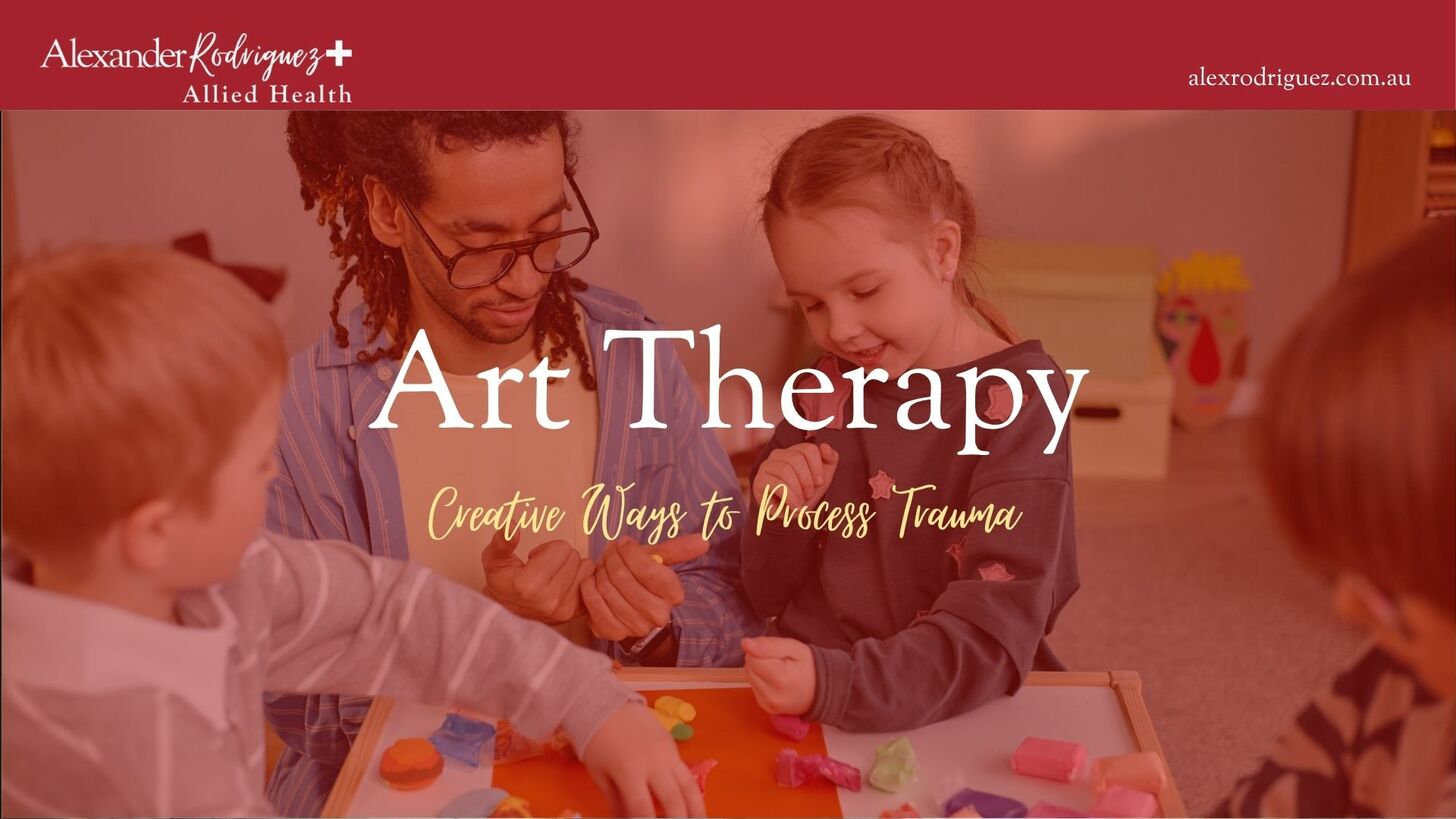
    Art therapy can be one of the gentlest and most effective ways to help your child work through big emotions, especially after a hard or traumatic experience. According to the Australian Institute of Health and Welfare (AIHW), an estimated 314,000 children aged 4 to 11 across Australia, almost 14%, experience a mental disorder, with anxiety among the most common conditions affecting young people today.

    If you have ever wondered what is art therapy and how it fits into your child’s wellbeing, it is a form of psychological therapy that uses creative activities like drawing, painting, and sculpting to help kids express feelings they may not yet have the words for. As part of a broader allied health service, art therapy offers a calm, low-pressure way to process trauma, build coping skills, and feel understood.

    When your child struggles to talk about what they are feeling, art therapy activities can open a door that words alone cannot. These sessions are often used alongside a psychology service or counselling, helping children manage stress, sadness, or fear in a way that feels safe and age-appropriate. The benefits of art therapy go beyond creative play. It can support mental health, including feelings of worry and low mood, and it is increasingly used as part of art therapy for anxiety in children who find it hard to sit still and talk through emotions the traditional way. If your family is in Sydney, understanding these options early can help you find the right support and give your child practical tools to build resilience, one creative step at a time.

    If your child is going through a difficult time and you feel art therapy for children could offer some support, you do not have to work it out alone. Book a consultation with Alex Rodríguez to talk through the right kind of support for your child’s needs, whether that is art therapy, psychology, or another form of personalised allied health support. You can call 0429 220 646, email info@alexrodriguez.com.au, or book online through our booking page to enquire about available services.

    Key Takeaways

    • Art therapy uses drawing, painting, and creative activities to help children express emotions they can’t put into words.
    • It offers a safe, non-verbal way for kids to process trauma at their own pace.
    • Trauma often shows up as behaviour or mood changes, not words.
    • A calm, judgement-free space helps children feel safe during art therapy activities.
    • Art therapy supports emotional regulation and coping skills, helping with art therapy for anxiety and art therapy for mental health.

    Understanding the Role of Art Therapy

    When words are not enough to explain how a child is feeling, art therapy can step in as a gentle bridge to healing. You might find yourself wondering, what is art therapy exactly? It is a form of psychological therapy that uses creative activities such as drawing, painting, and sculpting to support a child’s emotional wellbeing. Many children find it hard to share deep or painful feelings through words alone, and talk-based approaches can sometimes feel confronting or overwhelming, especially for younger children or those who have been through a difficult experience. Art therapy offers another way in, allowing them to express what they are feeling without needing to explain it out loud.

    In a safe and supportive space, your child can explore their emotions at their own pace, using simple art therapy activities like drawing, painting, or clay work to bring feelings to the surface that might otherwise stay hidden. This process can help your child turn confusing or overwhelming experiences into something they can see, understand, and begin to work through. The benefits of art therapy go beyond creative play, supporting mental health, including low mood, worry, and emotional overwhelm, and offering a practical option for art therapy for anxiety in children who find it hard to sit still and talk through their feelings. Often used alongside a psychology service, counselling, or other allied health service support, art therapy does not replace these approaches. It works alongside them, giving your child more than one way to feel heard, supported, and understood.

    What is art therapy?

    You might ask, what is art therapy? It’s a way to help people feel better using art. It uses drawing, painting, and sculpting to support mental health.

    This method doesn’t just use talking. It lets children express themselves through art. It’s a safe space for them to explore their feelings.

    Why creative expression helps young minds

    Creative expression is key in art therapy. It lets them show feelings without words. This is especially helpful for kids who struggle to talk about their feelings.

    Through art, children can start to learn how to cope. It helps them deal with hard emotions in a way that feels right for them.

    Feature Traditional Talk Therapy Art Therapy
    Primary Method Verbal communication Visual and tactile media
    Emotional Access Direct questioning Symbolic expression
    Pressure Level High (requires vocabulary) Low (focus on process)
    Best For Logical processing Trauma and sensory regulation

    In the end, art therapy connects a child’s inner world to the outside. It helps them take charge of their healing in a way that feels natural and supportive.

    Recognising Signs of Trauma in Children

    Spotting the signs of trauma in your child is an important step towards their healing, even though it is not always easy to know what you are looking for. Children often cannot explain their pain in words, so it tends to show up through changes in their behaviour, mood, or daily habits instead. You might notice your child becoming more withdrawn, clingy, or easily upset, or see changes in their sleep, appetite, or concentration. Some children become irritable or have sudden outbursts of anger, while others regress to younger behaviours, avoid certain places or people, or complain of physical symptoms like headaches or stomach aches with no clear medical cause. These signs do not always mean your child has experienced trauma, but they can be a sign that your child is struggling and may benefit from some extra support.

    If you notice these changes, it is worth remembering that these are not something to diagnose on your own, and a conversation with a qualified professional can help you understand what your child needs. This is where art therapy can play a helpful role. As a form of psychological therapy, art therapy offers a gentle way for kids to process what they are feeling when they are not yet able to put it into words. Through simple art therapy activities, children can begin to express and work through difficult emotions in a safe, non-verbal way. The benefits of art therapy include supporting art therapy for mental health concerns such as low mood and emotional overwhelm, and it is often used as part of art therapy for anxiety in children who find it hard to talk about what is bothering them. Alongside a psychology service or other allied health service support, art therapy can be one part of helping your child feel safe, understood, and supported as they heal.

    Common emotional and behavioural indicators

    Your child might pull back or lose interest in favourite activities. Heightened anxiety is common when they face triggers from the past. These signs show their mind is trying to deal with tough experiences.

    Look out for sleep problems, sudden anger, or steps backward in growth. Every child is different in how they handle trauma. Watching for these signs helps you offer the gentle support they need to feel safe.

    When to look for professional psychology services

    While creative activities at home can help, sometimes you need expert help. If your child’s symptoms persist or affect school and home life, it’s time to seek help. Talking to a psychologist can be a safe place for them to talk about their feelings.

    Getting your child into professional psychological therapy can help a lot. Art therapy is especially good for kids with PTSD. By getting help early, you help your child build resilience and improve their emotional health.

    Preparing a Safe Creative Space

    Creating a safe and predictable space is a key part of getting the most out of art therapy. A dedicated area, even a small corner of a room, gives your child a sense of structure and consistency that can help them feel calm and ready to create. Children often feel more grounded when they know what to expect, so keeping the same space, materials, and general routine each time can make a real difference. This does not need to be anything elaborate. A table with paper, crayons, paint, or clay, free from distractions and interruptions, is often enough to help your child settle in and feel comfortable exploring their thoughts and feelings.

    Just as important as the physical space is the emotional environment you create around it. Your child needs to feel that this is a place without judgement, where there is no right or wrong way to create, and where their feelings will be met with patience and acceptance. This sense of safety is part of what makes art therapy effective as a form of psychological therapy, allowing children to open up in ways they may not be able to elsewhere. Simple art therapy activities, such as drawing how they feel or creating something that represents a difficult day, can become easier and more meaningful once your child feels secure. Over time, this consistency and safety support the benefits of art therapy, including art therapy for mental health and art therapy for anxiety, and can work well alongside guidance from a psychology service or other allied health service as part of your child’s broader wellbeing support.

    Setting up a calming environment at home

    Choose a quiet, clutter-free spot in your home for this. A space without distractions helps your child focus. Soft lighting and comfy seating can make it feel even more calm and safe.

    Keep art supplies organised and easy to find. This makes it simple for your child to start creating. It builds a positive association with the space, showing it’s for healing and discovery.

    Establishing boundaries for emotional safety

    Clear boundaries are crucial for art therapy. Tell your child this space is a judgment-free zone. This lets them express their feelings without fear.

    Keeping these boundaries helps the creative process stay therapeutic. Use the table below to set up your home for these sessions.

    Feature Goal Implementation
    Location Privacy Choose a low-traffic room
    Lighting Comfort Use warm, natural light
    Supplies Accessibility Keep tools within reach
    Boundaries Safety Define as a non-judgmental zone

    Your role is to be a supportive guardian of this space. Consistently upholding these boundaries gives your child the stability they need. This thoughtful setup helps them grow emotionally through art therapy.

    Step-by-Step Art Therapy Techniques for Processing Trauma

    When a child cannot find the words for their pain, art can help bridge the gap towards healing. Art therapy offers a safe, structured space for kids to explore difficult feelings without needing to explain them out loud. Techniques often start simply, such as free drawing, where your child draws whatever comes to mind without any set theme, giving them room to express emotions at their own pace. From there, art therapy activities may include feelings charts drawn as colours or shapes, safe place drawings where your child creates an image of somewhere they feel calm and secure, or storytelling through pictures, where a sequence of drawings helps them work through a difficult memory or experience in stages they can manage.

    Sessions are usually guided by a qualified professional who adjusts the approach to suit your child’s age, personality, and needs, since every child processes trauma differently. Consistency and patience matter more than moving quickly through techniques, and progress can look different for every child. As part of a broader psychological therapy approach, this step-by-step process is designed to support art therapy, including art therapy for anxiety, by helping children build emotional awareness and coping skills over time.

    Step 1: Establishing a non-judgmental connection

    Building a strong, trusting bond is key. You need to make your child feel completely safe to express themselves freely. These art therapy techniques focus on being present, not perfect, to make your child feel valued.

    Step 2: Using drawing to externalise difficult feelings

    Drawing lets kids turn their feelings into something tangible. Through art therapy activities, they can express fears or sadness. This helps them see their emotions and talk about them.

    Step 3: Clay modelling for sensory regulation

    Clay helps kids feel grounded when they’re anxious. The act of shaping clay provides essential sensory input. It helps them reconnect with their bodies and find calm.

    Step 4: Storytelling through collage and mixed media

    Collage and mixed media let kids tell their stories through symbols and images. By mixing textures and pictures, they create a visual story. This art therapy helps them regain control over their narrative and build resilience.

    Art Medium Primary Benefit Best For
    Drawing Externalisation Identifying specific emotions
    Clay Sensory Regulation Reducing physical anxiety
    Collage Narrative Building Processing complex life events

    Choosing the Right Materials for Emotional Expression

    Choosing the right supplies plays a big part in making art therapy activities enjoyable, calming, and easy for your child to engage with. Materials that feel good to touch and use, such as soft crayons, chalk pastels, finger paints, or modelling clay, can help create a sense of comfort and safety during art therapy. Some children feel more settled with materials that are easy to control, like coloured pencils or markers, while others benefit from messier, more tactile options like paint or clay, which can help release feelings that are harder to put into words. There is no single right choice. What matters most is offering a small range of accessible materials that your child feels drawn to, without overwhelming them with too many options at once.

    The goal is not to create a polished piece of art, but to give your child a comfortable way to explore and express what they are feeling. Simple, open-ended materials often work best, since they do not require any particular skill and allow your child to lead the process in a way that feels natural to them. This approach supports the wider aims of art therapy as a form of psychological therapy, helping children process emotions at their own pace within a safe and predictable space.

    Selecting sensory-friendly art supplies

    Using sensory-friendly supplies helps regulate your child’s nervous system. Soft pastels, clay, and textured papers provide a grounding feeling during tough times.

    These materials let children express complex feelings without needing words. By choosing gentle-on-the-senses supplies, you help them connect deeply with the creative process and avoid frustration.

    Adapting tools for different developmental stages

    It’s also crucial to adapt tools for your child’s developmental stage. Younger kids might like chunky crayons or big brushes, while older kids might prefer fine-liner pens or watercolours.

    Tools that match their abilities make them feel capable and confident. This thoughtful approach to art therapy activities lets your child focus on their feelings, not the tools.

    Watch how your child reacts to different items to find what comforts them most. By creating a toolkit that balances emotional safety with creative freedom, you support their healing journey.

    Supporting Your Child Through the Creative Process

    When your child takes part in art therapy, the support you offer at home matters just as much as the sessions themselves. You do not have to be an artist or a therapist to help. What your child needs most is a parent or carer who can create a safe, non-judgemental space where they feel free to express themselves without fear of being corrected or criticised. This might mean sitting quietly nearby while they create, avoiding questions like “what is that supposed to be,” and letting them lead the process in their own time and their own way.

    Your role is to be present, patient, and accepting, rather than to interpret or fix what your child creates. Some days they may want to talk about their artwork, and other days they may not, and both responses are okay. This kind of steady, low-pressure support helps reinforce the safety that makes art therapy effective as a form of psychological therapy, allowing your child to keep exploring their feelings between sessions as well as during them. Simple encouragement around art therapy activities at home, alongside professional guidance from a psychology service or wider allied health service, can help support ongoing art therapy for mental health and art therapy for anxiety, giving your child consistent care as they work through what they are feeling.

    Active listening and validation techniques

    Active listening is more than just hearing words. It’s about seeing the emotions behind the art. Sit quietly and give your full attention when your child is creating.

    Instead of asking “What is that?”, say something like, “I notice you are using a lot of red here,” or “Tell me about how it feels to draw those lines.” This lets your child share their story in their own way. It shows them their feelings are valid and important.

    How to respond to challenging artwork

    Sometimes, the art from art therapy can be intense or dark. It’s okay to feel concerned, but stay calm and curious. Your job is to support their emotions, even when they’re hard to see.

    If you see artwork that looks aggressive or sad, don’t criticise it. Ask gentle questions like, “That looks like a very strong feeling. Would you like to talk about it?” This empathetic response makes your child feel understood and safe to keep exploring their feelings.

    Creating is often more important than the final art. By being supportive and patient, you help your child feel confident on their healing journey. Your consistent support is crucial for successful art therapy.

    Benefits of Art Therapy for Mental Health and Anxiety

    When children create, many find a natural rhythm in the process that can feel calming and grounding. Repetitive, hands-on activities like painting, drawing, or working with clay give the mind something steady to focus on, which can help ease feelings of stress or overwhelm in the moment. For a child who is anxious or carrying the weight of a difficult experience, this kind of focused, sensory activity can offer a welcome sense of relief and safety, even if only for a short while. Over time, this steady practice may support art therapy for anxiety, helping children build a greater sense of calm and control over their emotions.

    The benefits of art therapy extend beyond the time spent creating. As a form of psychological therapy, art therapy gives children practical tools they can carry with them, including ways to notice, name, and express what they are feeling before it becomes too big to manage. For many children, this can support art therapy for mental health more broadly, including difficulties with low mood, worry, or emotional regulation. At Alex Rodríguez Allied Health, art therapy is offered alongside a wider psychology service and allied health service, working as one part of a broader, personalised approach to a child’s wellbeing rather than a standalone solution. Every child responds differently, and progress can look different for each family, so working with a qualified professional can help ensure the right kind of support is in place.

    Reducing symptoms of anxiety through flow states

    You might notice your child gets lost in a project. This state, called a flow state, is great for managing stress. It helps the brain move from being too aware to a calm, regulated state.

    This change is a key benefit of art therapy for kids with anxiety. As they focus on the task, their physical tension fades. Regular art therapy for anxiety helps the brain learn to return to this calm state more easily.

    Building resilience and self-esteem

    These creative practices also build emotional strength over time. When a child finishes a piece of art, they feel a real sense of achievement. This boosts their self-esteem and shows them they can handle challenges with confidence.

    The table below shows how different approaches help your child grow:

    Feature Traditional Talk Therapy Art Therapy
    Primary Focus Verbal processing Sensory and visual expression
    Engagement Cognitive Creative and physical
    Outcome Logical understanding Emotional regulation
    Suitability Older children All developmental stages

    By adding art therapy for mental health to your child’s routine, you give them a way to express their feelings without words. This empowering approach helps them healthily process their experiences.

    When to Seek Professional Allied Health Support

    When children create, many find a natural rhythm in the process that can feel calming and grounding. Repetitive, hands-on activities like painting, drawing, or working with clay give the mind something steady to focus on, which can help ease feelings of stress or overwhelm in the moment. For a child who is anxious or carrying the weight of a difficult experience, this kind of focused, sensory activity can offer a welcome sense of relief and safety, even if only for a short while. Over time, this steady practice may support art therapy for anxiety, helping children build a greater sense of calm and control over their emotions.

    The benefits of art therapy extend beyond the time spent creating. As a form of psychological therapy, art therapy gives children practical tools they can carry with them, including ways to notice, name, and express what they are feeling before it becomes too big to manage. For many children, this can support art therapy for mental health more broadly, including difficulties with low mood, worry, or emotional regulation. At Alex Rodríguez Allied Health, art therapy for children is offered alongside a wider psychology service and allied health service, working as one part of a broader, personalised approach to a child’s wellbeing rather than a standalone solution. Every child responds differently, and progress can look different for each family, so working with a qualified professional can help ensure the right kind of support is in place.

    Identifying the need for specialised intervention

    Get expert help if your child’s distress lasts a long time or affects their daily life. Signs like acute emotional outbursts, not wanting to be with friends, or big changes in sleep and eating are warning signs.

    Acting fast is crucial for better results later. If your child can’t control their feelings, even with your help, it’s time to see a professional. They can offer psychological therapy made just for them.

    The role of psychosocial support services

    Psychosocial support services offer a full plan for your child’s well-being. They mix creative activities with clinical strategies. This way, your child gets holistic support for their feelings and social growth.

    Combining art therapy for mental health with other treatments creates a strong support system for your family. Working with a team ensures your child gets the right psychological therapy at every step of their recovery.

    Support Level Primary Focus Best For
    Home-Based Self-expression and bonding Mild stress and daily regulation
    Allied Health Clinical goal setting Moderate emotional challenges
    Specialised Care Acute symptom management Severe or complex trauma

    How Alex Rodriguez Allied Health Can Assist Your Family

    At Alex Rodríguez Allied Health, every family is met with care, patience, and a personalised approach to support. Whether your child is processing a difficult experience, managing anxiety, or simply needing a safe space to express how they feel, the focus is on creating an environment where your child feels heard, respected, and supported at their own pace. Art therapy is offered as part of a broader range of allied health services and psychology service options, allowing support to be shaped around your child’s specific needs rather than a one-size-fits-all approach.

    Working with Alex Rodríguez means having access to psychological therapy that combines creative, practical, and compassionate methods, including art therapy activities designed to help children explore and process what they are feeling. The goal is not to rush your child through their emotions, but to walk alongside them and your family, offering art therapy for mental health and art therapy for anxiety support that is thoughtful, consistent, and tailored to your child. If you are looking for a safe and supportive space to help your child work through what they are experiencing, personalised support is available to guide that process.

    Our range of allied health support services

    We offer a wide allied health services to meet your child’s unique needs. Our skilled professionals provide Occupational Therapy services, Mental Health allied health support, and Psychosocial support services. This ensures your child gets the best care.

    If your child needs Functional Capacity assessments or Emotional wellbeing support, we’re here. Our team uses proven methods to help your child manage their emotions with confidence.

    Accessing behaviour and lifestyle support

    We also focus on Behaviour and lifestyle support to help your child succeed in everyday life. Our capacity-building supports are designed to boost independence and enhance quality of life.

    Our Community participation support helps your child connect with the world. This ensures all aspects of your child’s growth are supported by our psychology service.

    Contacting Alex Rodriguez Allied Health

    Ready to talk about how we can help your family? Contact our friendly team. Call us at 0429 220 646 with any questions.

    Booking your appointment

    Booking is easy through our online booking portal. Just visit https://www.alexrodriguez.com.au/booking/ to pick a time that suits you. We’re excited to work with you on this journey.

    Conclusion

    Art therapy can be a meaningful way to support children as they process trauma and build emotional strength over time. By making creative expression part of your child’s routine, you give them a safe way to explore their feelings and better understand their own inner world. Healing is rarely quick, and it looks different for every child, but each small step your child takes through creative expression is a step towards feeling more understood and supported.

    You do not have to navigate this alone. If you feel your child could benefit from extra support, personalised, compassionate care is available to help children explore and process what they are feeling. Taking the first step, whether that is trying a simple creative activity at home or reaching out for professional guidance, is a meaningful way to support your child’s emotional wellbeing and your family’s journey together.

    If your child is going through a difficult time and you feel art therapy could offer some support, you do not have to work it out alone. Book a consultation with Alex Rodríguez Allied Health to talk through the right kind of support for your child’s needs, whether that is art therapy, psychology, or another form of personalised allied health support. You can call 0429 220 646, email info@alexrodriguez.com.au, or book online through our booking page to enquire about available services.

    FAQ

    What is art therapy and how can it help my child process trauma?

    Art therapy is a way to help your child express feelings through art. It uses painting, drawing, and sculpture. This method is great for kids because it doesn’t need words.
    It lets them show hidden feelings in a safe place. This helps them learn to cope with hard times.

    What are the primary benefits of art therapy for a child’s mental health?

    Art therapy does a lot of good for kids. It helps them understand themselves better and control their feelings. It also helps them feel calm and confident.
    This makes them more resilient and ready to face challenges.

    Can art therapy techniques help with my child’s anxiety?

    Yes, it can. Art therapy for anxiety helps kids focus on their art. This reduces their stress and anxiety.
    Techniques like clay modelling and rhythmic drawing help them stay present. This lowers their stress levels.

    What specific art therapy activities can we try to encourage emotional expression?

    There are many art therapy activities for kids. Drawing helps them show hard feelings. Clay modelling is great for feeling grounded.
    Collage and mixed media let kids tell their stories through pictures. This helps them process their feelings without words.

    When should I transition from home-based support to a professional psychology service?

    If your child’s behaviour changes suddenly or they withdraw, it’s time to seek help. Professional therapy offers more support. It ensures your child gets the right care for their needs.

    How does Alex Rodriguez Allied Health support families needing psychosocial assistance?

    Alex Rodriguez Allied Health offers a range of services for families. They provide NDIS-supported services for behaviour and lifestyle support. They help your child thrive and build emotional strength.
  • A Simple Guide to Choosing an Occupational Therapist

    A Simple Guide to Choosing an Occupational Therapist

    Occupational therapist support is something more Australians are turning to each year. According to the Occupational Therapy Board of Australia, there are now over 34,000 registered occupational therapists practising across the country, a number that has grown steadily as more people seek help with daily living, recovery, and independence.

    Whether you’re based in Sydney or elsewhere in Australia, finding the right occupational therapy support can make a real difference to how you manage everyday tasks, whether that’s recovering from an injury, adjusting to a long-term condition, or simply building better routines. With so many practitioners now registered, knowing how to choose the right one for your needs is more important than ever.

    This guide is here to make that decision easier. You’ll learn practical steps for how to find an OT who understands your goals, what to ask before booking a session, and what to expect from occupational therapy support once you get started. We’ll also cover what a registered occupational therapist actually does, and how this fits alongside broader allied health support, so you can feel confident rather than overwhelmed. By the end, you should have a clearer sense of what matters most when choosing a therapist, and how to take that first step towards feeling more supported in your day-to-day life.

    Choosing the right support can feel like a big step, but you don’t have to work it out on your own. Alex Rodríguez is here to support you with practical, personalised care shaped around your goals. Book a consultation online, call 0429 220 646, or email info@alexrodriguez.com.au to get started.

    Key Takeaways

    • Confirm your occupational therapist is registered with AHPRA before booking
    • Choose someone who takes time to understand your goals, not just your diagnosis
    • Ask questions early about their approach and communication style
    • Pick support that realistically fits your lifestyle and daily routine
    • Reach out whenever you’re ready; there’s no need to have it all figured out first

    Understanding the Role of an Occupational Therapist

    An occupational therapist plays a practical role in helping you manage the everyday tasks that matter most to you. Rather than focusing only on a diagnosis or condition, occupational therapy looks at how you function day to day, and what might be getting in the way, whether that’s getting dressed, cooking, returning to work, or simply feeling more capable at home. Occupational therapy support is built around your specific goals, so whether you’re recovering from an injury, adjusting to a new diagnosis, managing a disability, or navigating the changes that come with ageing, an occupational therapist works alongside you to create practical strategies that fit your life.

    It’s also worth understanding what “registered” means in this context. A registered occupational therapist in Australia is registered with the Australian Health Practitioner Regulation Agency (AHPRA), meaning they’ve met the required training, qualification, and professional standards to practise, which is an important thing to check when working out how to find an OT you feel comfortable with. Occupational therapy also sits within the wider picture of allied health support, often working alongside other professionals such as psychologists or counsellors, so understanding this bigger picture can help you see how it might fit into your own wellbeing journey.

    What does an occupational therapist actually do?

    An “occupation” means any activity you do daily, like cooking or going to work. An occupational therapist helps you overcome barriers to doing these tasks. They offer practical solutions to help you with simple tasks like buttoning a shirt or navigating your home safely.

    How occupational therapy support improves your quality of life

    Occupational therapy can change your recovery and long-term well-being by adjusting your daily routines. These experts create a plan that fits you, considering your environment and goals. With allied health support, you get the tools to stay independent and thrive at home.

    This approach is more than physical movement; it’s about finding your purpose. When you can do what matters most, your life quality soars. You should feel capable and supported in every part of your day.

    Identifying Your Specific Needs and Goals

    Before any plan is put in place, your occupational therapist will take the time to understand your daily life, not just your diagnosis or condition. This usually starts with a conversation about what a typical day looks like for you, what feels manageable, and what feels difficult or exhausting. This process often involves creating what’s known as an occupational profile, a summary of your history, current routines and habits, the things you value, and the goals you’re working towards, whether that’s work, study, relationships, hobbies, or independence at home.

    Taking this step matters because no two people need the same kind of support. Two people recovering from similar injuries, for example, might have very different goals, one focused on returning to physical work, the other on managing energy levels at home with young children. By understanding these differences early, your occupational therapy plan can be shaped around what’s realistic and meaningful for you, which also helps ensure any broader allied health support you receive is working towards the same goals from the very first session.

    Assessing your daily living skills support requirements

    Your day is filled with important tasks. We examine how you handle things like getting dressed, grooming, and cooking. This helps us see where you might need extra help.

    This isn’t just about what you can do now. It’s about understanding your environment and how it affects your well-being. We focus on your strengths and find ways to overcome challenges.

    Determining if you need functional skill practice

    At times, you might need to practice specific tasks to do them safely and well. Functional skill practice helps you get closer to being more independent. It’s especially helpful if you’re recovering from an injury or managing a long-term condition.

    The table below shows how we categorise support needs. It helps you see where our services can help the most:

    Support Category Focus Area Expected Outcome
    Daily Living Personal care and hygiene Increased independence
    Functional Skills Task-specific movements Improved safety and efficiency
    Environmental Home and work setup Reduced physical strain
    Goal Setting Personal aspirations Clearer path to progress

    Evaluating Qualifications and Registration

    When looking for the right support, it’s worth checking that your occupational therapist is registered with the Australian Health Practitioner Regulation Agency (AHPRA). This registration reflects that they’ve met the required education, training, and clinical standards needed to practise in Australia. You can check this directly on the AHPRA website, which lists all registered practitioners and their current registration status.

    Choosing a registered occupational therapist can help give you a clearer sense of confidence in the support you’re receiving, since it means their qualifications and ongoing professional development have been reviewed against national standards. It’s a simple but important step, and one that’s easy to do before your first appointment, so you can feel more informed and comfortable with your choice.

    Why you should choose a registered occupational therapist

    A registered occupational therapist has completed tough studies and tests. They pass a big exam set by groups like the National Board for Certification in Occupational Therapy (NBCOT). This exam scores from 300 to 600, and you need at least 450 to pass.

    Working with a registered expert means you get safe and reliable strategies made just for you. This isn’t just a title; it’s a promise to practice ethically. It means your therapy is based on proven methods, not guesses.

    Checking credentials and professional experience

    Before starting, make sure to check your chosen expert’s credentials. You should know about their training and experience with your health issue. A good practitioner will happily share their background and qualifications with you.

    In Australia, it’s easy to see if your occupational therapy provider is licensed. Checking this gives you peace of mind. Remember, your health is the most important thing, and checking these details is a simple way to ensure you get the best care.

    Exploring the Range of Available Services

    Allied health support covers a broad range of services designed to help with different aspects of your daily life, health, and wellbeing. This can include occupational therapy, counselling, psychology-related support, and life coaching, each focusing on different needs but often working well together depending on your situation. Knowing what’s available can make it easier to understand where to start, especially if you’re not yet sure exactly what kind of support you need.

    For example, occupational therapy support might focus on daily living skills, recovery after injury, or adapting your environment, while counselling or psychology-related support might focus more on emotional wellbeing, stress, or mental health. Exploring these options isn’t about choosing everything at once; it’s about understanding what’s out there so you can make an informed decision about what fits your goals right now, with the option to explore further support later if needed.

    Specialised support for emotional regulation and sensory integration

    Managing your health is key to your daily life. This includes taking meds and going to doctor’s appointments. For many, emotional regulation is tough, but our team offers occupational therapy support to help.

    If you find it hard to handle your surroundings, sensory integration can help. It keeps you calm and focused. This way, you can better interact with the world.

    Assistance with cognitive and behavioural strategy support

    Cognitive and behavioural strategies can be a helpful part of occupational therapy support, especially when it comes to daily routines and independence. These strategies often work by breaking bigger tasks down into smaller, more manageable steps, making everyday responsibilities feel less overwhelming.

    This kind of support can help with things like:

    • Staying focused on important tasks and appointments
    • Building coping strategies to support emotional regulation
    • Keeping track of medications and health related information
    • Working through challenging social or workplace situations

    Adding this kind of occupational therapy support to your routine may help you feel more confident in managing daily life. Your therapist will work with you to build a plan around your specific needs and goals, rather than a generic approach.

    Considering Physical and Mobility Support Needs

    If you’re managing a new injury, a long-term condition, or changes in mobility, occupational therapy support can help you find practical ways to move through your day with more confidence. This might involve looking at how you get around your home, manage stairs or uneven surfaces, or complete everyday tasks that have become harder than they used to be. The focus is on finding realistic, workable solutions rather than expecting things to feel the same as before.

    An occupational therapist can also help you think about how mobility affects your ability to take part in things outside the home, whether that’s visiting family, getting to appointments, or joining in community activities. Support in this area is often about small, practical adjustments that add up over time, helping you feel more capable and connected, rather than promising a quick fix.

    Strengthening and mobility support for better movement

    Improving strength and mobility often starts with exercises tailored to your specific needs and goals. As part of allied health support, this approach focuses on safe, practical methods designed to help you move with more confidence in everyday life. There are generally three main areas this support may focus on:

    • Remedial exercises: Activities designed to help rebuild strength and capacity over time
    • Preventive strategies: Practical steps aimed at reducing the risk of falls or future complications
    • Functional training: Movements based on real, everyday tasks, so progress feels relevant to your daily life

    This kind of occupational therapy support is built around what matters most to you, whether that’s moving safely around your home, staying active, or feeling more capable in your day to day routine.

    Injury recovery support and chronic condition management

    Recovering from an injury or managing a chronic condition needs care and patience. Sometimes, the best way is to find new ways to do things while keeping your independence.

    Adding occupational therapy support to your routine can help manage pain and fatigue. This allied health support lets you adjust your environment and habits. It keeps your long-term health a priority. With the right plan, you can stay independent and do what’s important to you.

    Finding the Right Fit for Your Lifestyle

    Finding an occupational therapist who understands your day-to-day life can make a real difference to how comfortable you feel with the process. Everyone’s routines, priorities, and challenges look different, so it helps to work with someone who takes the time to understand your specific circumstances, rather than applying a generic approach. This might include your work schedule, family responsibilities, cultural background, or simply how you prefer to communicate.

    When your care plan reflects your actual lifestyle, it tends to feel more manageable and realistic to follow. Occupational therapy support that fits naturally into your daily habits is often easier to stick with, since it’s built around what’s already achievable for you, rather than adding extra pressure. Taking the time to find this kind of fit early on can make the overall experience feel more supportive and less overwhelming.

    Independence and routine building support at home

    Your home is where you spend most of your time. It’s the perfect place for meaningful growth. Good occupational therapy helps you build daily habits for long-term health.

    Together, you can find routines that boost your confidence. This personalised approach makes sure your therapy goals are part of your daily life.

    Home and work function support for your environment

    Your surroundings can help or hinder your success. Good occupational therapy looks at your home and work spaces to meet your needs.

    Whether it’s small changes at home or ergonomic tweaks at work, these adjustments help you perform better. Reducing environmental barriers lets you focus on what’s important. It makes sure your space supports you, not hinders you.

    How to Find an OT Who Aligns With Your Values

    Choosing the right occupational therapist involves more than checking qualifications; it also means finding someone whose approach feels right for you. This might come down to how they communicate, how much time they take to listen, or whether they show a genuine interest in understanding your goals rather than following a fixed process. A good starting point is asking questions during an initial consultation, such as how they typically work with clients, or how they adjust their approach based on individual needs.

    Learning how to find an OT who respects your values and circumstances often comes down to trusting your own instincts as well. If you feel heard, respected, and comfortable asking questions, that’s often a good sign you’re on the right track. It’s okay to take your time with this decision, since finding the right fit can make a meaningful difference to how supported you feel throughout the process.

    The importance of a friendly and collaborative approach

    Good occupational therapy support starts with trust and respect. It’s not just about following research; it’s about applying it to your life and values. A friendly, collaborative approach makes you feel empowered to help in your care.

    When your therapist values your input, you’re both on the same journey. This collaborative partnership leads to better results because plans are made just for you. You should work with someone who listens, understands, and values you at every step.

    Questions to ask during your initial consultation

    Your first meeting is a chance to see if a professional fits your needs. Ask direct questions to make sure they meet your expectations. Here are some important questions to ask:

    • How do you incorporate my personal goals into our occupational therapy support plan?
    • Can you explain how you balance clinical evidence with my specific lifestyle preferences?
    • What does a typical session look like when we are working on my functional skills?
    • How do you measure progress to ensure we are meeting my desired outcomes?
    • What is your preferred method for communicating between our scheduled appointments?

    By asking these questions, you understand the therapist’s approach and how they communicate. Remember, you know your life best. Finding a professional who respects that is crucial for your success and wellbeing.

    The Benefits of Choosing Alex Rodriguez Allied Health

    At Alex Rodríguez Allied Health, you’re supported by a team that genuinely listens and takes the time to understand your goals. Rather than a one-size-fits-all approach, support is shaped around your specific needs, whether you’re working with an occupational therapist, exploring counselling, or looking into broader allied health support. The aim is to create a safe and supportive space where you feel comfortable working through challenges at your own pace, and this is part of what matters when you’re figuring out how to find an OT you feel genuinely comfortable with.

    Choosing occupational therapy support through Alex Rodríguez Allied Health means having access to practical strategies designed around your daily life, not just generic advice. Working with a registered occupational therapist means your support is guided by recognised training and professional standards, so you can feel confident in the care you’re receiving. Occupational therapy here is approached with a focus on what’s realistic and sustainable for you, whether you’re focused on recovery, building confidence, or developing new skills for everyday tasks.

    Comprehensive mental health occupational therapy support

    Alex Rodríguez offers comprehensive mental health occupational therapy support to help you manage challenges with confidence. We see mental health as more than just symptoms; it’s about how you function daily. Our evidence-based strategies help you reach your personal goals.

    Our approach is holistic, focusing on your emotional and practical needs. Whether you’re facing life changes or stress, we provide tools for you to thrive. You deserve care that looks at the whole person, not just one part of your health.

    Why our personalised approach makes a difference

    Choosing us means getting a service that focuses on your unique needs. We avoid generic solutions because we know everyone is different. Every plan we make is tailored to your lifestyle and goals.

    Our client-centred care sets us apart in allied health. We work with you to make sure every strategy is achievable and meaningful. By highlighting your strengths, we help you gain independence and long-term confidence for everyday success.

    Navigating the Booking and Referral Process

    Getting started with occupational therapy support is often more straightforward than people expect. In many cases, you can book directly without needing a referral, though some funding pathways, such as NDIS or a GP care plan, may require one. If you’re unsure whether a referral applies to your situation, it’s worth asking directly when you first get in touch, so you know exactly what’s needed before your first appointment.

    Once you’ve decided to book, the process is designed to feel simple and manageable. This usually involves an initial conversation to understand your goals, followed by scheduling a time that works for you. At Alex Rodríguez Allied Health, the team aims to keep this process clear and unhurried, so you can focus on getting the right support rather than navigating complicated admin.

    How to get started with your therapy journey

    Choosing a registered occupational therapist sets you on a path to success. The therapy process has three phases: evaluation, intervention, and outcomes. These stages make sure your care is focused and effective for your needs.

    Wondering how to find an ot that fits your needs? It starts with a simple inquiry. You might need a referral from your GP, but we’ll help with that. We want you to know what to expect every step of the way.

    Phase Focus Area Primary Goal
    Evaluation Initial Assessment Identify specific needs
    Intervention Skill Development Implement tailored strategies
    Outcomes Progress Review Measure success and growth

    Getting in Touch with Alex Rodriguez Allied Health

    Reaching out to Alex Rodríguez Allied Health is often the first step towards feeling more supported in your daily life. If you’ve been thinking about finding an OT who takes the time to understand your specific situation, our team is here to help guide you through that process.

    Whether you have questions about occupational therapy, want to understand how allied health support might fit your needs, or you’re simply not sure where to start, getting in touch is a good place to begin. There’s no pressure to have everything figured out beforehand, we’re happy to talk it through with you.

    Contacting us via phone

    You can speak directly with our friendly staff by calling 0429 220 646. We are happy to answer any questions you have about our services or the support we provide. Calling us is often the fastest way to discuss your specific requirements with a registered occupational therapist.

    Accessing our online booking portal

    For those who prefer digital convenience, you can visit our online booking portal at https://www.alexrodriguez.com.au/booking/. This platform allows you to schedule your initial consultation with a registered occupational therapist at a time that suits your busy lifestyle. It is a simple and efficient way to secure your appointment without needing to wait on the phone.

    Method Best For Response Time
    Phone Immediate queries Instant
    Email Detailed questions Within 24 hours
    Online Portal Booking appointments Real-time

    We look forward to hearing from you soon. Whether you call, email, or book online, we are ready to help you start your journey toward greater independence and well-being.

    Conclusion

    Choosing the right occupational therapist is an important part of supporting your daily life and independence. As we’ve covered throughout this guide, it’s not just about checking credentials; it’s also about finding someone whose approach fits your values, lifestyle, and goals. Taking the time to find this kind of fit can make the overall experience feel more supportive and manageable, rather than something you’re navigating alone.

    Working with a registered occupational therapist who genuinely listens can make a meaningful difference in how you approach challenges, whether that’s recovery, daily living skills, or building greater independence. If you’ve been exploring how to find an OT who understands your unique situation, reaching out is often the first step. There’s no need to have everything figured out before getting in touch; support is there to help you work through it, one step at a time.

    Choosing the right support can feel like a big step, but you don’t have to work it out on your own. Alex Rodríguez is here to support you with practical, personalised care shaped around your goals. Book a consultation online, call 0429 220 646, or email info@alexrodriguez.com.au to get started.

    FAQ

    How do I know if I need occupational therapy support?

    If daily tasks like dressing or managing work duties are hard due to injury, illness, or aging, you might need occupational therapy. Our team at Alex Rodriguez Allied Health can help you assess your needs and build a plan for independence.

    How to find an OT that is right for my specific condition?

    Look for an OT with experience in your specific health goals, whether physical rehabilitation or mental health support. Always check they are a registered occupational therapist in Australia to ensure high standards of care.

    What is involved in allied health support at Alex Rodriguez Allied Health?

    Our allied health support includes strengthening, mobility, sensory integration, and cognitive and behavioural strategy support. We provide a holistic approach to ensure both your physical and mental well-being are addressed.

    Can a registered occupational therapist help with home modifications?

    Yes! A registered occupational therapist provides home and work function support, including assessing your environment and recommending modifications. These changes help you navigate your space safely and maintain your daily living skills support routines.

    Is functional skill practice part of the therapy process?

    Absolutely. Functional skill practice is a core component of our therapy. It involves practicing specific, real-world tasks—like using kitchen utensils or navigating stairs—to ensure you can perform them safely and effectively in your everyday life.

    How do I book an appointment with Alex Rodriguez Allied Health?

    You can easily schedule your consultation through our online booking portal at https://www.alexrodriguez.com.au/booking/. Alternatively, you can call us on 0429 220 646 to start your journey with a registered occupational therapist.
  • What Is a Psychometric Assessment? A Simple Guide for Beginners

    What Is a Psychometric Assessment? A Simple Guide for Beginners

    A psychometric assessment can be a helpful starting point when you want to understand more about who you are and how your mind works. Mental health support matters more than ever, with one in five Australians (21.5 percent, or around 4.3 million people) experiencing a mental health condition each year, according to the Australian Bureau of Statistics.

    A psychometric assessment test can offer real insight into your personality, thinking patterns, and emotional strengths. It is not about labelling you or defining who you are. It is about helping you build a clearer picture of yourself, so you can move forward with more confidence.

    What is a psychometric assessment practice actually like, and what is a psychological report you might receive at the end of it? In simple terms, the process brings together structured questions, guided tasks, and professional support to complete a thorough mental health evaluation. It is often used as part of a wider psychology service or allied health service, working alongside counselling, coaching, or occupational therapy to support your overall wellbeing. Whether you are exploring this for personal growth or working through a specific challenge, this guide will walk you through what to expect, step by step, in a way that feels simple, supportive, and easy to follow.

    Clarity starts with one conversation. If you are curious about what a psychometric assessment could mean for you, book yours today with Alex Rodriguez.

    Book an appointment, call 0429 220 646, or email info@alexrodriguez.com.au to enquire.

    Key Takeaways

    • A psychometric assessment offers clear insight into your personality and thinking style.
    • It’s a starting point, not an endpoint, in your mental health journey.
    • Results are explained through a simple psychological report.
    • A psychology service can help guide meaningful next steps.

    Understanding the Basics of a Psychometric Assessment

    A psychometric assessment is more than just a test. It is a structured way to understand how your mind works, how you process information, and how you respond to different situations. Rather than guessing or relying on assumptions, a psychometric assessment test uses evidence-based tools to give you a clearer, more objective picture of your strengths, thinking style, and behaviour patterns. These tools are built on established psychological research, which means the results are grounded in science rather than personal opinion. This is what sets a proper psychometric assessment practice apart from casual online quizzes or personality tests you might find on social media.

    Once the assessment is complete, you are usually provided with a summary of your results, which brings us to what a psychological report is. This report pulls your responses together in plain language, explaining what your results may mean and how they relate to your everyday life, so you do not need any clinical background to make sense of it. A psychometric assessment is often just one part of a broader mental health evaluation, meaning it is rarely used on its own. It usually works alongside a conversation with a professional, who can add context to your results within the setting of a wider psychology service, which may also sit under a broader allied health service, working together with support such as counselling, occupational therapy, or life coaching.

    Defining the assessment process

    The process starts with a structured method. It aims to capture your cognitive and emotional state accurately. Unlike casual talks, it uses evidence-based questions for reliable results. It’s like a roadmap for tackling personal and professional challenges.

    The role of standardisation in testing

    Standardisation is key in a psychometric assessment. It makes sure everyone is judged the same way. This removes bias found in subjective interviews. So, your results truly show your abilities, not external factors.

    What these assessments measure in your daily life

    These tools check various skills that affect your daily life. They look at problem-solving and personality traits. By spotting these patterns, you get objective insights for future decisions. Knowing this makes the testing process clearer and shows why consistency is crucial.

    Feature Subjective Interview Psychometric Assessment
    Data Type Qualitative/Opinion Quantitative/Scientific
    Consistency Variable Highly Standardised
    Bias Risk High Low
    Primary Goal General Rapport Objective Measurement

    Why You Might Need a Mental Health Evaluation

    Understanding yourself can change how you face daily challenges. Life can be tough, and there are times when working through things alone feels overwhelming. A mental health evaluation acts like a bridge, connecting what you are experiencing with practical support that actually fits your situation. Rather than leaving you to guess what might help, it gives you a clearer starting point based on real information about how you think, feel, and respond to stress. You might consider a mental health evaluation if you are feeling persistently overwhelmed, stuck in unhelpful patterns, or unsure why certain challenges keep resurfacing in your life. It can also be useful if you are preparing to start counselling or another form of support and want a clearer picture of what is going on before you begin.

    In many cases, a psychometric assessment forms part of this evaluation, helping to identify patterns in your thinking, emotions, or behaviour that might not be obvious on the surface. Exploring your wellbeing this way is a meaningful step, not a small one. It is not about being given a label or a diagnosis for its own sake. It is about finding the right tools and support to help you thrive, whether that is through a psychology service, counselling, or another form of personalised care. Taking this step often brings a sense of relief, simply because you finally have language and structure around what you have been carrying.

    Identifying patterns in your behaviour

    We often do things without noticing. You might avoid social events or get stuck in negative thoughts. Recognising these patterns is the first step to change.

    Seeing these patterns lets you choose a new path. A professional can help you understand and manage these habits.

    Gaining objective insights into your mental state

    It’s easy to get lost in your feelings when you’re overwhelmed. A mental health evaluation offers a clear view. You get feedback on why you feel certain ways.

    This clarity helps you focus on strategies that work for you. You move from self-doubt to a structured plan for your mental health.

    When to seek professional guidance

    Reaching out for help is a sign of strength. If your usual ways of coping don’t work, it’s time for a professional’s view. Look for these signs:

    • Your daily routine is disrupted by worry or sadness.
    • Your usual coping methods aren’t enough anymore.
    • Emotional strain is affecting relationships or work.
    • You notice changes in sleep, appetite, or energy.

    Getting a mental health evaluation ensures you get the right care. You deserve support as you work towards a better you.

    The Core Components of a Psychometric Assessment Practice

    Knowing what makes up a proper psychometric assessment practice can help you feel more confident about the results you receive. Rather than being a single test, it is usually broken down into a few clear parts, which allows the professional guiding you to build a fuller, more accurate picture of your mental and emotional patterns. This structured approach means every finding is grounded in solid data, rather than a general impression or a one-off conversation.

    A typical psychometric assessment often includes standardised questionnaires, structured tasks, and a discussion with a professional to add context to your responses. Together, these components form the basis of a broader mental health evaluation, helping to ensure the results reflect a genuine understanding of you, rather than a narrow snapshot. This is also what distinguishes a professional assessment from an informal quiz, since each part of the process is designed to work together, giving you results you can actually trust and act on.

    Cognitive and intellectual testing

    This part looks at how you handle information, solve problems, and think critically. It’s not about judging you, but finding your natural cognitive strengths and areas for improvement. These tests show how your brain deals with complex tasks every day.

    Personality and emotional profiling

    Your character and mood are key to your well-being. A psychometric assessment maps your emotional landscape. It helps you understand your reactions to different situations. This insight is invaluable for personal growth and better coping strategies.

    The importance of clinical observation

    Just data doesn’t tell the full story of your life. Clinical observation adds a human touch. It looks at your test results in the context of your life and surroundings. This makes your psychometric assessment practice compassionate, accurate, and tailored to you.

    Component Primary Focus Key Benefit
    Cognitive Testing Problem-solving skills Identifies learning strengths
    Personality Profiling Emotional traits Enhances self-awareness
    Clinical Observation Contextual history Ensures personalised care

    What Is a Psychological Report and How Does It Benefit You

    Understanding what a psychological report is is a key part of your journey towards better self-understanding. In simple terms, it is a written summary that brings together the results of your psychometric assessment, explained in plain language rather than clinical terms. Instead of leaving you with a page of numbers or technical scores, a good report connects your results back to your everyday life, helping you understand what they actually mean for how you think, feel, and behave.

    The real value of a psychological report lies in how it turns complex information into something practical and useful. Rather than being an endpoint, it often becomes a starting point, guiding the next steps in your mental health evaluation or wider support, whether that is counselling, coaching, or ongoing work with a psychology service. Many people find that having this report in hand brings a sense of clarity, since it puts language around experiences that may have felt confusing or hard to explain before. It is not about being given a fixed label, but about having a clearer, evidence-based foundation to help guide your next decisions.

    Interpreting the data in your report

    Receiving your results can feel overwhelming. We make sure you grasp what it means for you. We break down the data to highlight your unique strengths and areas for growth.

    This clarity empowers you to manage your mental health. You’ll understand why you feel or act in certain ways. You’ll see your cognitive and emotional patterns clearly.

    Using findings to inform your treatment plan

    Your report’s data is crucial for a good treatment plan. Reviewing it with your therapist creates a tailored roadmap for recovery. This ensures therapy stays focused on your goals.

    • Targeted interventions based on your specific needs.
    • Clearer communication between you and your therapist.
    • Better tracking of your progress over time.

    Sharing results with other health professionals

    Your care team, like GPs and psychiatrists, needs to know your history and needs. Sharing your report helps them understand you better. This leads to a holistic approach to your health, avoiding fragmented care.

    By ensuring everyone is informed, your treatment is consistent. This transparency lets you confidently advocate for your health.

    Common Types of Psychometric Assessment Tests

    When you start focusing on your mental health, you might come across different types of assessments along the way. A psychometric assessment test is generally used by trained professionals to better understand your thoughts, feelings, and behaviour, rather than relying on guesswork or a single conversation. These tools are designed to bring more clarity to your mental health picture, helping to highlight patterns that might otherwise be difficult to put into words.

    Common types include personality assessments, which look at how you typically think, feel, and interact with others, and cognitive assessments, which explore areas such as memory, attention, or problem-solving. There are also emotional and behavioural assessments, which focus on how you respond to stress, manage emotions, or navigate everyday challenges. Depending on your situation, one or more of these may form part of a broader mental health evaluation, giving both you and your practitioner a clearer, more complete understanding of what is going on beneath the surface.

    Screening for anxiety and depression

    Many people start with a psychometric assessment test to feel better. These tools spot symptoms early, which is key for Anxiety Support. By answering questions, you help your therapist understand your feelings better.

    These tests also help with Depression Support by noticing patterns you might miss. Early intervention is crucial for a lasting recovery. You’re not alone, and these tests are a step towards the care you need.

    Assessing emotional regulation capabilities

    Knowing how you handle your emotions is key to your mental health. Emotional Regulation Support starts with checking how you deal with stress. These tests see if you can identify, process, and share feelings in a good way.

    They help you find out how you cope now and teach you better ways. This makes you more empowered to handle life’s challenges with confidence.

    Tools for measuring self-esteem and resilience

    Building self-confidence is a journey that benefits from clear measures. Self-Esteem Building Support uses tools to see how you see yourself. These tests help you see your strengths, even when things are tough.

    Resilience is also measured. These tools check if you can bounce back from hard times and stay positive. The table below shows how these assessments help you grow:

    Assessment Focus Primary Goal Outcome
    Anxiety & Depression Symptom Identification Targeted Care Plans
    Emotional Regulation Coping Strategy Analysis Improved Stability
    Self-Esteem & Resilience Strength Recognition Increased Confidence

    Knowing about these tests can make you feel more ready and confident when seeking help. Each test is a tool to help you understand yourself better. Your mental health journey is unique, and these assessments support you every step of the way.

    How Alex Rodriguez Allied Health Supports Your Mental Clarity and Resilience

    Finding the right balance in life takes support, not just effort. At Alex Rodriguez Allied Health, we understand that everyone’s story is different, which is why our approach is built around you, not a fixed formula. Whether you are exploring a psychometric assessment for the first time or looking for ongoing support, our focus is on creating a safe, non-judgemental space where you can explore your thoughts and feelings openly.

    We take the time to understand your circumstances before recommending any next steps, so the support you receive genuinely reflects your needs, not a generic process. Depending on what feels right for you, this may include a psychology service, counselling, or a broader allied health service, all working together to support your mental clarity and long-term resilience. Our aim is simple: to help you move forward with more self-understanding and practical tools you can actually use in daily life, at a pace that feels manageable for you.

    The Approach to Holistic Mental Health

    We see wellness as more than just treating symptoms. Our team takes a holistic approach that looks at your physical, emotional, and social health together. This way, we help you find the root of your challenges and celebrate your strengths.

    Building your personal resilience toolkit

    Life’s ups and downs can be tough, but you’re not alone. We help you build a personal resilience toolkit to manage stress better. This toolkit includes strategies to improve your Mental Clarity and Resilience Support over time:

    • Mindfulness techniques to stay calm in tough times.
    • Cognitive reframing exercises to change negative thoughts.
    • Setting healthy boundaries to protect your emotional energy.
    • Stress-management routines for everyday life.

    Why Individual Needs Come First

    Your mental health journey is personal, so we don’t use a one-size-fits-all approach. We focus on your unique needs by tailoring your care plan to your goals and situation. Our practitioners listen to your concerns and adjust our support to make you feel heard and valued. By focusing on your unique path, we help you achieve lasting clarity and emotional well-being.

    Exploring Our Range of Psychology Services

    Finding the right psychology service can make a real difference in how you manage life’s ups and downs. At Alex Rodriguez Allied Health, our approach is grounded in evidence-based practice, meaning the support you receive is based on established psychological research rather than guesswork. Whether you are working through anxiety, low mood, stress, or simply want a clearer understanding of yourself, we aim to give you practical tools you can use in everyday life, not just theory.

    Our range of support may include a psychometric assessment to help build a clearer picture of your thinking and behaviour patterns, alongside structured psychological support tailored to your individual circumstances. This often works alongside other services, such as counselling or a wider allied health service, depending on what best supports your goals. Rather than a one-size-fits-all approach, everything is designed around your personal situation, so you can move forward with tools and strategies that genuinely fit your life.

    General psychology and stress support

    We offer General Psychology Therapy for many mental health issues. Our team helps with anxiety, low mood, and life changes. We also have Stress Support to manage daily stress.

    Trauma-informed care and emotional regulation

    Our clinic focuses on Trauma Support with care and science. Healing is personal, and we create a safe space for you. We teach emotional regulation support to manage strong feelings and find stability.

    Relationship and family stress support

    Relationships affect your well-being. We offer Relationship Issues Support for better communication and conflict resolution. Our Family Stress Support aims to strengthen family bonds and create a healthier home.

    Service Category Primary Focus Key Benefit
    General Psychology Daily mental health Improved clarity
    Trauma Care Past experiences Emotional safety
    Relationship Support Interpersonal bonds Better communication
    Family Stress Home dynamics Increased harmony

    Preparing for Your Individual Therapy Sessions

    Starting your journey towards better mental health is a big step, and getting ready for your individual therapy sessions can help you make the most of each visit. Coming in with an open mind, rather than a fixed idea of what needs to happen, creates more space for genuine change and growth. It can help to think about what has been on your mind lately, any patterns you have noticed in how you feel or react, and what you are hoping to get out of the process, even if that feels a little unclear at first.

    You do not need to have everything figured out before your first session. If you have recently completed a psychometric assessment or received a psychological report, bringing these along can give your therapist useful context and help guide your conversations from the start. Beyond that, simply showing up honestly, at your own pace, is enough. Individual therapy is not about getting things right; it is about having a consistent, supportive space to work through what matters to you, with practical strategies you can carry into everyday life.

    What to expect during your first visit

    Your first meeting will be in a warm and welcoming environment. We aim to understand your history and concerns. This time is just for you, helping us build trust and understanding.

    Setting goals for your therapeutic journey

    We think setting clear goals is key for Individual Therapy Sessions. We’ll work together to set goals that guide your progress. These goals help you see your growth and stay motivated.

    Creating a safe space for open communication

    Our main goal is to create a safe space for you. Here, you’ll feel heard, respected, and supported. We value honest talk, helping you share your story with empathy and guidance.

    How to Book Your Allied Health Service Today

    Getting help for your mental health does not need to be complicated. We have made booking our allied health service as simple as possible, so you can focus on taking the step that matters most, reaching out. Whether you are interested in a psychometric assessment, individual therapy, or a broader psychology service, the process starts with a quick conversation to understand what kind of support suits your situation.

    Contacting Alex Rodriguez Allied Health

    Want to talk to our team? We’re here to answer any questions. Personalised support is just a call away.

    Call us at 0429 220 646 to book a time for your first visit. Our staff will help you find a good time.

    Using our online booking system

    Prefer to book online? Our digital platform makes it easy. You can check times and book your psychology service at your convenience.

    To book, visit https://www.alexrodriguez.com.au/booking/. Choose your practitioner and time. After confirming, you’ll get a notification to complete your booking and start your journey.

    Conclusion

    Understanding your mental health is a meaningful step in taking care of yourself, and a psychometric assessment can help bring more clarity to that process. A psychometric assessment test, guided by a proper psychometric assessment practice, can help you move through life’s challenges with a little more confidence and a clearer sense of direction. Once complete, what is a psychological report often becomes clearer too, since it turns your results into practical insights you can actually use, rather than leaving you with confusing data on its own.

    Support like this works best when it is tailored to your individual circumstances, rather than a generic, one-size-fits-all approach. Whether you are exploring a psychology service, a broader mental health evaluation, or a wider allied health service, you do not have to navigate it on your own. Taking this step is often the hardest part, and it is one worth taking. If you have been considering a psychometric assessment or wondering what support might look like for you, reaching out is a good place to begin.

    Clarity starts with one conversation. If you are curious about what a psychometric assessment could mean for you, book yours today with Alex Rodriguez.

    Book an appointment, call 0429 220 646, or email info@alexrodriguez.com.au to enquire.

    FAQ

    What exactly is a psychometric assessment and how does it work?

    A psychometric assessment measures your potential and how you behave. It uses standard tests to compare you fairly with others. This way, it gives a clear picture of your abilities and traits, useful in everyday life.

    When should I consider seeking a mental health evaluation?

    Seek a mental health evaluation if your behaviour keeps affecting your life. It offers clear insights into your mental state. At Alex Rodriguez Allied Health, we suggest getting help when you can’t manage on your own.

    What happens during a standard psychometric assessment practice?

    A standard psychometric assessment includes tests on thinking and personality. Our experts also observe you closely. This gives a full view of your mental health and growth.

    What is a psychological report, and how will it help me?

    A psychological report explains your test results in simple terms. At Alex Rodriguez Allied Health, it guides your treatment. Sharing it with other health professionals ensures a unified care plan.

    What kind of psychometric assessment test formats are commonly used?

    There are many psychometric tests for mental health. These include tools for anxiety, depression, and emotional control. Knowing about these tests can make you feel more ready for our psychology service.

    How does Alex Rodriguez Allied Health support my mental clarity and resilience?

    At Alex Rodriguez Allied Health, we focus on your unique needs. Our team helps you build resilience for life’s challenges. We tailor your care to meet your specific goals.

    What psychology service options are available to me?

    We offer many services, like stress and trauma care. We also support relationships and families. Our goal is to create a safe space for open communication.

    How do I prepare for my first allied health service session?

    For your first session, think about what you want to achieve. We create a safe space and plan your therapy. Expect open communication and focus on your needs.

    How can I book an appointment for an allied health service?

    Booking is easy. Call or email us, or use our online system. We’re here to support your mental health journey.
  • Occupational Therapy for Stroke Rehabilitation: Upper Limb Focus

    Occupational Therapy for Stroke Rehabilitation: Upper Limb Focus

    Occupational therapy plays a key role in helping stroke survivors regain movement, confidence, and independence in daily life. Stroke remains one of Australia’s biggest health concerns, with someone in the country having a stroke every 11 minutes, according to Stroke Foundation Australia.

    For many survivors, this means learning to manage new physical challenges, and research shows that around 57% of stroke survivors experience some form of upper limb impairment while in acute care, making everyday tasks like dressing, cooking, or writing feel much harder than before. This is where stroke rehabilitation and structured stroke treatment can make a real difference, giving you a clear path forward after such a life-changing event.

    Working with a qualified Allied Health Service gives you the chance to rebuild strength, coordination, and fine motor skills in your affected arm and hand, one step at a time. This guide is here to support you with practical, easy-to-follow advice, so you understand what your recovery journey may involve. With the right support and a personalised plan, you can move forward with more clarity, strength, and confidence in your stroke rehabilitation.

    Ready to Start Your Recovery Journey?

    At Alex Rodriguez, our occupational therapy team can help you rebuild strength, confidence, and independence after a stroke.

    Book Online, Email: info@alexrodriguez.com.au, Call: 0429 220 646

    Key Takeaways

    • Focusing on upper limb movement is essential for regaining your daily independence.
    • Professional support helps you build better motor control through evidence-based practice.
    • Small, consistent steps lead to significant improvements in your functional recovery.
    • You can regain confidence by mastering simple tasks in your own home environment.
    • Tailored strategies ensure your recovery plan matches your personal goals and lifestyle.

    Understanding the Role of Occupational Therapy in Stroke Recovery

    Recovering from a stroke is a journey that takes time, patience, and the right professional support around you. It’s rarely something one person can manage alone. A team of health experts, including doctors, nurses, physiotherapists, and allied health professionals, works together to meet your needs at every stage of recovery. Within this team, occupational therapy plays a central role in helping you return to the everyday tasks that matter most, from getting dressed in the morning to preparing a meal to returning to work. Every stroke affects people differently, depending on which part of the brain was affected and how severely, which is why your stroke treatment can’t follow a one-size-fits-all approach. Your therapy team will take the time to understand your specific challenges, whether that’s difficulty gripping objects, trouble with balance, or reduced movement on one side of your body, and from there, build a plan around your goals, your home environment, and the things you want to get back to doing.

    This kind of tailored stroke rehabilitation ensures that every session works towards real, meaningful progress rather than a generic checklist. A big part of this work involves rebuilding fine motor skills, the small, precise movements you rely on constantly without even thinking about them, like buttoning a shirt, holding a pen, or turning a key in a lock. Your occupational therapist will guide you through exercises and strategies designed to gradually strengthen these movements, helping you regain both function and confidence in your affected arm and hand. Working with a trusted Allied Health Service also means you’re not navigating this alone; your therapist becomes a steady source of guidance, adjusting your program as you progress and helping you understand what’s realistic at each stage. Knowing your own role in this process, staying engaged, practicing between sessions, and communicating openly about what feels hard is often the first step towards real improvements in your abilities. Recovery isn’t always a straight line, but with the right support, steady progress is possible.

    Why early intervention matters for your upper limb

    Starting rehab early is crucial for success. It uses your brain’s ability to change, called neuroplasticity. Early movement helps avoid muscle and joint problems.

    Dealing with upper limb issues early sets a strong base for progress. Regular practice keeps your muscles moving. It helps your brain reconnect with muscles.

    This approach is key to doing everyday tasks with ease.

    How Occupational Therapy Supports Your Recovery Path

    Recovery looks different for everyone, and effective care recognises that from the start. Occupational therapy works best when it’s shaped around your needs, your goals, and the life you want to get back to. A well-designed plan should feel practical and personal, helping you move forward at a pace that makes sense for you rather than following a fixed routine.

    Regaining control after a stroke often means working through challenges step by step, with the right guidance along the way. With consistent support and a plan built around your circumstances, it’s possible to rebuild strength, confidence, and independence over time.

    Assessing Your Current Upper Limb Function and Goals

    Understanding your upper limb function is the first step in any stroke rehabilitation journey. Before a recovery plan can be built, it’s important to get a clear picture of your current strength, movement, coordination, and sensation, along with any changes since your stroke. This assessment often looks at things like grip strength, range of motion, and how well you can complete everyday tasks that rely on your fine motor skills, such as writing, buttoning a shirt, or holding a cup.

    Knowing where you’re starting from allows an effective stroke treatment plan to be mapped out around your specific needs and goals, rather than a generic set of exercises. Working with a qualified Allied Health Service as part of this process means your occupational therapy program can be adjusted at each stage, ensuring your sessions stay relevant and genuinely support your recovery over time.

    Identifying your baseline movement capabilities

    Standardised measures like the Functional Independence Measure (FIM) are often used to get a clear picture of current movement and strength levels. This helps identify which movements come easily and which ones need more support as recovery progresses.

    Knowing your baseline is about more than just numbers, it’s about understanding exactly where you’re starting from. Looking closely at how daily tasks are managed helps highlight where your arm and hand need the most support. This information forms the foundation for building a plan that’s both safe and effective for your specific situation.

    Setting realistic milestones for your rehabilitation

    After we know your baseline, we set achievable goals together. Breaking big goals into smaller steps makes it feel less daunting. Celebrating these small victories is key to keeping you motivated during stroke rehabilitation.

    The table below shows how we track your progress to keep you on track:

    Assessment Phase Focus Area Goal Type
    Initial Baseline Range of Motion Diagnostic
    Short-term Milestone Muscle Activation Functional
    Long-term Goal Daily Independence Outcome-based
    Review Period Stroke Rehabilitation Adaptive

    By focusing on clear targets, you can see how far you’ve come.

    Your goals are adjusted as strength and ability improve, making sure your plan always matches where you’re currently at. Your hard work and dedication remain at the heart of driving your recovery forward.

    Developing a Personalised Strengthening and Mobility Support Plan

    A tailored plan for your upper limb is a key part of effective stroke treatment. It helps rebuild the connection between your brain and muscles, encouraging your body to relearn movements that may feel difficult or unfamiliar after a stroke. This process forms an important part of your broader stroke rehabilitation, focusing on gradual, consistent progress rather than quick fixes.

    As part of your occupational therapy sessions, exercises are chosen to strengthen your arm and hand while also rebuilding fine motor skills needed for daily tasks like writing, cooking, or getting dressed. Working with a qualified Allied Health Service means this plan can be adjusted as you improve, ensuring every movement you practise brings you closer to your recovery goals.

    Targeted exercises to regain muscle activation

    Starting to regain control is about small, consistent steps. We focus on targeted exercises to help your brain talk to your arm and hand. These exercises are easy to start with, helping you feel more confident as you get better.

    These exercises are designed to be like daily tasks. By doing them over and over, you help your nervous system find new ways to control your movements. This Strengthening and Mobility Support is crucial for your independence.

    Safe techniques for improving range of motion

    Keeping your joints flexible is as important as getting stronger. We use different methods to keep your joints soft and pain-free. Techniques like gentle stretching and splinting help prevent muscle tightness and other problems.

    These methods are chosen to protect your muscles while encouraging natural movement. Using these tools safely lets you explore your limits without getting hurt. Here’s a quick look at some common techniques:

    Technique Primary Benefit Frequency
    Dynamic Stretching Increases flexibility Daily
    Static Splinting Reduces muscle tension Nightly
    Active Range Exercises Improves motor control Multiple times daily
    Dynamic Splinting Supports joint alignment As needed

    Being consistent is the secret to successful stroke treatment. By sticking to these safe techniques, you give your body the best chance to heal and regain function.

    Implementing Sensory Integration Support for Improved Sensation

    Recovery after a stroke isn’t just about getting stronger; it’s also about learning to feel the world again. Sensory changes, like reduced touch, temperature awareness, or difficulty sensing where your limb is in space, can make movement and coordination much harder, even when strength is improving. This is why sensory integration support forms an important part of comprehensive stroke rehabilitation, alongside physical exercises.

    As part of your occupational therapy, sensory integration techniques help retrain how your brain processes information from your affected arm and hand, supporting better control and confidence in everyday movement. This work often goes hand in hand with rebuilding fine motor skills, since accurate sensation plays a big role in tasks like buttoning clothing, handling utensils, or picking up small objects. A well-rounded stroke treatment plan, delivered through a trusted Allied Health Service, brings these elements together, helping you not just move more, but feel more connected to your surroundings as you recover.

    Techniques to re-educate your sensory pathways

    Re-educating your senses is key in stroke treatment. We use special activities to help your brain understand your body better. These exercises are regular and repeated to help your brain adapt.

    • Texture discrimination: Touching different materials like silk, wool, or sandpaper to stimulate nerve endings.
    • Weight bearing: Applying gentle pressure through the arm to provide feedback to your joints.
    • Temperature awareness: Using safe, controlled temperature changes to help your brain recognise hot and cold again.

    Managing hypersensitivity or numbness in the hand and arm

    Dealing with hypersensitivity or numbness can be tough, but a patient-focused approach can make a real difference. The goal is functional safety while gradually helping the affected limb feel more normal again. If the hand is overly sensitive, gentle techniques are often used to help the nervous system get used to touch over time.

    If numbness is the main issue, the focus shifts towards protecting the limb from harm, since reduced sensation can make it harder to notice injuries. Checking the skin regularly and using visual cues to compensate for reduced feeling are both important parts of staying safe. Below is a table showing common sensory issues and how they’re typically managed.

    Sensory Challenge Primary Goal Support Strategy
    Hypersensitivity Reduce discomfort Gradual texture exposure
    Numbness Ensure safety Visual monitoring techniques
    Poor Coordination Improve precision Proprioceptive loading
    Delayed Response Speed up processing Repetitive sensory input

    Practising Functional Skills for Daily Tasks

    Getting back to doing things on your own often starts with small, everyday actions rather than big milestones. Functional skill practice is a key part of stroke rehabilitation, helping you complete daily tasks with more ease, safety, and confidence as your recovery progresses. Rather than working in isolation, exercises are practised in the context of real life, such as making a cup of tea, opening jars, or getting dressed, so the skills you build actually translate to your home environment.

    This practical, hands-on approach is a core part of occupational therapy, focusing on rebuilding the fine motor skills needed for tasks like writing, using cutlery, or managing buttons and zips. As your stroke treatment progresses, a qualified Allied Health Service will gradually introduce more complex, real-world situations, making the transition from therapy sessions to everyday home life feel smoother and more natural, so your progress carries over into the life you’re working to get back to.

    Breaking down complex movements into manageable steps

    Many daily tasks, like buttoning a shirt or using a spoon, require many actions. When these tasks seem too hard, we help you break them down into smaller steps. This way, you can focus on one fine motor skill at a time, without feeling overwhelmed.

    Learning one small part at a time helps you build a strong base. This method lowers frustration and keeps you motivated. You’ll see your ability to do daily tasks grow as you progress.

    Using repetitive task training to build neural pathways

    Repetitive task training is a powerful tool for your brain after a stroke. Doing the same tasks over and over strengthens the brain’s motor control pathways. This is crucial for better fine motor skills and smoother movements.

    The table below shows how different practices help you reach your recovery goals:

    Practice Type Primary Focus Key Benefit
    Task-Specific Daily Living Increased Independence
    Repetitive Neural Plasticity Improved Coordination
    Graded Skill Complexity Reduced Frustration

    Staying consistent with your practice helps you grow in real-world settings. Every repetition brings you closer to doing the things that make your life meaningful and joyful.

    Building Independence and Routine Through Daily Living Skills Support

    Getting back to normal after a stroke often begins with the simplest of tasks, brushing your teeth, making breakfast, or getting dressed without help. Daily living skills support focuses on these everyday goals, breaking them down into manageable steps as part of your broader stroke rehabilitation. Achieving these small wins matters; they build the foundation for a routine that feels steady and familiar again.

    As part of occupational therapy, this work often involves practising the same fine motor skills used in tasks like buttoning clothes, preparing meals, or managing personal care, so your home starts to feel manageable rather than overwhelming. A structured stroke treatment plan, guided by a trusted Allied Health Service, helps you build these routines gradually, giving you back a sense of control over your day and your independence, one task at a time.

    Strategies for dressing and grooming with one hand

    Learning to dress and groom with one hand is a big step. We teach you techniques that make mornings easier and less tiring. Small changes can make a big difference in your daily life.

    • Use button hooks or zipper pulls to manage clothing fasteners independently.
    • Choose loose-fitting garments that are easier to put on and take off.
    • Utilise non-slip mats in the bathroom to ensure safety while grooming.
    • Explore adaptive grooming tools designed for one-handed use.

    Creating a daily routine that fosters confidence

    A daily routine gives you a sense of control and predictability. Our Independence and Routine Building Support helps you create a schedule. This balance of rest and activity is key for your recovery.

    Your support network is also crucial. Occupational therapists teach carers how to use assistive tools safely. This way, your home stays a supportive place for you. Involving your loved ones helps create an environment that supports your growth and lasting independence.

    Utilising Cognitive and Behavioural Strategy Support for Motor Control

    Recovering motor control after a stroke is about more than physical exercise alone; it also involves how you think, plan, and respond to challenges along the way. Cognitive and behavioural strategy support helps address the mental barriers that can slow progress, such as frustration, fear of movement, or difficulty concentrating during tasks. This side of stroke rehabilitation is often just as important as the physical work, keeping your brain actively engaged in the recovery process.

    Within occupational therapy, these strategies are often woven into practical exercises, helping you build the focus and problem-solving skills needed to support fine motor skills as they redevelop. A thoughtful stroke treatment plan takes this mind and body connection into account, and working with an experienced Allied Health Service ensures these cognitive and behavioural approaches are tailored to you, helping your brain and body work together as you regain control.

    Mental imagery and visualisation techniques

    Mental imagery is a proven method to reconnect with your affected limb. When you vividly imagine yourself doing a movement, you activate the same brain paths as real activity. This is great for improving your fine motor skills over time.

    Begin by imagining your hand holding a cup or your fingers tapping a table for a few minutes each day. This mental practice gets your muscles ready for the real thing. It links your intention with your physical ability.

    Overcoming learned non-use of the affected limb

    Learned non-use happens when you stop using your affected arm because it’s hard or frustrating. Our Cognitive and Behavioural Strategy Support helps you overcome this by encouraging small, regular efforts. By making a conscious choice to use your limb in daily tasks, you stop your brain from forgetting how to control it.

    Consistency is your greatest ally in this journey. Even if the movement seems small, trying is key for brain flexibility. As you keep trying, you’ll see better fine motor skills and more confidence in your daily life.

    Managing Emotional Regulation Support During Your Recovery Journey

    Your emotional health is just as important as your physical recovery after a stroke. While you work on rebuilding strength and movement, it’s common to experience a wide range of emotions, from frustration and grief to anxiety about the changes in your life. Emotional regulation support is often included as part of stroke rehabilitation, recognising that mental wellbeing plays a real role in how well recovery progresses.

    Within occupational therapy, this might involve simple strategies to manage stress, build patience with the pace of progress, or work through difficult feelings as they come up during sessions. A well-rounded stroke treatment plan doesn’t separate mind from body, and a supportive Allied Health Service will help you navigate these emotional ups and downs alongside your physical recovery, because prioritising your mental health is just as crucial to your long-term happiness and success.

    Coping with the psychological impact of stroke

    Feeling frustrated, sad, or anxious is normal after a stroke. It’s okay to miss the life you had before. Recognising these feelings is the first step to finding balance again.

    You don’t have to face these feelings alone. By knowing what triggers your emotions, you can find healthy ways to deal with them. Emotional Regulation Support helps you stay focused, even when recovery is tough.

    Building Resilience through Mental Health Occupational Therapy Support

    Recovery works best when the whole person is considered, not just physical abilities alone. Mental health occupational therapy support helps equip both individuals and their caregivers with practical tools for a successful recovery, recognising that emotional wellbeing plays just as important a role as physical progress.

    Learning about emotions and how to manage them is often a key part of this process, helping to build inner strength and confidence throughout rehabilitation. By giving mental health the same attention as physical recovery, a strong foundation is laid for lasting independence and long-term wellbeing.

    Adapting Your Home and Work Function Support

    Your recovery journey goes well beyond the clinic; it extends into your home and workplace too. Getting the right home and work function support is a key part of stroke rehabilitation, helping you return to daily life safely and with genuine confidence rather than uncertainty. This often involves looking closely at your everyday environment to identify where small adjustments could make the biggest difference.

    Simple changes, like rearranging furniture, adding grab rails, or adjusting how tasks are set up at work, can reduce physical strain and help prevent accidents as you regain movement and fine motor skills. As part of your occupational therapy, these practical adaptations are considered alongside your broader stroke treatment goals, and a trusted Allied Health Service can guide you through what changes might suit your specific home or workplace. This way, you can stay independent while continuing to focus on the rehabilitation goals that matter most to you.

    Modifying your environment for better accessibility

    Occupational therapists do a detailed home assessment. They look for environmental barriers. They check for risks like uneven flooring or poor lighting.

    Simple changes, like grab rails or removing rugs, can help a lot. Creating a safe sanctuary at home saves your energy. It lets you focus on the exercises that help your recovery.

    Returning to work with Chronic Condition Support

    Going back to work is a big step, and making sure it’s a step that can be sustained matters just as much as taking it in the first place. Tailored chronic condition support focuses on helping manage both health needs and job demands together, rather than treating them as separate challenges.

    Identifying necessary workplace changes, such as ergonomic seating or adjusted task setups, often forms an important part of this process. These changes help support long term wellbeing at work, making it easier to stay in a role while continuing to manage a chronic condition.

    Focus Area Primary Goal Key Benefit
    Home Safety Fall Prevention Increased Independence
    Workplace Ergonomics Task Efficiency Reduced Fatigue
    Chronic Condition Support Health Management Sustainable Employment

    Whether it’s adapting the home or returning to the office, home and work function support helps make that transition more manageable. With the right chronic condition support in place, it becomes possible to manage health needs while still working towards personal and professional goals.

    Accessing Professional Allied Health Service and Injury Recovery Support

    Starting your recovery journey needs the right support from day one. Working with a qualified Allied Health Service is key to making sure you get the coordinated care needed to achieve your goals, whether you’re recovering from a stroke, injury, or other condition affecting movement and function.

    Evidence-based stroke guidelines recommend that screening and assessment begin within 48 hours of admission, wherever possible, as this early start plays an important role in maximising recovery potential. Getting this timing right helps lay a strong foundation for your stroke rehabilitation, giving your occupational therapy team the information they need to build an effective stroke treatment plan early and support the fine motor skills and function you’ll continue working on throughout your recovery.

    How to contact Alex Rodriguez Life Coach for a consultation

    Looking for Injury Recovery Support? Contacting a specialist is often the first step towards getting the right care in place, and it doesn’t need to be complicated. Alex Rodriguez Allied Health offers custom guidance tailored to your rehab journey, taking the time to properly understand your circumstances, your history, and what you’re hoping to achieve before recommending a way forward. Whether you’re recovering from a stroke, managing an injury, or working through ongoing physical challenges, having the right person in your corner from the start can make a real difference to how your recovery unfolds.

    During your consultation, we’ll talk through your needs, your current abilities, and what recovery looks like for you personally, not just on paper, but in your day-to-day life. This conversation helps shape a plan that genuinely fits your lifestyle, your goals, and your pace, rather than following a generic template. From there, your occupational therapy sessions can focus on the areas that matter most to you, whether that’s rebuilding fine motor skills, working towards greater independence at home, or supporting a broader stroke rehabilitation and stroke treatment journey. Reaching out for that first consultation is simply the starting point; everything that follows is built around you.

    Contact Us to Begin Your Recovery

    Your recovery journey is a marathon, not a sprint. Having the right support system around you makes a real difference in your daily life, and by combining physical, cognitive, and emotional strategies, genuine improvements in upper limb function become possible over time. Effective stroke rehabilitation takes patience and a steady commitment to your goals, but you have the inner strength to face these challenges with grace. Every small movement you make, no matter how minor it may seem, is a real victory on your path towards greater independence.

    Staying committed to your occupational therapy and stroke treatment plan is often what makes the biggest difference to long-term results, especially when it comes to rebuilding fine motor skills, confidence, and independence over time. Keep moving forward with confidence as you build a brighter future. The efforts you put in today lay the foundation for a more capable and fulfilling life tomorrow. With the right Allied Health Service and support around you, you have both the tools and the strength needed to succeed in your recovery.

    Conclusion

    Your recovery journey is a marathon, not a sprint. Having the right support system around you makes a real difference in your daily life, and by combining physical, cognitive, and emotional strategies, genuine improvements in upper limb function become possible over time. Effective stroke rehabilitation takes patience and a steady commitment to your goals, but you have the inner strength to face these challenges with grace. Every small movement you make, no matter how minor it may seem, is a real victory on your path towards greater independence.

    Staying committed to your occupational therapy and stroke treatment plan is often what makes the biggest difference to long-term results, especially when it comes to rebuilding fine motor skills, confidence, and independence over time. Keep moving forward with confidence as you build a brighter future. The efforts you put in today lay the foundation for a more capable and fulfilling life tomorrow. With the right Allied Health Service and support around you, you have both the tools and the strength needed to succeed in your recovery.

    Ready to Start Your Recovery Journey?

    At Alex Rodriguez Allied Health, our occupational therapy team can help you rebuild strength, confidence, and independence after a stroke.

    Book Online, Email: info@alexrodriguez.com.au, Call: 0429 220 646

    FAQ

    What is the benefit of choosing an allied health service for my stroke treatment?

    Choosing a professional service like Alex Rodriguez Life Coach ensures a comprehensive approach. Your physical, cognitive, and emotional needs are addressed by experts, leading to a holistic recovery.

    How can I improve my fine motor skills after a stroke?

    Fine motor skills improve through repetitive task training and functional skill practice. At Alex Rodriguez Life Coach, we break down complex movements into manageable steps to rebuild necessary neural pathways.

    Why is the Functional Independence Measure (FIM) used in stroke rehabilitation?

    The Functional Independence Measure (FIM) is used to assess your abilities. It helps track your progress, celebrate your achievements, and adjust your treatment plan for independence.

    How soon should I start occupational therapy after a stroke?

    Start occupational therapy within 48 hours of admission. Early intervention is crucial for effective treatment, capitalising on the brain’s early healing window.

    What is “learned non-use,” and how do you treat it?

    Learned non-use occurs when you stop using your affected limb due to difficulty. We use cognitive and behavioural strategies to encourage active use of your affected arm, restoring function and fine motor skills.

    How do I book a consultation for injury recovery support?

    Book a consultation by calling Alex Rodriguez Life Coach on 0429 220 646. We will discuss your needs and create a personalised rehabilitation plan.

  • Occupational Therapy for Falls Prevention: Home Safety Guide

    Occupational Therapy for Falls Prevention: Home Safety Guide

    Occupational Therapy plays a vital role in helping you stay safe and steady as you grow older. Many Australians want to remain independent in their own homes, and according to the Australian Institute of Health and Welfare, falls are the leading cause of hospitalised injuries among older Australians, accounting for the large majority of injury hospitalisations in this age group. 

    One in two falls that lead to hospital admission happens right at home, so it makes sense to look closely at your living space and daily habits before an accident occurs. Getting professional help through an Allied Health Service gives you practical tools and strategies to move around your home with confidence, and Occupational Therapy offers expert guidance on your daily routines, your furniture layout, and the small habits that quietly add up to bigger risks over time.

    Falls Prevention starts with spotting hazards before they cause harm, and this is where home safety assessments become so valuable. A trained therapist can walk through your home with you, checking things like loose rugs, poor lighting, and awkward step heights, then suggest changes that suit your specific needs. As part of a thorough Functional Capacity Assessment, your strength, mobility, and balance are reviewed so any recommendations actually fit how you move day to day, and you might also be guided through balance exercises designed to build the stability you need for everyday tasks like getting up from a chair or walking to the letterbox. This guide walks you through how these expert strategies can make your home safer, so you can keep enjoying your independence with genuine peace of mind.

    Take the first step towards a safer home today. Your independence and peace of mind are worth protecting, and Alex Rodriguez is here to guide you with a personalised home safety assessment tailored to your needs and lifestyle.

    Ready to get started? Reach out today:

    Key Takeaways

    • Focus on keeping your independence within your own home.
    • Identify common household hazards that could lead to trips.
    • Use professional guidance to tailor safety solutions to your needs.
    • Small adjustments to your living space provide significant benefits.
    • Proactive planning helps you stay confident and secure every day.

    Understanding the Role of Occupational Therapy in Falls Prevention

    In Australia, around 30% of adults aged 65 and over experience at least one fall a year, which makes safety a real priority for you and your family. This is exactly where Occupational Therapy becomes so valuable, helping you stay independent, confident, and protected from preventable falls. Working alongside a professional through a dedicated Allied Health Service means your home is properly reviewed for daily activities, with hidden dangers identified and addressed before they become a problem. Through detailed home safety assessments, even small hazards like loose rugs or poor lighting are uncovered, and the changes that follow can make a genuine difference to your long-term health and wellbeing.

    Falls Prevention also comes down to how you move around your own home. As part of a comprehensive Functional Capacity Assessment, your everyday movement patterns are reviewed so you can be taught safer, more practical ways to get around without giving up the activities you love. You may also be guided through targeted balance exercises that build strength and stability over time, blending physical awareness with home modifications to help you move with greater ease. At its core, Occupational Therapy is about more than avoiding accidents; it’s about helping you live fully and safely in your own home, with better balance and lasting safety every day.

    Conducting Your Own Home Safety Audit

    Taking charge of your home’s safety is one of the most effective steps you can take towards lasting independence, and it pairs well with the broader principles of Falls Prevention that guide Occupational Therapy. In Australia, around half of all falls that lead to hospitalisation happen right where you live, which makes spotting risks early such an important part of your daily routine. Conducting your own audit doesn’t require special training, expensive tools, or a formal Functional Capacity Assessment to get meaningful results; it simply takes a willingness to walk through your home with fresh eyes and notice what could be improved. Checking for loose rugs, poor lighting, cluttered walkways, and unstable furniture gives you a practical head start before bringing in professional support through an Allied Health Service.

    While a self-led audit is a great first step, it works best as a complement to professional home safety assessments, which go deeper into the specific hazards and movement patterns unique to your home and your body. A qualified therapist can identify risks you might overlook yourself, then recommend targeted balance exercises to build the strength and stability needed to move around safely. This combination of personal awareness and expert guidance is at the heart of effective Falls Prevention, helping you stay confident in your own space. Small changes made consistently, supported by the right professional advice, can make a genuine difference to your safety, your independence, and your overall quality of life.

    Identifying Common Trip Hazards in Living Areas

    Living areas often hide dangers. Check for loose rugs or mats without non-slip backing. These are common trip hazards.

    Also, watch out for electrical cords and clear clutter. Keeping paths clear lets you move safely and confidently.

    Evaluating Lighting and Visibility Requirements

    Good lighting prevents falls, especially at night. Make sure hallways, staircases, and entryways are bright and non-glare.

    Think about adding motion-sensor night lights in bedrooms and bathrooms. This helps you see hazards before they become a problem. Regular safety checks are important.

    Assessing Bathroom and Kitchen Accessibility

    The bathroom and kitchen are risky areas. In the bathroom, ensure the shower is safe and consider grab rails for support.

    In the kitchen, keep items at waist height to avoid reaching or climbing. Use the table below to track your safety improvements.

    Area Common Hazard Safety Solution
    Living Room Loose Rugs Use non-slip tape
    Hallway Poor Lighting Install sensor lights
    Bathroom Slippery Floors Add rubber mats
    Kitchen High Shelving Move items to the counter

    Reviewing these areas makes your home safer. Regular safety checks help you live comfortably and securely at home.

    Functional Capacity Assessment for Personal Safety

    A Functional Capacity Assessment gives you a clear, detailed picture of your physical strengths and limitations within your own home environment, forming a vital part of effective Falls Prevention. As part of this process, a qualified professional observes how you move through daily tasks, such as getting in and out of bed, navigating hallways, or using the bathroom, to pinpoint exactly where extra support or modifications might be needed. This kind of assessment is typically delivered through an Allied Health Service, drawing on Occupational Therapy expertise to ensure every recommendation is grounded in how you actually function day to day, not just a generic checklist of risks.

    Beyond simply identifying limitations, a Functional Capacity Assessment works hand in hand with broader home safety assessments to build a complete picture of your safety needs, connecting physical ability with the layout and design of your living space. Based on the findings, you may be guided through tailored balance exercises designed to strengthen the specific areas identified during the assessment, helping you regain confidence in your movement over time. This combination of physical insight and practical home strategy is essential for protecting your independence, allowing you to keep doing the things you love while feeling genuinely secure in your own home.

    Evaluating Your Balance and Mobility

    Maintaining your balance is a complex process that relies on your vestibular, vision, and somatosensory systems working together in harmony. When these systems function well, moving confidently around your home feels almost effortless, but when even one area is compromised, you might start to feel unsteady or off balance without quite knowing why.

    During your Functional Capacity Assessment, these systems are closely examined to understand how they’re influencing your movement day to day. You’ll be guided through simple tasks like getting up from a seated position and turning in tight spaces, both common challenges that can reveal early signs of instability. This careful evaluation, often delivered as part of a broader Allied Health Service, helps identify exactly where you might be at risk of falling, so that targeted balance exercises and support can be put in place before a fall ever happens.

    Reviewing Daily Living Skills and Routine Stability

    Your daily habits play a central role in keeping you safe at home, which is why supporting your daily living skills is such an important focus within Occupational Therapy. By observing how you complete everyday tasks, such as reaching into cupboards, moving through the kitchen, or managing the bathroom, you can identify practical changes that make a genuine difference to your routine. This hands-on approach, often delivered through an Allied Health Service, ensures the suggestions you receive are tailored to how you actually live, not just generic advice.

    Functional skill practice also helps you navigate your home more confidently, whether that means learning safer ways to reach for items on high shelves or adjusting how you carry objects to reduce strain and risk. With a personalised Functional Capacity Assessment guiding this process, you’re given practical tools and strategies that support Falls Prevention in real, everyday situations, helping you move through your day with greater stability, efficiency, and peace of mind.

    Strengthening and Mobility Support Strategies

    Your journey to a safer home begins with building strength and improving your movement, both essential pillars of effective Falls Prevention. Staying active is one of the most powerful tools available to you, helping to lower your risk of falling while keeping you independent and confident for years to come. Within Occupational Therapy, strengthening and mobility support are never approached as generic exercise routines; instead, they’re built around your specific needs, abilities, and the everyday tasks that matter most to you.

    This is where targeted balance exercises come into play, designed to address the exact areas of weakness or instability identified during your Functional Capacity Assessment. Delivered as part of a broader Allied Health Service, these strategies work alongside thorough home safety assessments to create a complete picture of support, strengthening your body while also adjusting your environment to match. Together, this combined approach helps you move through your home with greater confidence, reducing your fall risk while supporting the independence and quality of life you deserve.

    Exercises to Improve Core Stability

    A strong core is the base for all your movements. It helps you stay balanced and steady. By doing balance exercises, you can greatly improve your walking and control.

    Try standing on one leg while holding a chair or doing gentle pelvic tilts. These targeted movements strengthen muscles to help you bounce back if you stumble.

    Integrating Movement into Your Daily Routine

    Exercise doesn’t have to be a chore. Find activities you love, like walking in a park, dancing, or swimming. These activities keep your joints flexible and your heart healthy.

    Biking is also great for your joints and heart. When you mix these balance exercises into your daily life, you build lasting confidence. This confidence helps you move safely and independently at home.

    Cognitive and Behavioural Strategies for Hazard Awareness

    Your mental focus plays just as important a role in staying safe as your physical strength does. It’s easy to move through your home on “autopilot,” missing small hazards like a step, a trailing cord, or a slippery patch on the floor, simply because your attention is elsewhere. By bringing greater awareness to how you move and where you’re walking, you can meaningfully reduce your risk of falling, even before any physical changes are made.

    This kind of cognitive and behavioural strategy is often woven into Occupational Therapy sessions, helping you build habits that keep hazard awareness front of mind during everyday tasks. Alongside thorough home safety assessments and a personalised Functional Capacity Assessment, these strategies support Falls Prevention on a mental as well as a physical level. Delivered through an Allied Health Service, this approach, paired with practical balance exercises, helps you stay genuinely present and alert as you move through your home, giving you greater confidence and control over your own safety.

    Managing Distractions While Moving

    Your daily life is filled with distractions that pull your attention away from where you’re going, and it’s easy to fall into the habit of checking messages or taking calls while on the move. But multitasking while walking is one of the most common and preventable causes of trips and falls at home, particularly when your surroundings change underfoot without you noticing. When your attention is divided, even a familiar hallway or a slightly uneven floor can become a genuine hazard.

    Using your phone forces your brain to focus on the screen rather than your surroundings, making it much harder to detect changes in floor surfaces, unexpected obstacles, or misplaced items in your path. This kind of distracted movement is a real concern within Falls Prevention, and it’s something often addressed directly during Occupational Therapy sessions. Building the simple habit of stopping completely before checking your phone or having a complex conversation gives your full attention back to your environment, significantly reducing your risk of a preventable fall.

    Developing Mindful Habits for Home Navigation

    Mindfulness is useful for daily safety, not just meditation. Developing a habit of “scanning” your path before moving can change your home experience. Try to notice potential obstacles like loose rugs or power cords before you start moving.

    Walking slowly is another key strategy. Rushing makes it harder to react if you stumble. Taking your time lets your brain process the environment and adjust your balance.

    Movement Style Attention Level Risk Factor
    Distracted Walking Low (Focus on device) High
    Mindful Navigation High (Focus on path) Low
    Rushed Movement Variable (Focus on speed) Moderate

    By choosing to be present, you make your home safer. These small changes in behaviour build a strong foundation for long-term independence and confidence in your physical abilities.

    Sensory Integration and Environmental Modifications

    Your safety at home depends heavily on how well your senses interpret what’s happening around you. Clear, consistent signals from your environment, whether that’s good lighting, contrasting colours on steps, or familiar pathways, help your body stay balanced and aware of the space you’re moving through. When these signals are confusing or inconsistent, your risk of misjudging a step or losing your footing increases significantly, even in a home you know well.

    Feeling genuinely safe at home starts with making sure your surroundings match your physical and sensory needs, which is a core focus within Occupational Therapy. Through detailed home safety assessments, hazards affecting sensory processing, such as poor lighting, glare, or low-contrast surfaces, can be identified and addressed, often guided by findings from your Functional Capacity Assessment. This work, typically delivered as part of a broader Allied Health Service, supports overall Falls Prevention by aligning your environment with your abilities, while complementary balance exercises help strengthen your body’s response to these sensory cues over time.

    Adjusting Your Home for Sensory Needs

    Making small changes to your home can greatly improve your daily life. Adding high-contrast markers to stairs or doorways helps your eyes see depth and distance better. This simple change lowers the chance of tripping, especially in areas with uneven lighting.

    Improving your home’s lighting is also key for sensory support. Motion-sensor lights in hallways keep your path clear, even at night. Consistent, bright lighting helps your brain quickly understand your surroundings, making it easier to move and reducing anxiety.

    Practical Tools for Better Spatial Awareness

    Using the right tools can make hard tasks easier. Adaptive tools help you reach and stay stable, keeping you independent and safe. For example, a reacher lets you grab items from high shelves without stretching or climbing, which keeps your core stable.

    In the bathroom, staying stable is crucial. A sturdy shower chair gives you a secure base, letting you focus on cleaning without slipping. Using stools in the kitchen helps you prepare meals while seated, reducing fatigue and fall risks.

    Modification Tool Primary Benefit Safety Impact
    Grab Bars Physical Support High
    Shower Chair Balance Assistance High
    Reacher Tool Extended Reach Medium
    Motion Lighting Visual Clarity High

    Independence and Routine Building Support

    Keeping your independence at home starts with managing your daily energy just as carefully as you manage your physical safety. Feeling fatigued can quietly affect your balance and reaction time, raising your risk of a fall even during familiar, everyday tasks. By structuring your day thoughtfully, pacing activities and building in rest where needed, you can keep your energy levels steady and stay active for longer, without pushing yourself into unnecessary risk.

    This kind of routine building is a key part of Occupational Therapy, helping you design a daily rhythm that supports both your stamina and your safety. Insights from your Functional Capacity Assessment are often used to shape these routines, ensuring they reflect your real physical capacity rather than guesswork. Delivered through an Allied Health Service, this approach works alongside home safety assessments and targeted balance exercises to support long-term Falls Prevention, helping you maintain the independence and confidence you value most.

    Structuring Your Day to Reduce Fatigue

    Breaking big tasks into smaller steps helps. Pacing yourself lets your body rest between tasks, avoiding sudden tiredness. Here are ways to keep your energy steady:

    • Do your hardest chores when you’re most awake.
    • Take regular breaks, even if you don’t feel tired.
    • Use a trolley or cart to carry things, avoiding heavy loads.

    Creating Safe Pathways for Essential Tasks

    Your home should help you move easily, not hinder you. Clearing walkways lets you move with greater confidence. Keep things you use often within reach to avoid bending or stretching.

    Kitchen safety is key. You can prepare food while seated at a stable table or counter. This prevents tiredness or losing balance while cooking. Here are simple ways to make your kitchen safer:

    • Keep heavy or often used appliances on the bench to avoid reaching high.
    • Make sure all busy paths are clear of rugs, cords, or clutter that could trip you.
    • Have a comfy chair in the kitchen for sitting while chopping or waiting for the kettle.

    Organising your space to meet your physical needs helps you stay independent. Small changes can make a big difference in your safety and well-being.

    Injury Recovery and Chronic Condition Management

    Your health journey is unique, and your home should be set up to support exactly where you are in that journey, whether you’re recovering from surgery, living with a chronic condition, or simply adapting to changes in your mobility over time. A safe, well-considered home environment is central to effective Falls Prevention, especially during periods when your body is healing or working harder than usual to maintain balance and strength.

    This is where Occupational Therapy plays such a meaningful role, helping turn your home into a genuine place of recovery and stability rather than a source of risk. Through tailored home safety assessments and an individualised Functional Capacity Assessment, your specific condition and recovery stage are taken into account when recommending changes or support strategies. Delivered as part of a broader Allied Health Service, this approach often includes targeted balance exercises to rebuild strength and confidence safely, ensuring your home continues to support your independence at every stage of your health journey.

    Adapting Your Home During Recovery Phases

    When recovering from an injury, your movements may be limited. It’s crucial to adjust your surroundings to match your reduced strength or limited range of motion. Simple changes, like rearranging furniture, can greatly reduce accident risks while you heal.

    We suggest installing temporary grab rails or using assistive devices to keep your independence. Prioritising safety during recovery lets your body heal without worrying about accidents. These small adjustments help you move through your home with more confidence.

    Managing Chronic Conditions to Maintain Balance

    Chronic conditions like arthritis, diabetes, and Parkinson’s disease can affect your balance and mobility. These health issues need a custom approach to falls prevention to keep you active and safe. We help you understand how your condition impacts your stability and find ways to reduce those risks.

    Managing joint stiffness from arthritis or the sensory changes from diabetes is part of our support. Consistent monitoring of your home environment helps you stay safe. By incorporating these strategies into your daily routine, you can live independently and safely, no matter your long-term health.

    Mental Health Occupational Therapy Support

    A fear of falling can take a real toll on your mental wellbeing, often creating anxiety that limits your freedom long before any physical risk actually arises. You might find yourself avoiding activities you once enjoyed, whether that’s gardening, cooking, or simply moving freely between rooms, and over time, this can make your home feel more like a place of restriction than a source of comfort and security.

    Occupational Therapy addresses this emotional side of safety just as seriously as the physical one, helping you rebuild confidence alongside practical skills. By combining thorough home safety assessments with insights from your Functional Capacity Assessment, support can be tailored not only to reduce physical risk but also to ease the anxiety that often comes with fear of falling. Delivered through an Allied Health Service, this approach pairs gentle balance exercises with genuine emotional support, helping you re-engage with the activities you love as part of a holistic approach to Falls Prevention.

    Addressing Fear of Falling Through Emotional Regulation

    Understanding what triggers your anxiety around falling is a powerful first step towards feeling more in control of your own safety. Emotional wellbeing is closely tied to physical confidence, and when fear starts to limit how freely you move around your home, it can quietly shrink your world in ways that affect your overall quality of life. By identifying the specific situations or environments that make you feel most anxious, you can begin to address them in a practical, manageable way.

    Occupational Therapy supports this process by helping you develop calming techniques and emotional regulation strategies that you can draw on whenever you feel unsteady or unsure. Using these techniques alongside targeted balance exercises creates a well-rounded approach to confidence building, helping you navigate your home with greater ease and far less fear over time.

    Building Confidence in Your Physical Abilities

    Building trust in your own body takes time, patience, and the right kind of support behind you. Setting small, achievable goals is one of the most effective ways to start feeling safer and more capable at home, giving you a sense of progress that builds on itself with each milestone you reach. As your confidence grows, you may find that physical limitations you once thought were fixed begin to ease, simply because you’re moving with greater intention and less fear.

    Tailored movement programs, built around your specific needs and guided by Occupational Therapy principles, play a central role in this process. Targeted balance exercises are carefully chosen to boost your stability and strengthen the areas that matter most for everyday tasks, and with regular practice, daily activities like walking to the kitchen or stepping into the shower become noticeably easier and safer over time.

    Home and Work Function Support

    Creating a workspace that genuinely supports your physical needs helps you stay both productive and safe, whether you’re working from home or simply managing daily household tasks. Tailoring your environment to suit your body, through better seating, appropriate desk height, or smarter placement of frequently used items, reduces unnecessary strain, helping to prevent the fatigue and accidents that often follow.

    This kind of practical support sits at the heart of Occupational Therapy, which looks beyond general Falls Prevention to consider how your home functions as a whole, including the spaces where you work. Through detailed home safety assessments and a tailored Functional Capacity Assessment, your specific physical needs are identified and matched with practical solutions, often delivered as part of a broader Allied Health Service. Prioritising your comfort in this way, alongside ongoing balance exercises, is key to maintaining your independence and managing daily tasks with greater ease and confidence.

    Ergonomic Adjustments for Home-Based Tasks

    Improving your home setup starts with ensuring furniture is at the right height. Make sure sofas and chairs are easy to get in and out of. A chair that’s too low can stress your joints and increase the risk of falling.

    Here are some simple adjustments for your home office or hobby areas:

    • Adjustable seating: Use chairs with firm cushions and armrests for stability when standing up.
    • Work surface height: Ensure your desk or craft table is at a level that prevents hunching or overreaching.
    • Foot support: Use a footrest if your feet do not touch the floor comfortably while seated.

    Maintaining Safety While Staying Productive

    Being productive doesn’t mean you have to neglect your physical wellbeing. Integrating mindful movement into your routine keeps your muscles active and your mind sharp. Regular breaks are crucial to prevent stiffness from sitting or focused work for too long.

    Clear pathways in your home are important. A well-organised space lets you move around confidently. This ensures your focus stays on your tasks, not on avoiding hazards.

    Feature Standard Setup Ergonomic Setup
    Chair Height Too low or soft Supports easy standing
    Work Surface Cluttered and uneven Clear and stable
    Movement Sedentary for hours Scheduled active breaks
    Safety Risk High due to instability Low due to support

    Professional Allied Health Services at Alex Rodriguez Allied Health

    At Alex Rodriguez Allied Health, the focus is firmly on improving your safety and independence, one personalised step at a time. Your home should be a place of comfort, not worry, and that belief shapes every assessment, recommendation, and conversation you’ll have along the way. By choosing Occupational Therapy support through Alex Rodriguez, you gain access to genuine expertise that makes a real, lasting difference in how you live, move, and feel within your own space.

    Every engagement begins with thorough home safety assessments and a personalised Functional Capacity Assessment, ensuring recommendations are grounded in your actual needs rather than generic advice. As part of a comprehensive Allied Health Service, you’ll be guided through practical balance exercises and tailored strategies designed specifically for effective Falls Prevention. With Alex Rodriguez Allied Health, you’re not just receiving a service; you’re gaining a trusted partner committed to helping you stay confident, capable, and safe at home for years to come.

    How Our Occupational Therapy Services Can Help You

    Our Occupational Therapy team offers practical solutions for your lifestyle. We do detailed home safety assessments to spot risks early. These checks make sure your home supports your mobility and health.

    We also do a functional capacity assessment to understand your physical needs. This helps us create a plan that boosts your confidence and independence. Our experts will help you with any changes you need, big or small.

    Service Type Primary Goal Key Benefit
    Home Safety Audit Hazard Identification Reduced Fall Risk
    Functional Assessment Capacity Evaluation Improved Independence
    Routine Planning Daily Stability Enhanced Confidence

    Book Your Functional Assessment Online at Alex Rodriguez Allied Health

    Booking your Functional Capacity Assessment with Alex Rodriguez Allied Health is straightforward and convenient. Simply visit the online booking portal at alexrodriguez.com.au/booking to find a time that works for you. Whether you’re looking for Occupational Therapy support, home safety assessments, or a complete Falls Prevention plan, We are ready to help you take that first important step towards a safer, more confident home.

    Conclusion

    Preventing falls is key to protecting your independence and overall quality of life, and it starts with making your home a place where you genuinely feel safe and comfortable. With the right support, Falls Prevention doesn’t need to feel overwhelming; small, considered changes can make a meaningful difference over time.

    Working with a professional Allied Health Service makes this process far easier, giving you expert advice grounded in your real needs rather than generic checklists. Through Occupational Therapy, thorough home safety assessments, and a personalised Functional Capacity Assessment, safety strategies are broken down into practical, everyday steps you can actually follow. Add in tailored balance exercises designed around your specific strengths and goals, and you’re left with a clear, manageable path forward.

    Take the first step towards a safer home today. Your independence and peace of mind are worth protecting, and Alex Rodriguez is here to guide you with a personalised home safety assessment tailored to your needs and lifestyle.

    Ready to get started? Reach out today:

    FAQ

    Why should I consider occupational therapy for falls prevention?

    Occupational therapists at Alex Rodriguez Allied Health help keep you safe. They look at things you might not see yourself. With about 30% of older Australians falling each year, getting help is a smart move.
    It helps you keep doing what you love without getting hurt.

    What is involved in a home safety assessment?

    A home safety assessment is key to preventing accidents. Most falls happen at home, so we check for hazards like loose rugs and poor lighting. We also look at storage that’s hard to reach.
    We suggest changes like grab bars and better lighting in busy areas. This makes your home safer.

    How does a functional capacity assessment help me stay steady?

    A functional capacity assessment checks how your body works with your surroundings. We look at your balance, mobility, and how your body and eyes work together. This helps us make a plan to improve your physical stability.
    It ensures you can safely do your daily activities.

    Can balance exercises really reduce my risk of falling?

    Yes, staying active is very effective. We recommend balance exercises and core stability movements. These improve your gait and make you more confident at home.
    By doing these exercises daily, you build strength and confidence.

    What practical tools can assist with my daily mobility?

    We suggest using tools like reachers and shower chairs to make tasks safer. We also recommend ergonomic adjustments to your seating. These tools, along with sensory integration support, help you better understand and interact with your environment.

    How do you support someone who has a fear of falling?

    Fear of falling can make you less active, which increases your risk. Our mental health support helps you feel more confident. We use gentle mobility support and strategies to manage anxiety.
    This helps you regain your physical confidence.

    How can I manage my routine to avoid fatigue-related falls?

    Fatigue can lead to accidents. We help you build a routine to stay safe. We make sure you have safe paths for tasks and keep important items within reach.
    This helps you conserve energy and stay steady all day.

    How do I book a consultation with Alex Rodriguez Allied Health?

    Booking a consultation with Alex Rodriguez, Allied Health, is simple. Call 0429 220 646 or book online anytime at alexrodriguez.com.au/booking.
  • 5 Art Therapy Activities for Stress and Emotional Regulation

    5 Art Therapy Activities for Stress and Emotional Regulation

    Art therapy is a gentle and effective form of psychological therapy that uses creative expression to support your mental health and emotional well-being. According to Beyond Blue’s 2024 Australia’s Mental Health and Wellbeing Check, nearly half of all Australian adults experienced symptoms of anxiety or depression within just two weeks. That is a significant number of people quietly carrying stress, worry, and emotional weight in their everyday lives.

    If you have been feeling overwhelmed, burnt out, or simply struggling to process what you are going through, you are not alone. Finding healthy ways to manage those feelings is one of the most important things you can do for yourself, and creative activities can be a surprisingly powerful place to start.

    Stress relief does not always have to come from talking things through. Sometimes, expressing what you feel through colour, shape, or movement can reach the parts of you that words simply cannot. Art-based emotional regulation activities offer a low-pressure, accessible way to explore your inner world, build self-awareness, and develop practical coping skills. These five activities draw on principles used in allied health service and psychology service settings, and they are designed to be tried at home, at your own pace, and without any artistic experience needed. Whether you are managing ongoing stress or simply looking for new ways to care for your mental health, these techniques are a meaningful place to begin.

    Looking for More Support? Our Psychology Services Can Help

    If stress or difficult emotions are affecting your daily life, you do not have to navigate it alone. Alex Rodríguez offers personalised psychology services designed around your needs.

    Call 0429 220 646, email info@alexrodriguez.com.au, or book a consultation online.

    Key Takeaways

    • Art therapy supports mental health, stress relief, and emotional regulation without needing any artistic skill.
    • Creative expression reduces cortisol, steadies your heart rate, and calms your nervous system.
    • The five activities in this blog are simple, practical, and easy to try at home.
    • Art therapy complements psychological therapy and allied health service support beautifully.
    • Even a few minutes of daily creative practice can meaningfully improve your wellbeing.

    Understanding the Role of Art Therapy in Mental Health

    Art therapy is a professionally supported practice that uses creative expression to support your physical, mental, and emotional well-being. When words feel difficult or simply not enough, art gives you another way to process what you are carrying inside. At its core, it is a form of psychological therapy that allows you to express complex emotions without needing to find the right words. This non-verbal approach can often reach deeper layers of thought and feeling, gently bringing awareness to experiences that are difficult to articulate. Whether through drawing, collage, or simple mark-making, creating something gives those experiences a shape you can actually work with.

    From a mental health and allied health service perspective, the process of making art can shift how you relate to your challenges. It builds self-awareness, strengthens emotional regulation, and develops resilience over time. You do not need artistic talent or prior experience to benefit. What matters is the process, not the outcome. With the right support, art therapy can be a genuinely powerful tool for stress relief, personal growth, and a deeper understanding of yourself.

    How Art Therapy Supports Emotional Regulation

    One of the most recognised benefits of art therapy is its ability to support emotional regulation. When you are feeling overwhelmed, anxious, or emotionally stuck, creative expression offers a healthy outlet for externalising those feelings rather than holding them in. The act of putting emotion onto paper or into a physical form helps your nervous system slow down, creating space for reflection and calm. Over time, regularly engaging in art-based activities can help you recognise your emotional patterns, respond to triggers more thoughtfully, and build a stronger sense of inner stability.

    How Art Therapy Connects to Everyday Mental Health

    Art therapy is not just for people in crisis. It is a practical stress relief tool that can support your mental health on an everyday level. Whether you are managing work pressure, relationship challenges, grief, or general anxiety, creative expression offers a low-pressure way to check in with yourself and process what you are going through. As part of a broader allied health service or psychological therapy plan, it can complement other forms of support and help you develop coping skills that feel natural, accessible, and genuinely sustainable in your daily life.

    The Science Behind Creative Expression and Emotional Regulation

    Research into art therapy and mental health shows that creative expression has a measurable impact on how your brain and body respond to stress. When you engage in art-based activities, your body produces less cortisol, the hormone responsible for your stress response, which helps your nervous system shift into a calmer, more settled state. At the same time, focusing on colours, shapes, textures, and the physical act of creating draws your attention into the present moment. This gentle form of mindfulness activates your parasympathetic nervous system, often referred to as the rest-and-digest response, which lowers your heart rate, reduces muscle tension, and creates the conditions your mind needs to process difficult emotions more clearly. For many people, this is what makes art therapy such an effective tool for stress relief and emotional regulation.

    From a psychological therapy perspective, the science also points to how creative expression supports communication between different parts of the brain. Art-making engages both the logical and emotional centres, which means it can help you access and process feelings that are stored deeper than conscious thought. This is particularly useful when verbal communication feels limited or when past experiences are difficult to put into words. As part of a broader allied health service or mental health support plan, understanding how creativity affects the brain can help you feel more confident about using these tools in your everyday life. It is not about making something beautiful. It is about giving your mind and body a safe and structured way to heal.

    Art therapy changes your brain in amazing ways. It lets your mind process visuals instead of words. This is calming when you’re feeling stressed.

    The Physiological Effects of Art Therapy on Stress and Anxiety

    Knowing how your body reacts to creativity boosts your confidence. Regularly using creative tools helps you stay calm, even when things get tough. Here’s a table showing how your body changes when you create. Creative tools helps you stay calm, even when things get tough. Here’s a table showing how your body changes when you create.

    Physiological Marker State of High Stress State of Creative Flow
    Cortisol Levels Elevated Reduced
    Heart Rate Rapid Steady
    Nervous System Sympathetic (Fight/Flight) Parasympathetic (Rest/Digest)
    Mental Focus Fragmented Present-moment awareness

    Mindful Scribbling to Release Pent-up Stress

    Picking up a pen and letting it move freely across the page is one of the simplest and most accessible art therapy activities you can try at home. Known as mindful scribbling, this practice requires no artistic skill, no planning, and no particular outcome in mind. All you need is a pen and a piece of paper. The act of drawing without direction encourages your mind to slow down and settle into the present moment, creating a quiet mental space where tension and pent-up stress can begin to loosen. As your hand moves, your focus naturally shifts away from the thoughts that have been weighing on you, giving your nervous system a gentle but effective reset.

    From an emotional regulation perspective, mindful scribbling works because it gives your body a physical outlet for emotions that have been building up without release. Rather than suppressing what you feel or searching for the right words to describe it, you are simply allowing it to move through you and onto the page. This is one of the reasons art therapy and psychological therapy practitioners value expressive drawing as a tool for stress relief and mental health support. There is no right or wrong way to do it. The scribble itself is not the point. The process of letting go is.

    Why repetitive motion calms the nervous system

    The brain likes predictable, rhythmic patterns. Repetitive scribbling gives your nervous system a steady, soothing input. This helps lower your heart rate. The motion acts as a gentle anchor, pulling your focus back to the present.

    By drawing simple lines or circles, you process energy safely. This method is very effective for stress relief. It tells your brain you’re in a safe, controlled place.

    How to start your first session

    Start by sitting comfortably and grabbing a plain piece of paper and your favourite pen. Don’t worry about the final image. Focus on the sensation of the pen moving on the paper. Notice the texture and the sound of the ink.

    Let your hand move freely without judging. If you feel tension, breathe deeply while moving. This is a great way to take care of yourself and connect with your inner self.

    Using Colour Wheels to Map Your Emotional Landscape

    Creating a personal colour wheel is a simple but surprisingly insightful art therapy activity that helps you build a stronger connection with your emotional world. The idea is to assign colours to specific feelings, for example, blue for sadness, yellow for joy, red for anger, or grey for exhaustion, and then map those colours in a way that reflects your current emotional state. There are no rules around which colour means what. The associations you choose are entirely personal, and that is precisely what makes this exercise so valuable. By visually representing your emotions rather than trying to articulate them verbally, you create a clear and tangible picture of what is happening inside you, which is often the first step towards meaningful emotional regulation.

    From a psychological therapy and mental health perspective, this kind of emotional mapping helps you develop what is known as emotional literacy, the ability to identify, name, and understand your feelings with greater clarity and confidence. When you can see your emotions laid out in front of you, they feel less overwhelming and more manageable. This sense of distance and perspective is one of the reasons colour-based activities are valued within art therapy and broader allied health service practice. Over time, returning to your colour wheel regularly can also help you track shifts in your emotional landscape, giving you a practical and visual tool for stress relief and greater self-awareness in your everyday life.

    Identifying your current emotional state

    Start by sitting quietly and feeling your body. Think about what you’re feeling right now. It could be calm, frustration, joy, or anxiety.

    Don’t worry about fancy names. Just focus on the feeling itself. Is it sharp, heavy, light, or unpredictable? Noticing these changes is key to controlling your mind.

    Choosing colours that represent your feelings

    After you’ve figured out how you feel, pick a colour that feels right. It’s all about what feels true to you. Maybe blue feels sad, or yellow feels excited.

    By putting these colours on a wheel, you get a visual guide. This helps you see your moods over time. It makes your feelings easier to handle. Seeing them clearly can make them less overwhelming.

    Emotion Suggested Colour Physical Sensation
    Calm Soft Green Slow breathing
    Frustration Deep Red Tight muscles
    Joy Bright Yellow Lightness in chest
    Anxiety Dark Grey Racing heart

    Using this colour wheel often can really help with emotional regulation. It helps you spot patterns in your mood. This way, you can handle your life better.

    Collage Making for Visualising Resilience and Clarity

    Collage making is one of the most accessible and creatively freeing art therapy activities you can explore. By cutting and arranging images, words, textures, and colours from magazines, printed photos, or any materials you have on hand, you create a visual representation of your inner world, your values, your strengths, and the life you are working towards. Unlike other creative practices, collage requires no drawing ability or artistic confidence. The focus is entirely on what feels meaningful to you and why. This process of selecting and arranging imagery encourages you to tune into your instincts, clarify your thoughts, and connect with a deeper sense of purpose, all of which are powerful foundations for building resilience and mental health stability during uncertain or challenging times.

    From an emotional regulation and psychological therapy perspective, collage making works because it externalises your internal experience in a way that feels safe and non-threatening. Seeing your values, hopes, and strengths represented visually on a page can act as a grounding reminder of what matters most to you, particularly when stress or anxiety makes it difficult to think clearly. Many allied health service practitioners incorporate collage-based activities into broader therapeutic work because the process itself, not just the finished piece, encourages reflection, stress relief, and a renewed sense of self-awareness. Returning to your collage during difficult moments can help anchor you and remind you of the inner clarity and resilience you already carry.

    Gathering materials for your vision board

    To start, collect items that speak to your personal journey. Look for old magazines, colourful photos, and natural textures like dried leaves or fabric. These elements help create a three-dimensional picture of your goals.

    Don’t stress about finding perfect images right away. Just gather what draws your eye and feels important to you. A mix of textures and colours will make your board feel authentic and grounded.

    Focusing on positive outcomes and self-esteem

    With your materials ready, start picking images that show your strengths and future goals. This is a great way to boost your self-esteem by celebrating your achievements. Choose themes that show growth, peace, and overcoming challenges.

    As you arrange these pieces, you’ll see your outlook shift to positive outcomes. This visual guide reminds you of your potential. It helps you stay focused, even when life gets tough.

    Material Type Emotional Benefit Suggested Use
    Magazine Clippings Provides clear visual goals Representing future aspirations
    Natural Textures Grounds the physical senses Adding depth to the background
    Personal Photos Connects to past resilience Highlighting core strengths
    Bright Colours Boosts mood and energy Emphasising positive outcomes

    Clay Sculpting to Ground Your Physical and Mental State

    Clay sculpting is one of the most physically grounding art therapy activities available, and its benefits go far beyond simply keeping your hands busy. When you press, shape, and mould clay, you engage your sense of touch in a way that draws your full attention into the present moment. This sensory focus is what makes clay work so effective for stress relief. It is difficult to stay stuck in anxious thoughts when your hands are actively engaged with a physical material that responds directly to your touch. The repetitive, rhythmic nature of working with clay also has a naturally calming effect on the nervous system, helping your body shift out of a state of tension and into one of steadiness and calm. No experience or artistic skill is needed. Simply picking up the clay and beginning to move it is enough to start feeling the difference.

    From a mental health and emotional regulation perspective, clay sculpting offers something that many other creative activities do not: a direct and immediate connection between your physical body and your emotional state. This mind-body connection is a key principle in both art therapy and psychological therapy, particularly when working through stress, anxiety, or feelings of disconnection. The act of grounding yourself through touch and physical sensation helps regulate your nervous system and brings a sense of control and presence that can feel difficult to access during overwhelming moments. As part of a broader allied health service support plan, or simply as a personal wellbeing practice, clay sculpting is a practical and deeply human way to find stillness, process difficult emotions, and reconnect with yourself.

    The tactile benefits of working with clay

    Clay offers unique physical feedback. As you press your fingers into it, you feel more connected to your body. This grounding effect is key when you feel lost or anxious.

    Working with clay makes you slow down and breathe. It can absorb your emotions, offering a way to release them. This makes it a powerful tool for stress relief.

    Techniques for releasing tension through touch

    Start by kneading the clay with your palms. Press hard to get rid of air bubbles, like working out frustrations. This motion soothes your nervous system.

    Then, shape the clay into forms that show your feelings. You don’t need to make a perfect piece. The goal is to use touch to process and release tension. By pressing, pulling, and smoothing, you find stress relief through your hands’ effort.

    Guided Drawing for Processing Complex Emotions

    Guided drawing is a structured art therapy activity that uses creative prompts or themes to help you explore and process emotions that feel too complex or layered to put into words. Unlike free drawing, guided drawing gives you a gentle starting point, for example, drawing how your body feels right now, illustrating a safe place in your mind, or mapping out a recent experience through shapes and imagery. This light structure makes the process feel more accessible, particularly if you are new to art therapy or find that a completely blank page feels overwhelming. By directing your focus towards a specific theme or feeling, guided drawing helps you move past surface-level thoughts and connect with deeper emotional layers that may have been difficult to access through conversation or reflection alone.

    From a psychological therapy and mental health perspective, guided drawing is a valuable tool for building emotional regulation and self-awareness. The act of translating a complex internal experience into a visual form helps your brain process and organise what you are feeling in a way that feels contained and manageable. This is particularly useful when navigating grief, confusion, relationship challenges, or prolonged stress relief needs, where emotions can feel shapeless and hard to grasp. Many allied health service practitioners use guided drawing as part of a broader therapeutic approach because it bridges the gap between the conscious and subconscious mind, offering genuine insight into your emotional world. You do not need to be an artist to benefit. You simply need a willingness to follow the prompt and see where it leads you.

    Setting an intention before you begin

    Before starting, take a moment to centre your thoughts. Having a clear intention helps focus your creative energy. You might aim to tackle a challenge, seek peace, or release frustration.

    This preparation shifts you from daily life to mindful reflection. With a clear goal, your drawing becomes a powerful tool for self-discovery and emotional control.

    Interpreting your shapes and lines

    After drawing, see your marks as a symbolic language for your feelings. Sharp lines might show stress or anger, while smooth curves suggest calm. Your interpretation is personal and unique.

    Looking at your work with curiosity can reveal insights into your emotions. This reflection helps you understand what your mind needs for balance. Use the table below to categorise your visual elements.

    Visual Element Potential Meaning Emotional State
    Jagged, dark lines Internal tension High stress
    Soft, circular shapes Need for comfort Seeking balance
    Open, expansive space Desire for freedom Clarity
    Dense, overlapping marks Feeling overwhelmed Processing complexity

    Professional Psychology Services at Alex Rodriguez Allied Health

    Finding the right mental health support is one of the most important steps you can take for your long-term wellbeing. At Alex Rodriguez Allied Health, we understand that reaching out can feel daunting, which is why we have created a safe, welcoming, and non-judgmental space where you can explore your thoughts, feelings, and experiences at your own pace. Our psychology service is designed to provide compassionate, personalised support that meets you where you are, whether you are navigating stress, anxiety, grief, relationship difficulties, or simply feeling like something is off and you are not quite sure why. You do not need to have everything figured out before you get in touch. That is what we are here for.

    Our approach draws on evidence-based psychological therapy and broader allied health service principles to offer support that is practical, meaningful, and tailored to your individual needs and goals. We believe that with the right guidance, you can develop stronger emotional regulation skills, build resilience, and move towards a greater sense of clarity and well-being in your everyday life. Whether creative therapies like art therapy have opened the door for you or you are exploring professional support for the first time, our team is here to walk alongside you every step of the way.

    How our team supports your mental health journey

    Our dedicated team is committed to providing comprehensive psychological therapy tailored to your unique needs. We know everyone’s path is different. That’s why we focus on personalised care to help you achieve your goals.

    As a trusted allied health service, we put your comfort and progress first. Whether you need mental clarity or to build resilience, our practitioners are here to guide you. They will support you through every stage of your recovery.

    Accessing stress, anxiety, and trauma support

    We offer a wide range of specialised care for life’s toughest moments. Our psychology service includes expert support for stress, anxiety, depression, and trauma recovery.

    We also provide dedicated assistance for emotional regulation, relationship issues, and family stress. By choosing our allied health service, you get access to evidence-based strategies. These are designed to improve your overall quality of life.

    Contacting our clinic for individual therapy sessions

    If you’re ready to start, we invite you to reach out to our friendly team. You can discuss your needs for individual therapy sessions by calling us on 0429 220 646.

    We’re happy to answer any questions you have about our professional psychological therapy options.

    Booking your appointment online

    Booking is easy and convenient. Visit our website to book your appointment online at https://www.alexrodriguez.com.au/counsellor-booking/.

    Taking this first step is a powerful act of self-care. We look forward to supporting you on your path toward improved mental health and lasting resilience.

    Conclusion

    Art therapy is a flexible and genuinely accessible tool for building better emotional regulation, finding stress relief, and developing a deeper understanding of yourself. The five activities explored in this blog are designed to meet you exactly where you are, no artistic experience required, no pressure to get it right, and no specific outcome to chase. Whether you spend a few minutes mindfully scribbling at the end of a long day or slowly build a collage that reflects your inner world, each small creative act is a meaningful step towards greater self-awareness and mental health resilience. The key is to start gently, stay curious, and allow the process to unfold at its own pace.

    Your path to emotional balance is entirely your own, and it does not have to look like anyone else’s. As you explore these art therapy activities and make them part of your everyday life, you may find that they open doors to feelings, strengths, and insights you did not know were there. If you feel ready to take that next step with professional guidance, compassionate psychology service and allied health service support is available to help you navigate complex emotions with care. With the right psychological therapy and personalised support behind you, a calmer, more grounded, and more mindful life is well within reach.

    Looking for More Support? Our Psychology Services Can Help

    If stress or difficult emotions are affecting your daily life, you do not have to navigate it alone. Alex Rodríguez Allied Health offers personalised psychology services designed around your needs.

    Call 0429 220 646, email info@alexrodriguez.com.au, or book a consultation online.

    FAQ

    What is art therapy, and how does it differ from a standard art class?

    Art therapy is a form of psychological therapy that uses creativity to improve mental health. It’s different from regular art classes, which focus on technique. In art therapy, you express yourself creatively to explore your subconscious and deal with complex feelings in a safe space.

    How do creative activities provide immediate stress relief?

    Creative activities like mindful scribbling or clay sculpting lower your cortisol levels. This helps you relax by focusing on the present moment. By concentrating on textures and colours, you can calm your mind and find clarity.

    Can I use these techniques for emotional regulation if I am not an artist?

    Yes, you can. These techniques don’t require artistic skill. They help you express and manage your emotions. Whether you’re new to art or experienced, the goal is to understand and control your feelings through creative expression.

    Why is tactile work like clay sculpting beneficial for mental health?

    Clay sculpting is great for mental health because it’s tactile and calming. It helps release tension and grounds you physically and mentally. It’s a powerful tool for finding stability and reconnecting with your body when feeling overwhelmed.

    How can I access a professional psychology service at Alex Rodriguez Allied Health?

    Getting help for stress, anxiety, or trauma is easy. Call Alex Rodriguez Allied Health at 0429 220 646 or to talk about your needs. You can also book therapy sessions online at https://www.alexrodriguez.com.au/counsellor-booking/.
  • Psychoanalysis vs. CBT: Which Therapy is Right For You?

    Psychoanalysis vs. CBT: Which Therapy is Right For You?

    Psychoanalysis is often one of the first approaches you come across when exploring psychological therapy options, but choosing the right support can feel confusing. In Australia, mental health concerns are more common than many people realise. According to the Australian Bureau of Statistics (ABS), around 1 in 5 Australians aged 16–85 experienced a mental disorder, highlighting how important accessible and effective care really is.

    You might be considering a Psychology service or an Allied Health Service, but understanding how different therapies work can help you feel more confident in your decision. Whether you are dealing with stress, anxiety, or long-standing emotional patterns, therapy offers a structured way to make sense of your thoughts and experiences while improving your overall well-being.

    When comparing Cognitive Behavioural Therapy and psychodynamic therapy, including psychoanalysis, it helps to think about what you need right now. If you are looking for practical tools and faster results, Cognitive Behavioural Therapy may suit you, as it focuses on changing unhelpful thinking and behaviour patterns. If you are more interested in understanding the deeper roots of your emotions and past experiences, psychodynamic therapy and psychoanalysis offer a more reflective path. In Australia, services like Medicare-subsidised sessions under the Better Access initiative have made both approaches more available through registered Psychology service providers and broader Allied Health Service networks. By learning the differences, you can choose a therapy style that fits your goals, your pace, and your personal journey toward better mental health.

    Feeling stressed and need a reset?

    Work with Alex Rodriguez to build calm, simple routines that fit your life. Call 0429 220 646, email info@alexrodriguez.com.au, or book online today and take back control.

    Key Takeaways

    Psychoanalysis helps you understand deeper patterns from your past.

    Cognitive Behavioural Therapy (CBT) gives practical tools to manage current thoughts and stress.

    Psychological therapy supports better self-awareness and emotional well-being.

    Psychodynamic therapy connects past experiences with present behaviour.

    CBT is short-term and action-focused, while psychoanalysis is long-term and reflective.

    The best therapy depends on your goals, needs, and comfort level.

    Both approaches help you build resilience and create lasting change.

    Understanding the Foundations of Psychological Therapy

    Seeking support is a brave step towards healing, and it shows you are ready to understand yourself on a deeper level. Psychological therapy gives you a safe, supportive space to explore your thoughts, emotions, and behaviours without judgement. Whether you are managing stress, anxiety, or long-standing patterns, therapy helps you build awareness and develop healthier ways to respond to life’s challenges. In Australia, many people access therapy through a trusted Psychology service or wider Allied Health Service, making it easier for you to find professional support that fits your needs and lifestyle.

    Different approaches to therapy offer different paths to healing. For example, Cognitive Behavioural Therapy focuses on practical tools to help you change unhelpful thinking and behaviour patterns, often delivering results you can apply in your daily life straight away. On the other hand, psychodynamic therapy, including psychoanalysis, looks deeper into your past experiences and unconscious processes to uncover the root causes of your current struggles. Both approaches are effective forms of psychological therapy, and the right choice depends on your goals. Whether you want quick strategies or deeper self-exploration, therapy empowers you to take control of your mental well-being and create lasting positive change.

    The Evolution of Modern Mental Health Care

    Mental health care has come a long way. It started with psychoanalytic roots and now focuses on practical, evidence-based methods. Early therapy looked into childhood experiences and unconscious drives. Today, it focuses on current thought patterns.

    This change has made emotional healing more effective. Modern therapy helps you deal with today’s stressors. You get strategies that fit your needs.

    Why Choosing the Right Approach Matters for Your Well-being

    Finding the right psychological therapy is crucial. Everyone faces mental health challenges differently. Your personality, goals, and concerns guide the best approach for you.

    Knowing the differences helps you choose wisely. Whether it’s dealing with trauma or anxiety, the right method is key to success.

    Feature Psychoanalysis Modern CBT
    Primary Focus Unconscious past Present thoughts
    Session Style Exploratory Structured
    Goal Self-awareness Symptom relief
    Duration Long-term Short-term

    Understanding these basics boosts your confidence on this journey. Remember, your well-being is the top priority. Finding the right fit is crucial for your growth.

    Deep Dive into Psychoanalysis

    Ever wondered why you keep repeating certain patterns in your life? Psychoanalysis, a form of psychodynamic therapy, helps you uncover those hidden reasons. It goes beyond surface-level thoughts and looks into your unconscious mind, where past experiences, memories, and emotions quietly shape your current behaviour. In a safe psychological therapy setting, you are encouraged to speak freely, reflect on your experiences, and notice patterns that may not be obvious in everyday life.

    Unlike more structured approaches such as Cognitive Behavioural Therapy, which focuses on present-day problems, psychoanalysis takes a deeper and slower path. It helps you connect the dots between your past and present, giving you insight into why you think, feel, and act the way you do. Through a professional Psychology service, his approach can help you build long-term self-awareness and emotional growth. Over time, you begin to understand yourself more clearly, break unhelpful cycles, and create lasting change from within.

    Core Principles and Historical Context

    This method was started by early thinkers. It aims to find the root causes of your problems, not just the symptoms. It believes your current issues come from past experiences. By understanding these, you can change your future.

    How the Therapeutic Process Unfolds

    In psychodynamic therapy, you dive deep into your thoughts. Sessions are regular, helping you explore your inner world. You’re encouraged to share your thoughts freely, without worrying about finding answers right away.

    Exploring the Unconscious Mind

    Your unconscious mind is full of secrets that shape your choices. Dream analysis and free association help you uncover these secrets. This way, you can spot patterns that have been controlling your life without you realising it.

    The Role of the Therapist-Client Relationship

    The relationship with your therapist is key to your growth. It helps you see how you interact with others. This safe space lets you deal with tough emotions and learn to interact better with the world.

    Concept Description Benefit
    Free Association Speaking without filter Uncovers hidden thoughts
    Transference Relating to the therapist Reveals interpersonal patterns
    Dream Analysis Interpreting symbolic imagery Accesses the unconscious
    Insight Deep self-understanding Promotes lasting change

    The Practical Framework of Cognitive Behavioural Therapy

    Understanding your mind becomes clearer with Cognitive Behavioural Therapy, a structured and practical form of psychological therapy. It works like a map for your thoughts, helping you recognise how your thinking patterns affect your emotions and behaviours. Instead of feeling stuck or overwhelmed, you learn simple techniques to challenge negative thoughts and replace them with more balanced, realistic ones. Within a supportive Psychology service, this approach gives you tools you can use in your everyday life.

    Unlike deeper methods such as psychoanalysis or other forms of psychodynamic therapy, Cognitive Behavioural Therapy focuses on the present moment. It helps you take small, manageable steps to solve problems and build a stronger, more resilient mindset. Over time, these changes can lead to better coping skills, improved mood, and a greater sense of control. If you are looking for a clear, goal-driven path in psychological therapy, CBT offers a practical way to create real and lasting change.

    The Connection Between Thoughts, Feelings, and Actions

    This therapy shows that your thoughts control your feelings and actions. Changing how you see things can change how you feel and act. Learning this cycle helps you control your mental health.

    Structured Techniques for Managing Daily Challenges

    You don’t have to face challenges alone. This method gives you practical tools for everyday life. These tools help break down big problems into smaller, easier parts.

    Identifying Cognitive Distortions

    Your mind can fall into traps called cognitive distortions. These are biased ways of thinking that distort reality. By spotting these, like catastrophising, you can challenge them. Seeing these errors can reduce stress and anxiety.

    Developing Coping Strategies for Immediate Relief

    After spotting unhelpful thoughts, you can use specific strategies for immediate relief. Techniques like grounding exercises or reframing help you stay calm. Regular use of cognitive behavioural therapy can replace negative patterns with better ones.

    Comparing Methodologies: How They Differ in Practice

    It’s important to understand how different therapy approaches work, as each form of psychological therapy follows its own method while still aiming to improve your wellbeing. Cognitive Behavioural Therapy is structured and action-focused. It helps you identify unhelpful thought patterns and replace them with healthier ones through practical exercises you can use straight away. Sessions are often goal-oriented, making it a good fit if you prefer clear steps and visible progress over a shorter period.

    In contrast, psychoanalysis, which sits under psychodynamic therapy, takes a deeper and more reflective approach. It explores your past experiences and unconscious thoughts to understand the root causes of your behaviours and emotions. Rather than focusing only on current problems, it helps you uncover long-term patterns and build deeper self-awareness. Choosing between these approaches comes down to what suits you best. If you want practical tools for the present, Cognitive Behavioural Therapy may feel right. If you are seeking deeper insight and lasting personal understanding, psychodynamic therapy, including psychoanalysis, could be a better fit.

    Time Commitment and Session Frequency

    Psychoanalysis often means a big time commitment. You might see a therapist many times a week for years. This is to really dig into deep patterns that affect your life.

    Cognitive behavioural therapy is quicker. You’ll see a therapist once a week for a few months. This is good for tackling immediate problems.

    Focusing on the Past Versus Addressing the Present

    Psychodynamic therapy looks at your past to understand the present. It helps you see how early life shapes you today.

    Cognitive behavioural therapy focuses on now. You learn to change thoughts that upset you. This is great for making quick changes in your life.

    The Role of Homework and Skill-Building

    Modern therapies like cognitive behavioural therapy give you tasks to do at home. This helps you learn and grow. It’s a big part of effective treatment.

    Psychodynamic therapy focuses more on talking in sessions. But other methods give you tools to manage problems on your own. These tools help you long after therapy ends.

    Feature Psychoanalysis Psychodynamic Therapy Cognitive Behavioural Therapy
    Primary Focus Unconscious patterns Past and present links Current thoughts and actions
    Session Duration Long-term (years) Medium-term Short-term (weeks/months)
    Homework Rarely used Occasional Frequently assigned
    Goal Deep self-insight Emotional understanding Symptom reduction

    Determining Which Approach Suits Your Personal Needs

    Choosing the right therapy is a meaningful step towards better wellbeing, and understanding the differences between psychoanalysis and Cognitive Behavioural Therapy can help you make that decision with confidence. Both are effective forms of psychological therapy, but they meet different needs. If you are looking for practical tools to manage stress, anxiety, or negative thinking in your daily life, Cognitive Behavioural Therapy offers clear, structured strategies that you can apply straight away.

    On the other hand, if you feel there are deeper patterns or past experiences influencing how you think and behave, psychoanalysis and psychodynamic therapy provide a more reflective approach. These methods allow you to explore your inner world at a deeper level, helping you understand the “why” behind your emotions and actions. Whether you prefer a goal-focused path or a more in-depth personal journey, the right psychological therapy is the one that aligns with your goals, your pace, and what you feel most comfortable exploring.

    When Psychoanalysis Might Be the Best Fit

    Psychoanalysis is great for digging into why you behave in certain ways. It’s perfect if you want to understand how your past affects you now. This method encourages deep thinking and long-term growth.

    It’s especially helpful if you’re stuck in emotional patterns. You’ll learn about the hidden reasons behind your choices. Remember, this journey takes time, focusing on lasting change.

    When Cognitive Behavioural Therapy Offers More Benefit

    Cognitive behavioural therapy is ideal for those looking for quick, practical solutions. It helps you change negative thoughts that affect your mood. It’s great for seeing fast results.

    You’ll learn how to manage stress, anxiety, or low mood. It’s structured, so you’ll know exactly what to do. Many find it empowering to learn these skills.

    Considering Your Unique Personality and Goals

    Your choice depends on what you prefer and how severe your symptoms are. Some like the open-ended nature of psychoanalysis, while others prefer cognitive behavioural therapy‘s structure. Think about how much time you can dedicate to therapy.

    Decide if you want quick relief or deep self-discovery. There’s no one-size-fits-all answer. Trust your instincts and talk to a professional to find the right support for you.

    Comprehensive Psychology Services at Alex Rodriguez Allied Health

    At Alex Rodriguez Allied Health, your mental well-being always comes first. You are welcomed into a safe, supportive space where you can feel comfortable opening up at your own pace. Every step of your journey is guided with care, offering a personalised approach to psychological therapy tailored to your unique needs, goals, and lifestyle.

    Our team provides a trusted and professional Psychology service, with support available through a broader Allied Health Service network. Whether you are looking for practical tools through Cognitive Behavioural Therapy or deeper insight through psychodynamic therapy and psychoanalysis, you will receive tailored support that works for you. The focus is simple: help you feel understood, build resilience, and create lasting positive change in your everyday life.

    Our Approach to Individualised Care

    We know everyone’s journey is different. Our team creates personalised treatment plans for you. Whether you need general support or help with specific issues, we’re here for you.

    Choosing our psychology service means you get access to proven methods. We work with you to make sure your goals are the focus of every session.

    Specialised Support for Anxiety, Depression, and Trauma

    Life can sometimes feel too much to handle on your own. Our allied health service offers expert help for anxiety, depression, and trauma. We’re here to guide you through tough times.

    We create a caring space for you to share your experiences. We aim to help you find meaningful relief and learn ways to manage your symptoms every day.

    Building Resilience and Emotional Regulation

    Learning to handle life’s ups and downs is key. Through psychological therapy, you can grow stronger and more confident. We help you develop the resilience to face challenges head-on.

    We work on improving your emotional control, mental clarity, and self-esteem. By doing this, you become better equipped to live a balanced and fulfilling life. Our team is committed to supporting your journey every step of the way.

    Addressing Relationship and Family Dynamics

    Your mental well-being is closely connected to the quality of your relationships. When family or social dynamics become strained, it can affect how you think, feel, and cope each day. Through psychological therapy, you can begin to recognise these patterns and understand how communication styles, past experiences, and emotional triggers shape your interactions. Taking this first step helps you move towards healthier and more balanced relationships.

    Approaches like Cognitive Behavioural Therapy can support you in improving communication, setting boundaries, and managing emotional responses in the present moment. At the same time, psychodynamic therapy and psychoanalysis allow you to explore deeper relationship patterns, often rooted in early life experiences. With the guidance of a professional Psychology service within an Allied Health Service, you can build stronger connections, resolve ongoing conflicts, and create more supportive and meaningful relationships in your life.

    Navigating Complex Interpersonal Challenges

    Interpersonal friction often comes from unspoken expectations or past patterns. Psychodynamic therapy helps uncover these causes. It helps you move from reactive to intentional communication.

    Here are some tips for better daily interactions:

    • Set clear, respectful boundaries with family.
    • Listen actively to show you value others’ views.
    • Know your emotional triggers before reacting to criticism.

    Strengthening Self-Esteem and Mental Clarity

    Healthy relationships start with self-worth. Feeling secure in yourself reduces the need for unhealthy validation. Achieving mental clarity requires a safe space to explore thoughts without fear of judgment.

    Understanding your past helps boost your self-esteem. You’ll handle disagreements with grace, not fear. This confidence protects your emotional health over time.

    How Our Allied Health Service Supports Your Growth

    At Alex Rodriguez Allied Health, we know everyone’s situation is unique. Our psychology service gives you tools for family resilience. We believe professional help can change how you interact with the world.

    Our allied health service offers a caring space for complex emotions. Whether it’s past trauma or current changes, our team supports you. We aim to help you build a life of meaningful connections and peace.

    Taking the First Step Toward Your Mental Health Journey

    Starting your mental health journey is a meaningful step, whether you are looking for clarity or learning to manage life’s challenges. Choosing the right psychological therapy can make a real difference in how you move forward. It is about finding an approach that feels right for you, one that supports your goals, your pace, and your comfort level.

    You might be drawn to the practical tools of Cognitive Behavioural Therapy, or feel ready to explore deeper patterns through psychoanalysis or psychodynamic therapy. There is no single “right” choice, only what works best for your needs at this moment in your life. With the support of a trusted Psychology service or Allied Health Service, you can begin to build healthier habits, gain new insights, and take small but powerful steps towards lasting wellbeing.

    How to Book Your Individual Therapy Session

    We make getting help easy. Our allied health service aims to remove obstacles. This lets you focus on growing and feeling better.

    • Choose a time that fits your busy schedule.
    • Connect with experienced professionals who care.
    • Start your journey toward emotional resilience today.

    Contacting Our Team for Personalised Guidance

    Not sure where to start? Our friendly staff is here to help. We offer a psychology service that fits your needs. We’ll guide you through your mental health journey.

    Reaching Out via Phone or Email

    Want to talk about your goals or ask questions? Our team is ready to listen. You can contact us through:

    Phone: 0429 220 646

    Utilising Our Online Booking System

    Prefer booking online? Our system is quick and secure. It lets you see available sessions and book easily.

    Visit our website at https://www.alexrodriguez.com.au/booking/ to start your psychology service today. We’re excited to support you on your mental health journey.

    Conclusion

    Finding the right therapy is a personal journey shaped by your unique goals, experiences, and what you hope to achieve. Whether you are drawn to the deeper reflection of psychoanalysis and psychodynamic therapy or prefer the practical and structured approach of Cognitive Behavioural Therapy, each form of psychological therapy offers valuable tools for growth. The most important step is choosing an approach that feels right for you and supports your path towards meaningful and lasting change.

    Both methods can help you better understand yourself, manage challenges, and build resilience in everyday life. With support from a trusted Psychology service within a professional Allied Health Service, you can feel confident knowing you are taking positive steps towards better mental wellbeing. No matter where you begin, your commitment to self-awareness and healing is what truly drives progress.

    Feeling stressed and need a reset?

    Work with Alex Rodriguez to build calm, simple routines that fit your life. Call 0429 220 646, email info@alexrodriguez.com.au, or book online today and take back control.

    FAQ

    What is the primary difference between cognitive behavioural therapy and psychodynamic therapy?

    Cognitive behavioural therapy (CBT) focuses on your thoughts and actions now to help you feel better quickly. On the other hand, psychodynamic therapy looks into your past to understand why you feel certain ways.

    How has psychological therapy evolved from its historical origins?

    Psychological therapy has changed a lot over time. It used to be all about looking into the past. Now, with cognitive behavioural therapy, we focus on what’s happening now to help you feel better.

    What can I expect during a psychoanalysis session?

    In a psychoanalysis session, you’ll explore deep emotional issues with your therapist. You might talk about dreams and how you feel about your therapist. It’s about changing deeply, not just fixing symptoms.

    Is cognitive behavioural therapy effective for managing anxiety and depression quickly?

    Yes, CBT is great for quick help with anxiety and depression. It teaches you to change negative thoughts and helps you feel more resilient.

    How do these two approaches differ in terms of time commitment and homework?

    Cognitive behavioural therapy is short-term and includes homework. Psychodynamic therapy takes longer and focuses on exploring your inner world.

    How do I know which therapeutic path is the best fit for my personal goals?

    Choosing the right therapy depends on what you want. If you want quick fixes, CBT might be best. For deeper growth, psychoanalysis could be more rewarding.

    What specific issues does Alex Rodriguez Allied Health help with?

    At Alex Rodriguez Allied Health, we help with anxiety, depression, and trauma. Our team aims to improve your mental clarity and emotional control.

    Can your allied health service help me with relationship and family issues?

    Yes, we can help with family and relationship problems. We work on building your self-esteem and improving your relationships.

    How do I book an individual therapy session with Alex Rodriguez Allied Health?

    Booking a session is easy. Call us at 0429 220 646. You can also book online at https://www.alexrodriguez.com.au/booking/.
  • Occupational Therapy for Post-Concussion Syndrome (PCS)

    Occupational Therapy for Post-Concussion Syndrome (PCS)

    Post concussion syndrome (PCS) is a common condition that can make recovery feel uncertain and challenging for many Australians. In Australia, around 180,000 people experience a concussion each year, showing how common this type of brain injury really is. While many people recover within a short time, research shows that 10 to 20 percent develop ongoing symptoms, often described as post-concussion syndrome disorder, which can continue for weeks or even months. You may notice headaches, fatigue, difficulty focusing, or changes in mood that make daily tasks harder.

    A common myth is that a concussion is always minor and short-lived, but your brain uses about 20 percent of your body’s energy, which helps explain why post concussion syndrome can leave you feeling both mentally and physically drained. With the right post concussion syndrome treatment, you can take steady steps towards recovery and regain control over your routine.

    You are supported by personalised Occupational Therapy tailored to your individual recovery needs and goals, delivered through a structured Allied Health Service that provides practical strategies to help manage symptoms, improve focus, and return to meaningful everyday activities. While it is a common belief that rest alone is enough for recovery, guided rehabilitation is often essential for achieving lasting improvement. Your therapy is focused on what matters most to you, whether that is returning to work, reconnecting socially, or enjoying daily life again. With the right support, post-concussion syndrome treatment goes beyond symptom relief, helping you rebuild confidence, regain independence, and rediscover a sense of purpose.

    Struggling with post-concussion syndrome?

    At Alex Rodriguez, you’ll get expert Occupational Therapy and personalised Injury Recovery Support to help you regain focus, energy, and confidence. Call 0429 220 646, email info@alexrodriguez.com.au, or book online today.

    Key Takeaways

    • Personalised care plans designed for your specific recovery goals.
    • Strategies to manage daily fatigue and cognitive hurdles effectively.
    • Professional support to help you return to work and social activities.
    • A compassionate, client-centred approach to brain injury rehabilitation.
    • Focusing on long-term wellbeing and restoring your daily independence.

    Understanding Post Concussion Syndrome and the Role of Occupational Therapy

    Post concussion syndrome (PCS) refers to a set of symptoms that continue after a concussion or mild traumatic brain injury. Rather than resolving quickly, you may experience ongoing headaches, dizziness, fatigue, difficulty concentrating, and changes in mood. These persistent effects, often called post concussion syndrome disorder, can interfere with your daily routine, work performance, and overall sense of well-being. While many people expect a fast recovery, it is common for some to require structured treatment to address lingering symptoms and support long-term healing.

    Managing PCS can feel challenging, but the right approach can help you regain stability and confidence. Through tailored, but the right approach can help you regain stability and confidence. Through tailored Occupational Therapy within a holistic Allied Health Service, you receive practical Injury Recovery Support that focuses on returning you to meaningful daily activities. You will learn how to pace yourself, conserve energy, and gradually rebuild your capacity without triggering setbacks. With consistent and personalised treatment, you can improve your independence, strengthen your recovery, and move forward with greater clarity and control.

    Defining the post concussion syndrome disorder

    A concussion is a complex injury to the head. If symptoms last longer than expected, it’s called post concussion syndrome disorder.

    This condition can make everyday tasks hard. You might experience:

    • Persistent headaches or migraines.
    • Difficulty concentrating or “brain fog.”
    • Increased sensitivity to light and sound.
    • Changes in mood or emotional regulation.

    How occupational therapy facilitates injury recovery support

    Recovering from post concussion syndrome can feel overwhelming, especially when symptoms affect your ability to manage everyday tasks. Occupational Therapy focuses on helping you regain independence by understanding how your symptoms impact your daily life. Rather than taking a one-size-fits-all approach, your recovery is guided through personalised post concussion syndrome treatment that is tailored to your specific needs, goals, and lifestyle.

    A key part of this process is breaking down your goals into small, achievable steps. This makes recovery more manageable and helps you build confidence as you progress. With structured Injury Recovery Support, you learn practical strategies to improve focus, manage fatigue, and return to activities safely. By identifying the barriers that are holding you back, therapy is designed to support real change over time. With the right guidance and consistent effort, you can rebuild your routine, strengthen your independence, and move forward with greater confidence.

    Assessing Your Functional Needs After a Concussion

    Understanding your unique challenges is an important step in recovering after a brain injury. After a concussion, even simple daily tasks like concentrating, managing your time, or completing household activities can feel difficult and overwhelming. Everyone experiences symptoms differently, which is why a personalised approach is essential. Through Occupational Therapy, your recovery begins with a supportive and structured assessment that looks at how your symptoms are affecting your everyday life.

    During this process, you are guided through a detailed but practical evaluation of your physical, cognitive, and emotional needs. This helps identify what activities are most challenging for you and where you may need extra Injury Recovery Support. The goal is not just to understand your symptoms, but to see how they impact your routine, work, and lifestyle. With this insight, a tailored plan can be created to help you gradually rebuild your skills, improve confidence, and return to your normal activities in a safe and manageable way.

    Identifying barriers to daily living skills support

    Understanding what is making daily life difficult is an important part of recovering from post concussion syndrome. This involves careful assessment through structured interviews, clinical observations, and detailed discussions about your everyday experiences. By focusing on daily living skills support, it becomes easier to identify the challenges that may be preventing a full return to normal routines and confidence.

    Attention is given to how everyday tasks are managed, including cooking, personal care, organisation, and planning the day. This helps highlight areas where extra Injury Recovery Support may be needed. Based on this understanding, a personalised PCS treatment plan is developed to match individual needs, pace, and goals. This approach ensures that recovery is practical, supportive, and aligned with what matters most in daily life.

    Evaluating home and work function support requirements

    Your environment plays a key role in recovery from post concussion syndrome. The spaces where you live and work can either support your healing or make symptoms more difficult to manage. A detailed evaluation looks at how your surroundings impact your daily activities, energy levels, and ability to function. The goal is to identify areas where adjustments can make tasks easier, safer, and less overwhelming.

    This process focuses on understanding your current abilities and how they fit within your home and work setup. It helps highlight where additional Injury Recovery Support may be needed and ensures your post concussion syndrome treatment aligns with your personal goals. By making small and practical changes to your environment, it becomes easier to manage daily responsibilities, reduce stress, and gradually return to a more balanced routine.

    Assessment Area Focus of Evaluation Goal of Support
    Home Environment Safety and task efficiency Increase independence
    Workplace Tasks Cognitive load and fatigue Sustainable productivity
    Daily Routines Energy management Balanced lifestyle
    Social Engagement Sensory tolerance Community connection

    Identifying these needs early allows targeted strategies to be put in place. The focus is on providing the right home and work function support to help you succeed in your recovery. Ongoing guidance ensures you feel supported at every stage, with daily living skills support tailored to suit your individual needs and goals.

    Developing Independence and Routine Building Support

    Rebuilding your daily routine is a key part of recovery from post concussion syndrome. You may find that tasks you once handled easily now feel tiring or difficult, which can be frustrating and discouraging. Through Occupational Therapy, you are supported in creating a simple and structured routine that matches your current energy levels while still helping you make steady progress. This helps bring a sense of balance and control back into your day.

    With the right Injury Recovery Support and guided post concussion syndrome treatment, you can gradually return to your normal activities without overloading yourself. You will learn how to pace your energy, balance rest and activity, and build habits that support long-term recovery. Taking small, consistent steps allows you to rebuild independence, improve confidence, and safely return to the activities that matter most to you.

    Creating sustainable daily schedules

    Rest is important in the first 24 to 48 hours, but a gradual return to routine is key for post concussion syndrome recovery. A simple, structured plan supports effective PCS treatment without overloading your body.

    Balancing activity with rest helps prevent setbacks and keeps your Injury Recovery Support on track. As you build consistency, you gain confidence and slowly return to your normal routine.

    Energy conservation techniques for chronic condition support

    Managing your energy is an important part of recovering from post concussion syndrome. Ongoing symptoms can make even simple tasks feel tiring and overwhelming, but with the right approach, you can make your day more manageable. Effective pcs treatment includes learning how to use your energy wisely so you can stay active without causing setbacks.

    With practical Injury Recovery Support, you can build simple habits that support independence and routine, such as:

    • Prioritise tasks: Do your most important tasks when you have the most energy.
    • Break it down: Make big tasks smaller to avoid getting too tired.
    • Pacing: Take short breaks before you’re completely exhausted.
    • Environmental awareness: Keep your surroundings calm to save mental energy.

    Implementing Cognitive and Behavioural Strategy Support

    Using cognitive and behavioural strategies is an important part of recovering from post concussion syndrome. You may experience brain fog, mental fatigue, or difficulty focusing, which can make even simple tasks feel overwhelming. These challenges can affect how you think, feel, and respond throughout the day. With the righttreatment, you can learn practical ways to manage these symptoms and improve how your mind and body work together.

    Through Occupational Therapy, you are guided to build simple strategies that support your thinking and behaviour. This can include improving attention, managing memory, handling stress, and developing better coping habits. With consistent Injury Recovery Support, you learn how to break tasks into smaller steps, stay organised, and respond to challenges in a calmer, more controlled way. Over time, these strategies help reduce mental strain, improve confidence, and make daily life feel more manageable again.

    Managing cognitive fatigue and brain fog

    Cognitive fatigue makes simple tasks hard. By managing your activities, you can avoid feeling drained.

    Watch your energy levels all day. If you start to feel foggy, take a short break. This lets your brain recover.

    Practical tools for memory and executive function

    Building confidence in your brain needs the right tools. We help you make these strategies part of your daily life.

    Try these practical techniques for better executive function:

    • External memory aids: Use digital calendars, alarms, or planners to ease your memory.
    • Task simplification: Break big tasks into smaller steps to avoid feeling overwhelmed.
    • Environmental cues: Keep important things in the same place to reduce decision-making.

    Using this occupational therapy approach will make daily tasks feel easier.

    Addressing Emotional Regulation Support in Recovery

    Managing emotional changes is an important part of recovering from post concussion syndrome. You might notice feeling more irritable, anxious, overwhelmed, or low in mood after your injury. These changes are common and can affect how you interact with others and handle daily situations. While it can feel difficult at times, understanding that these reactions are part of the healing process is an important step in your post concussion syndrome treatment.

    Through Occupational Therapy, you receive gentle and practical support to help you better understand and manage your emotions. With ongoing Injury Recovery Support, you are guided to develop simple coping strategies, improve emotional awareness, and respond to stress in a healthier way. This supportive space allows you to feel heard, understood, and more in control of your emotional well-being. Over time, this can help you rebuild confidence, strengthen relationships, and feel more balanced in your everyday life.

    Navigating the mental health impact of PCS

    Post-concussion syndrome affects you in many ways. You might feel more irritable or anxious, or experience sudden mood swings. These feelings are valid and common after brain trauma.

    Understanding these changes is key to taking back control. We help you find out what triggers your emotions. This way, you can handle them better. By facing these impacts, we aim to bring stability back into your life.

    Mental health occupational therapy support techniques

    Managing emotional and mental challenges is an important part of recovering from post concussion syndrome. Ongoing symptoms can make it harder to cope with stress, frustration, and low mood. With the right Occupational Therapy approach, you can build the skills needed to handle difficult moments with greater confidence and control. This form of Injury Recovery Support focuses on strengthening your resilience so you can adapt and move forward more effectively.

    A range of practical strategies can support your recovery, including:

    • Mindfulness-based grounding: Simple techniques to help you stay present and reduce anxiety
    • Routine adaptation: Adjusting your day to prevent emotional and mental fatigue
    • Cognitive reframing: Learning healthier ways to respond to frustration and mood changes
    • Communication coaching: Building confidence to express your needs clearly to others

    This approach ensures you feel understood and supported throughout your recovery. With consistent guidance and effective post-concussion syndrome treatment, you can improve emotional balance, strengthen your mindset, and gradually return to a more stable and fulfilling daily life.

    Managing Sensory Integration Support for Post-Concussion Syndrome

    After a concussion, the world around you can start to feel overwhelming. With post concussion syndrome, your brain may struggle to process everyday sensory input like bright lights, loud noises, or busy environments. This can leave you feeling constantly tired, uncomfortable, or even anxious in situations that once felt normal. These sensory challenges can make it harder to focus, relax, and move through your day with ease, which is why they are an important part of post concussion syndrome treatment.

    Through Occupational Therapy, you receive targeted support to better understand your sensory triggers and how they affect you. With personalised Injury Recovery Support, you learn practical ways to manage these sensitivities, such as adjusting your environment, building tolerance gradually, and creating calming routines.

    Mitigating light and sound sensitivity

    Many people struggle with computer screen lights, causing dizziness and headaches. These issues make it hard to focus for long. Try using blue-light filters or adjusting your screen to a warmer setting.

    Sound sensitivity can also mess with your concentration. Noise-cancelling headphones or quiet spots at home can help. These small changes let your brain rest while you keep moving forward.

    Environmental modifications for sensory comfort

    Having a sensory-friendly space is key to managing your symptoms. Look at your home and workspace for things that might stress you out. Simple changes, like soft lamps instead of harsh overhead lights, can help a lot.

    Decluttering your area can also reduce visual stress. We want to give you tools to make your day easier. By controlling your environment, you can avoid symptom flare-ups.

    Sensory Trigger Common Symptom Recommended Modification
    Bright Screen Light Dizziness Use blue-light filters
    High-pitched Noise Headaches Noise-cancelling headphones
    Cluttered Workspace Brain Fog Minimalist desk setup
    Harsh Overhead Lighting Eye Strain Use warm floor lamps

    Functional Skill Practice for Daily Tasks

    Functional skill practice is an important part of moving forward from post concussion syndrome and returning to the activities you enjoy. Recovery is not just about rest; it is also about gradually getting back into your daily routine in a safe and supported way. You may find that everyday tasks like cooking, working, or managing your time feel more challenging than before. With the right treatment, you can rebuild these skills step by step without overwhelming yourself.

    Through Occupational Therapy, you focus on real-life activities that matter most to you. With practical Injury Recovery Support, you practise tasks in a structured way that improves your confidence and independence over time. This includes breaking activities into smaller steps, improving coordination and focus, and learning how to manage your energy while staying active. By working on meaningful daily tasks, you can regain control of your routine and gradually return to living your life with greater ease and confidence.

    Graded exposure to complex activities

    Recovery from post-concussion syndrome is a gradual, step-by-step process. Graded exposure is used to break down complex or overwhelming tasks into smaller, more manageable steps. This allows you to rebuild skills and confidence safely as part of your post-concussion syndrome treatment, without pushing beyond your limits.

    Tasks that feel challenging are adjusted to match your current ability, then slowly increased in difficulty over time. With structured Injury Recovery Support, this approach helps improve both cognitive and physical endurance while reducing the risk of setbacks. By progressing at a steady pace, you stay in control of your recovery and build confidence as you return to more demanding activities.

    Building confidence in household and community tasks

    Focusing on everyday activities is an important step in recovery from post-concussion syndrome. Practical tasks such as grocery shopping, home organisation, and managing errands are used to help rebuild your independence. Through Occupational Therapy and structured Injury Recovery Support, you gain simple, effective tools to complete these tasks with more ease and confidence.

    Each small success plays a role in your progress. By practising these activities regularly, you gradually feel more capable and in control of your routine. Tasks are introduced in a manageable way, helping you improve your skills without feeling overwhelmed. Over time, this consistent approach supports your post-concussion syndrome treatment, allowing you to return to community life with greater confidence and enjoy everyday activities again.

    Strengthening and Mobility Support for Physical Recovery

    Rebuilding your physical strength is an important part of recovering from post concussion syndrome. After a concussion, your body may feel different; you might notice reduced balance, muscle weakness, or difficulty with movement and coordination. These physical changes can make everyday activities feel uncomfortable or tiring. With the right post concussion syndrome treatment, you can safely work on improving your strength and mobility at a pace that suits your recovery.

    Through Occupational Therapy, you receive guided Injury Recovery Support to help you move with more confidence and control. This includes gentle exercises, posture support, and practical strategies to improve balance and coordination in your daily tasks. The focus is on gradual progress, so you can rebuild your physical abilities without causing setbacks. Over time, this support helps you feel stronger, more stable, and better prepared to return to your normal routine.

    Safe movement and balance training

    Feeling dizzy or off-balance is common after a head injury. Our occupational therapy team helps you find where you’re struggling. We give you exercises to boost your core strength and balance.

    By doing controlled movements in a safe place, you can get over your fear of falling. We focus on slow, steady progress. This helps your body and mind get ready for your favourite activities again.

    Integrating physical activity into your recovery plan

    Some people think exercise is bad after a concussion, but it’s not always true. We find the right mix of rest and activity for you. Our goal is to make your heart rate go up a bit without making you too tired.

    It might be a short walk or some light cycling. We watch how you do to make sure it’s right for you. This is key to our strengthening and mobility support. We’re here to support you every step of the way.

    Recovery Phase Focus Area Expected Outcome
    Initial Stage Gentle movement Improved blood flow
    Intermediate Stage Balance training Increased stability
    Advanced Stage Graded exercise Restored physical endurance

    Connecting with Alex Rodriguez Allied Health

    Your journey towards recovery from post concussion syndrome can begin with a simple and supportive conversation. It is normal to feel unsure about what to do next, especially when symptoms continue to affect your daily life. With the right post concussion syndrome treatment, you can gain a better understanding of your condition and start taking clear, manageable steps forward. You are not expected to figure everything out on your own, support is available to guide you through each stage of recovery.

    At Alex Rodriguez Allied Health, you are supported through a personalised approach that combines Occupational Therapy, a comprehensive Allied Health Service, and practical Injury Recovery Support. This means your care is tailored to your needs, focusing on helping you manage symptoms, rebuild daily routines, and regain confidence in your abilities. From your first conversation to ongoing care, the focus is on helping you feel understood, supported, and empowered to move forward with clarity and control.

    How to access professional support

    Getting top-notch occupational therapy is key to gaining independence. We create a safe space where your needs are respected. Together, we’ll make a plan to help you succeed in daily life.

    Contacting the team for personalised care

    Our allied health service is here to meet your specific needs. We offer a warm, professional setting for you to share your challenges. Whether you need clarity or practical advice, we’re here to assist.

    If you’d rather talk, call us or email. We’re eager to answer your questions and explain how our allied health service can help your recovery.

    We’re excited to support you in achieving your personal growth goals with our occupational therapy expertise.

    Conclusion

    Recovering from post concussion syndrome is a personal journey that takes time, patience, and the right support. You deserve to feel confident in your daily life again, where everyday tasks feel manageable, and your energy is more balanced. With the right approach to post concussion syndrome treatment, you can slowly rebuild your routine and regain a sense of control.

    Choosing Occupational Therapy gives you access to practical strategies tailored to your needs. Through a supportive Allied Health Service and personalised Injury Recovery Support, you can improve your independence, manage ongoing symptoms, and face recovery challenges with greater confidence. With the right guidance and consistent effort, you can move forward towards a more stable, active, and fulfilling life.

    Struggling with post-concussion syndrome?

    At Alex Rodriguez, you’ll get expert Occupational Therapy and personalised Injury Recovery Support to help you regain focus, energy, and confidence. Call 0429 220 646, email info@alexrodriguez.com.au, or book online today.

    FAQ

    What is the first step in starting post concussion syndrome treatment at Alex Rodriguez Allied Health?

    Your journey starts with a comprehensive assessment. We evaluate your daily living skills support needs and identify barriers in your home or work environment. This allows us to create a tailored occupational therapy plan that aligns with your unique recovery goals.

    How does occupational therapy provide injury recovery support for someone with brain fog?

    We implement cognitive and behavioural strategy support to help you manage cognitive fatigue. This includes teaching you practical tools for memory and executive function, as well as energy conservation techniques to reduce the impact of “brain fog” on your daily life.

    Can your allied health service help me return to my job in Sydney?

    Absolutely. We provide home and work function support, including ergonomic assessments and collaborating with your employer to design a phased return-to-work plan. This ensures your workplace adjustments support your post concussion syndrome disorder recovery.

    What kind of sensory integration support do you offer for light and sound sensitivity?

    Our occupational therapy team suggests specific environmental modifications to mitigate sensory overload. We help you identify triggers and adapt your surroundings to improve your daily comfort and reduce symptom flare-ups.

    Is mental health support included in your post concussion syndrome treatment?

    Yes, we offer emotional regulation support through mental health occupational therapy support techniques. We address the anxiety, irritability, and mood changes that often accompany a concussion, providing a safe space for emotional healing.

    How do independence and routine building support help with chronic condition support?

    We help you design sustainable daily schedules that balance activity with rest. This independence and routine building support empowers you to manage your symptoms long-term, ensuring you can perform daily tasks without overexerting yourself.

    Do you provide strengthening and mobility support as part of the recovery process?

    Yes, physical recovery is vital. We offer strengthening and mobility support, including balance training and safe movement strategies, to help you regain confidence in your physical abilities as you reintegrate into the community.